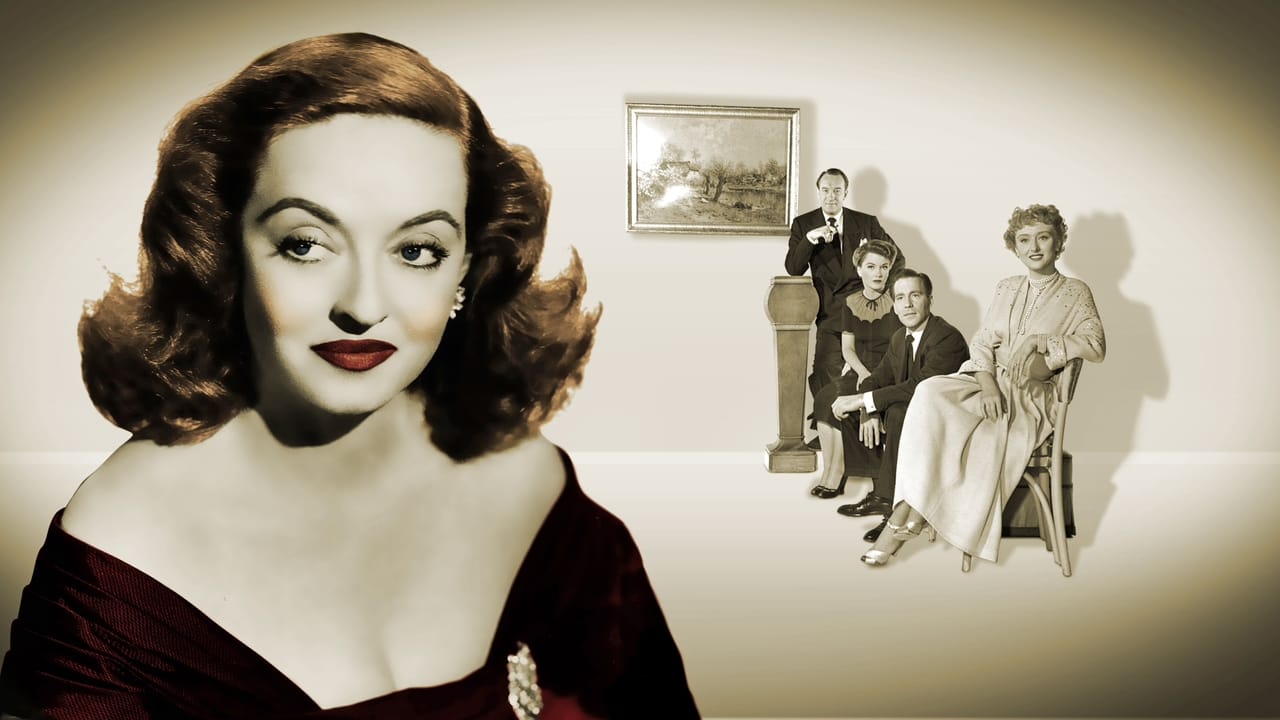
Film
group
Drama

What is the Theater?

from All About Eve

Written by Joseph L. Mankiewicz

All About Eve

While waiting for Margo Channing, Eve questions Bill about his decision to leave the New York theater scene for Hollywood. Bill delivers a passionate defense of the universal nature of performance, dismissing Eve's elitist views on what constitutes 'real' theater.

Start a free 7-day trial — 5 downloads a day, unlimited when Pro begins

Rehearse this scene
Rehearse on your terms

Choose your role and voices for the other characters. Run the scene at your own pace.

Scene PreviewExcerpt — subscribe to read full scene

EVE

You said forty-seven minutes. You'll never make it.

BILL

I told you a lie. We'll make it easily. Margo's got no more conception of time than a halibut.

EVE

So you're going to Hollywood.

BILL

Why what?

EVE

Why you have to go out there.
End of preview. Continue with Pro below.

7 days freeYour next rehearsal starts here

Found your next scene? Make it yours.

Start your free trial and read What is the Theater? in full, with access to 3,000+ monologues and scenes to explore next.

  • Read the full scene and explore the library
  • Download your script in a clean, printable format
  • Take it into rehearsal with the Script Reader
Casting Types
Get Feedback
Coming Soon

Want expert coaching on this scene?

Browse our curated list of acting coaches, dialect specialists, and more.

Find a Coach

Need representation?

Browse verified agents and casting directors in our directory.

Scene Notes & Audition Tips

5 sections
About This Scene

This compelling two-minute group scene, "What is the Theater?", features Eve and Bill, two characters whose perspectives on the performing arts clash dramatically. Set in Margo Channing's dressing room, the dialogue unfolds as Eve subtly interrogates Bill about his planned departure from the New York theater scene for Hollywood. Bill, in turn, delivers a powerful and passionate monologue defending a broad, inclusive definition of what constitutes "theater," challenging Eve's seemingly elitist viewpoint. This scene is a masterclass in intellectual sparring, revealing deeper character motivations through differing ideologies.

Character Analysis

Eve, within this exchange, exhibits a subtly manipulative and probing nature, cloaked in an innocent curiosity. She represents a viewpoint that highly values the traditional, perhaps even exclusive, world of New York theater, finding Hollywood seemingly beneath true artists. Bill, on the other hand, embodies a more expansive, democratic vision of performance, fueled by an internal desire to create without limitations. He is charming, sophisticated, and intense, confidently dismissing Eve's narrow perspective with an almost professorial authority while still maintaining a playful edge.

Why This Works for Auditions

This scene is fantastic for auditions due to its immediate conflict and the clear, powerful arc of Bill's monologue. It allows both actors to showcase their ability to deliver sustained arguments, nuanced emotional reactions, and strong character choices within a short timeframe. The contrast between Eve's subtle prodding and Bill's passionate defense provides excellent opportunities for dynamic interplay, making it suitable for both drama school auditions and agent showcases where showing range and active listening is crucial. The modern-classic tone also appeals to a broad range of casting types.

Best Suited For

This scene is particularly well-suited for actors in the 25-35 age range looking to portray sophisticated, intense, or charming leading prototypes. It's excellent for those wanting to demonstrate strong verbal delivery, intellectual prowess, and an ability to hold the stage. Actors aiming for roles that require a compelling presence, quick wit, and the capacity to articulate complex ideas will find this material highly effective. It is ideal for self-tapes and general practice, allowing actors to refine their command over powerful, well-crafted dialogue.

Performance Tips

For Bill, focus on building the intensity gradually, escalating from dismissive humor to a passionate, almost sermon-like, defense of his worldview. Ensure you embody the confidence and charm of a "Leading Man," making eye contact and using gestures to underscore your points. For Eve, the key is active listening and subtle reactions; your power comes from your stillness and the understated manipulation of your questions. Conveying your character's ambition and perhaps a touch of disdain through subtext will be crucial, even as you appear to merely be "wondering."

Explore this topic