Film
monologue
Drama

What the Theater Is

from All About Eve

Written by Joseph L. Mankiewicz

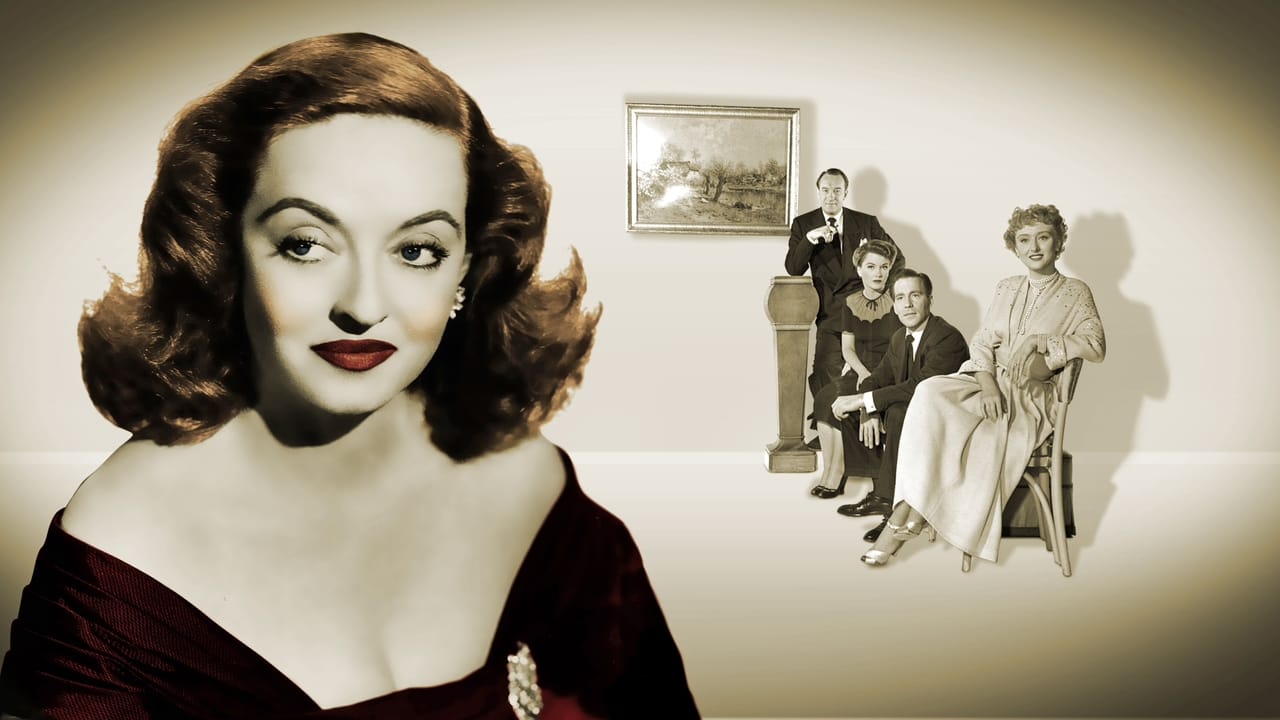
All About Eve

Bill delivers a passionate defense of the theater, arguing that it encompasses all forms of performance and magic beyond the confines of Broadway.

Start a free 7-day trial — 5 downloads a day, unlimited when Pro begins

Rehearse on your terms

Take this monologue into rehearsal and work through it at your own pace.

Scene PreviewExcerpt — subscribe to read full scene

BILL

The Theatuh, the Theatuh- - what book of rules says the Theater exists only within some ugly buildings crowded into one square mile of New York City? Or London, Paris or Vienna? Listen, junior. And learn. Want to know what the Theater is? A flea circus. Also opera. Also rodeos, carnivals, ballets, Indian tribal dances, Punch and Judy, a one-man band…

End of preview. Continue with Pro below.

7 days freeYour next rehearsal starts here

Found your next scene? Make it yours.

Start your free trial and read What the Theater Is in full, with access to 3,000+ monologues and scenes to explore next.

  • Read the full scene and explore the library
  • Download your script in a clean, printable format
  • Take it into rehearsal with the Script Reader
Casting Types
Get Feedback
Coming Soon

Want expert coaching on this scene?

Browse our curated list of acting coaches, dialect specialists, and more.

Find a Coach

Need representation?

Browse verified agents and casting directors in our directory.

Scene Notes & Audition Tips

5 sections
About This Scene

This powerful monologue from the classic film *All About Eve* features the character Bill, a seasoned theater professional, delivering a passionate and expansive definition of what "the theater" truly is. He challenges the narrow-minded view that limits performance to specific venues or styles, arguing instead for a universal understanding of art, magic, and storytelling. This piece offers an actor the opportunity to explore themes of passion, artistic defense, and a deep, personal connection to the world of live performance.

Character Analysis

Bill is presented as a knowledgeable, slightly jaded but ultimately deeply passionate authority figure. He's speaking to someone he perceives as less experienced, perhaps even naive, aiming to educate and broaden their perspective. His tone shifts from dismissive exasperation to fervent conviction, revealing a man who has seen it all but still believes in the fundamental magic of performance, regardless of its form or setting. Actors should consider his underlying commitment to the craft and his desire to impart wisdom, even if his delivery is somewhat blunt.

Why This Works for Auditions

"What the Theater Is" offers an exceptional vehicle for a male actor in the 25-35 age range to showcase depth, intelligence, and intensity. The monologue is well-structured, allowing for a clear emotional arc from exasperation to profound conviction. Its duration, between one and two minutes, is ideal for most audition settings, providing ample time to build a compelling performance without overstaying its welcome. Furthermore, the universal themes of art and passion resonate strongly, making it relatable for casting directors and industry professionals.

Best Suited For

This monologue is perfectly suited for drama school auditions, agent showcases, and self-tapes where an actor aims to demonstrate a command of language and a capacity for nuanced, passionate delivery. Its authoritative yet accessible tone makes it ideal for actors aiming for leading man roles, characters with intense intellectual or emotional conviction, or those who project a sophisticated gravitas. It also works very well for general practice, allowing actors to hone their monologue skills.

Performance Tips

When approaching "What the Theater Is," focus on Bill's journey from correcting a misconception to passionately articulating his own artistic philosophy. Allow the language to breathe, finding the rhythm in Joseph L. Mankiewicz's carefully crafted dialogue. Consider the "junior" to whom Bill is speaking; while they are not present, their implied presence informs Bill's intensity and the directness of his address. Ground Bill's extensive list of examples in genuine belief, ensuring each item mentioned contributes to his overarching argument about the boundless nature of theater.

Explore this topic