Skip to content
    Film
    duologue
    Comedy-Drama

    Max and Miss Cross - The Library Book

    from Rushmore

    Written by Wes Anderson, Owen Wilson

    Rushmore

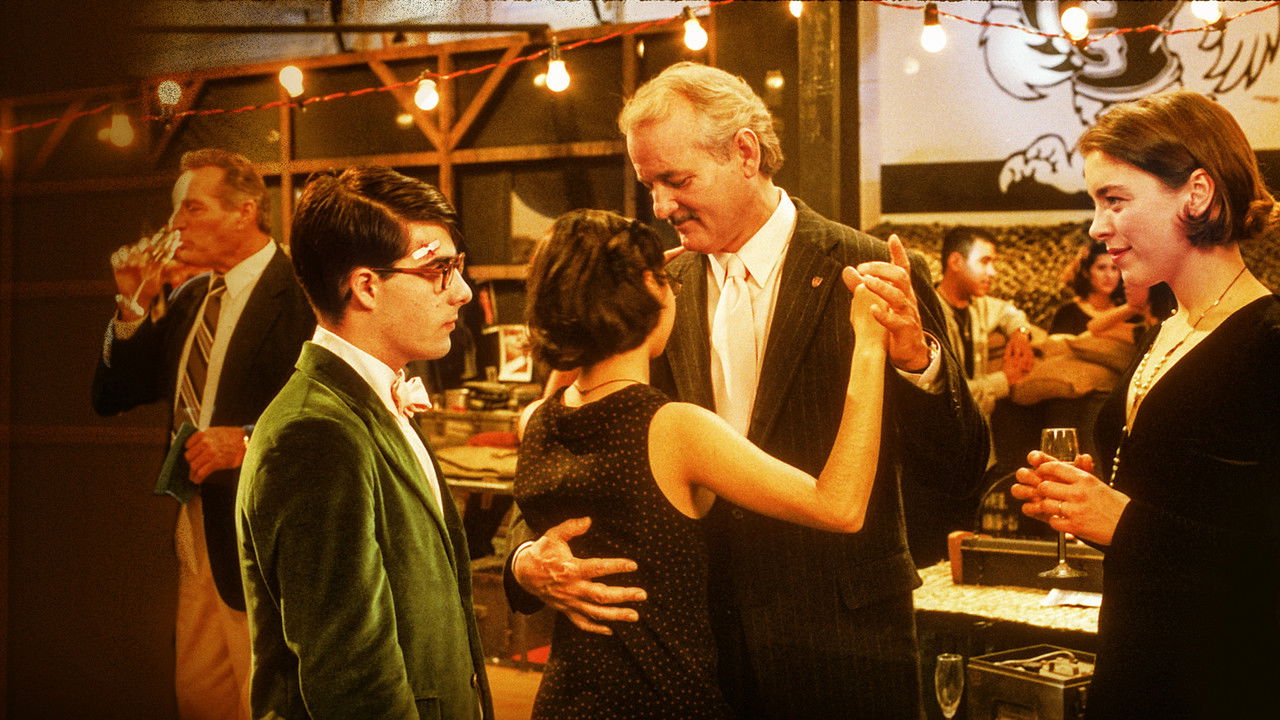
    Max confronts Miss Cross about a library book inscription, leading to a vulnerable revelation about her late husband and his legacy at Rushmore.

    Start a free 7-day trial — 5 downloads a day, unlimited when Pro begins

    Rehearse this scene
    Rehearse on your terms

    Choose your role and voices for the other characters. Run the scene at your own pace.

    Scene PreviewExcerpt — subscribe to read full scene

    MAX

    By the way, what time does the library close? I got an overdue book to turn in.

    MAX

    That's your handwriting, isn't it?

    MAX

    Not bad. Except it's probably bad form for a teacher to write in a library book.

    MISS CROSS

    It wasn't a library book when I wrote in it.

    MAX

    What do you mean?

    End of preview. Continue with Pro below.

    7 days freeYour next rehearsal starts here

    Found your next scene? Make it yours.

    Start your free trial and read Max and Miss Cross - The Library Book in full, with access to 5,500+ monologues and scenes to explore next.

    • Read the full scene and explore the library
    • Download your script in a clean, printable format
    • Take it into rehearsal with the Script Reader
    Casting Types
    Get Feedback
    Coming Soon

    Want expert coaching on this scene?

    Browse our curated list of acting coaches, dialect specialists, and more.

    Find a Coach

    Need representation?

    Browse verified agents and casting directors in our directory.

    Scene Notes & Audition Tips

    5 sections
    About This Scene

    This intriguing duologue from *Rushmore* offers a nuanced encounter between the precocious Max and the empathetic Miss Cross. The scene begins with Max confronting Miss Cross about a library book inscription, quickly unraveling into a heartfelt revelation. What starts as a seemingly simple exchange about an overdue book transforms into a poignant moment where Miss Cross shares a vulnerable personal history tied to the school's legacy.

    Character Analysis

    Max is a complex, hyper-intelligent, and intensely driven 15-year-old, often characterized by his elaborate schemes and overconfidence, yet capable of surprising sensitivity. Here, his initial bravado gives way to curiosity and a rare moment of connection. Miss Cross, in her 30s, presents as composed and perhaps a bit reserved, but underneath lies a profound grief and a deep connection to the institution of Rushmore. She reveals a tender side when discussing her late husband, showing an unexpected vulnerability to Max.

    Why This Works for Auditions

    This scene is excellent for auditions because it demands a subtle yet impactful performance from both actors, showcasing a range of emotional dynamics within a short timeframe. It allows actors to demonstrate an ability to play subtext, shifting from initial confrontation to a moment of shared intimacy and understanding. The quirky tone, combined with the underlying emotional depth, provides a unique opportunity to stand out in a casting room.

    Best Suited For

    This duologue is perfectly suited for actors under 18 portraying Max, and actors in their 30s playing Miss Cross. It is particularly effective for those looking to showcase a "Nerd," "Outsider," or "Vulnerable" type, while Miss Cross can highlight a "Leading Lady" with emotional depth. The scene's blend of comedy-drama makes it ideal for drama school auditions, agent showcases, or creating a compelling self-tape that demonstrates versatility.

    Performance Tips

    When approaching this scene, focus on the power dynamics and how they shift between Max and Miss Cross. For Max, explore the transition from his characteristic assertiveness to genuine curiosity and a budding empathy. For Miss Cross, find the balance between her professional demeanor and the raw, understated grief that emerges when she speaks of her husband. Pay close attention to the pauses and unspoken emotions; these moments are crucial for conveying the scene's depth and the characters' inner lives.

    No ratings yet
    Sign in to rate