Skip to content
    Film
    duologue
    Comedy-Drama

    Richie's Confession to Margot

    from The Royal Tenenbaums

    Written by Wes Anderson, Owen Wilson

    The Royal Tenenbaums

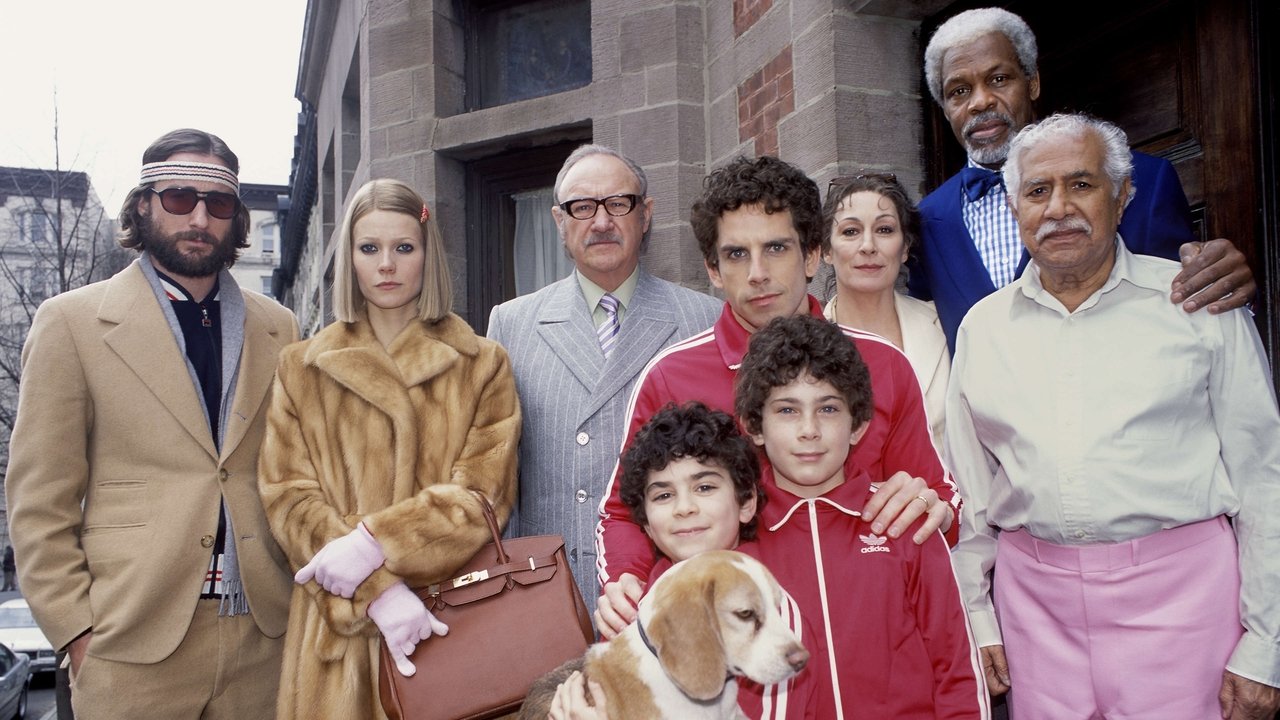
    Following his suicide attempt, Richie returns home to find his adopted sister Margot hiding in his childhood tent. They confront their long-repressed romantic feelings for one another and grapple with the damage their eccentric upbringing has caused them. Ultimately, they agree to remain 'secretly in love' while acknowledging the impossibility of a normal relationship.

    Start a free 7-day trial — 5 downloads a day, unlimited when Pro begins

    Rehearse this scene
    Rehearse on your terms

    Choose your role and voices for the other characters. Run the scene at your own pace.

    Scene PreviewExcerpt — subscribe to read full scene

    RICHIE

    What are you doing in my tent?

    MARGOT

    Just listening to some records. I thought you were supposed to be in the hospital.

    RICHIE

    I checked myself out.

    MARGOT

    Well, shouldn't you be on some kind of suicide watch or something?

    RICHIE

    Probably.

    End of preview. Continue with Pro below.

    7 days freeYour next rehearsal starts here

    Found your next scene? Make it yours.

    Start your free trial and read Richie's Confession to Margot in full, with access to 5,500+ monologues and scenes to explore next.

    • Read the full scene and explore the library
    • Download your script in a clean, printable format
    • Take it into rehearsal with the Script Reader
    Casting Types
    Get Feedback
    Coming Soon

    Want expert coaching on this scene?

    Browse our curated list of acting coaches, dialect specialists, and more.

    Find a Coach

    Need representation?

    Browse verified agents and casting directors in our directory.

    Scene Notes & Audition Tips

    5 sections
    About This Scene

    Following his suicide attempt, Richie returns home to discover his adopted sister, Margot, hiding inside his childhood tent. In this deeply intimate reunion, the pair confront their long-repressed romantic feelings for each other while addressing the trauma and damage wrought by their eccentric upbringing. The quiet encounter balances deep melancholy with delicate vulnerability as they grapple with the impossibility of a conventional future together.

    Character Analysis

    Richie is fragile, raw, and completely exposed after leaving the hospital, carrying emotional and physical wounds that he can no longer conceal. He communicates with a quiet tenderness, stripped of pretense and desperate to finally release the truth about his feelings. Margot is guarded yet compassionate, masking her own emotional weariness behind soft, detached observations before allowing her affection to break through. Both characters share a history of upper-class isolation that bonds them in shared melancholy and profound understanding.

    Why This Works for Auditions

    This scene offers an exceptional showcase of restraint and emotional subtext, demanding that actors communicate intense stakes through stillness rather than theatrical outbursts. Casting panels can clearly evaluate a performer's listening ability, emotional availability, and control within an intimate, stylized atmosphere. It provides two equally weighted roles that challenge actors to balance dry comedy with genuine heartbreak without ever slipping into melodrama.

    Best Suited For

    This contemporary piece is ideally suited for drama school auditions, agent showcases, self-tape submissions, and advanced partner practice. Performers playing in the twenty-five to thirty-five age range who align with casting types such as romantic lead, vulnerable outsider, or quirky intellectual will find it particularly rewarding. It is especially effective for demonstrating subtlety and emotional nuance in close-up camera work.

    Performance Tips

    Resist the urge to push for high tragedy and instead let the quiet intimacy of the space ground your delivery. Focus on the pauses, breaths, and physical stillness between your words, allowing the unspoken history between these characters to carry the weight. Avoid playing the deadpan style purely for comedy, as the unique tone functions best when treated with earnestness and deep sincerity. Maintain a physical and emotional connection that feels both intensely familiar and gently hesitant.

    No ratings yet
    Sign in to rate