Film
duologue
Comedy

MEGAN and ANNIE — How many did you take?...

from Bridesmaids

Written by Annie Mumolo, Kristen Wiig

Bridesmaids

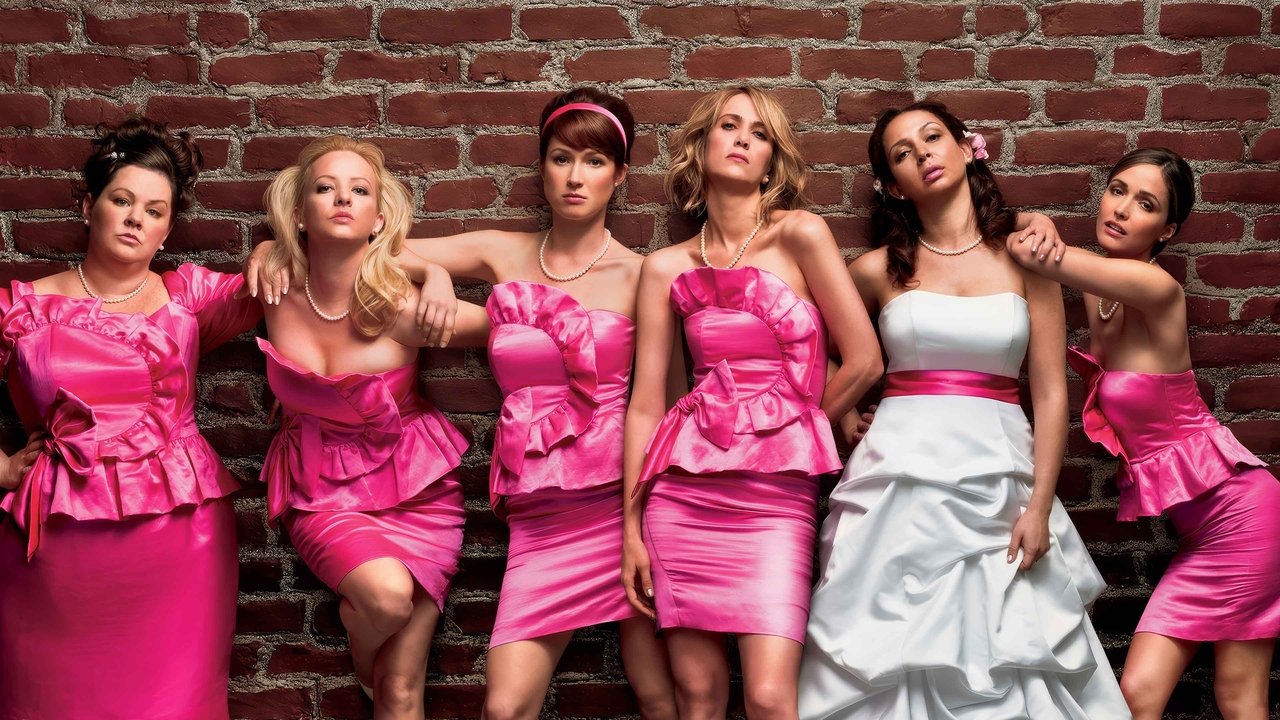
Megan confronts a depressed Annie about her self-pitying attitude after Annie loses her job and apartment. Through a series of physical provocations and a bizarre personal story about high school bullying, Megan pushes Annie to fight back and realize she still has friends who care about her.

Start a free 7-day trial — 5 downloads a day, unlimited when Pro begins

Rehearse this scene
Rehearse on your terms

Choose your role and voices for the other characters. Run the scene at your own pace.

Scene PreviewExcerpt — subscribe to read full scene

MEGAN

Heel. Heel.

ANNIE

How many did you take?

MEGAN

Oh. Uh, I took nine. I overcommitted with this whole dog thing. I’d probably be more comfortable with six. It’s a lot of energy to deal with. But you wouldn't know that because you haven't been returning my calls.

End of preview. Continue with Pro below.

7 days freeYour next rehearsal starts here

Found your next scene? Make it yours.

Start your free trial and read MEGAN and ANNIE — How many did you take?... in full, with access to 3,500+ monologues and scenes to explore next.

  • Read the full scene and explore the library
  • Download your script in a clean, printable format
  • Take it into rehearsal with the Script Reader
Casting Types
Get Feedback
Coming Soon

Want expert coaching on this scene?

Browse our curated list of acting coaches, dialect specialists, and more.

Find a Coach

Need representation?

Browse verified agents and casting directors in our directory.

Scene Notes & Audition Tips

5 sections
About This Scene

This duologue from the film *Bridesmaids* features a pivotal confrontation between Megan and Annie, offering a powerful blend of humor and emotional depth. Megan, concerned by Annie's self-pity and withdrawal, takes an unconventional approach to motivate her friend. The scene masterfully blends comedic tension with genuine emotional stakes, as Megan pushes Annie past her breaking point with physical provocation and a revealing personal story.

Character Analysis

Annie, initially presented as depressed and withdrawn, is struggling with significant life setbacks, including job loss and eviction, which have led to a deep sense of isolation and helplessness. Megan, on the other hand, is a fiercely loyal and unconventional friend, driven by a profound desire to help Annie reclaim her agency and spirit. Her tough love approach, while outwardly bizarre and aggressive, stems from a place of deep affection and understanding, revealing her own past vulnerabilities later in the scene.

Why This Works for Auditions

This scene is excellent for auditions because it provides substantial character arcs and emotional shifts for both actors. The dialogue is sharp, witty, and grounded in relatable friendship dynamics, allowing for strong comedic timing alongside genuine emotional vulnerability. The opportunity for physical comedy, particularly for the actor playing Megan, adds a unique and memorable dimension to the performance, showcasing versatility in both physical and verbal expression.

Best Suited For

This scene is ideal for actors in the 25-35 age range who excel at combining comedic timing with emotional gravitas. It's particularly well-suited for performers cast as "Best Friend" or "Character Actor" types who can embrace the quirky yet heartfelt nature of Megan, or the "Leading Lady" who can realistically portray Annie's journey from despair to renewed fighting spirit. It’s a fantastic choice for showcasing range in both comedy and vulnerability.

Performance Tips

When tackling this scene, actors should focus on the underlying friendship and care that drives Megan's actions, even amidst her outlandish behavior. For Annie, explore the gradual build-up of frustration and the moment of catharsis, allowing her initial passivity to transform into a powerful outburst. Pay close attention to the rhythm and pace of the dialogue, as well as the dynamic physicality described in the stage directions, using these elements to heighten the comedic tension and emotional stakes throughout the scene.

Explore this topic