
Film
duologue
Drama

Mozart's Financial Desperation

from Amadeus

Written by Peter Shaffer

Amadeus

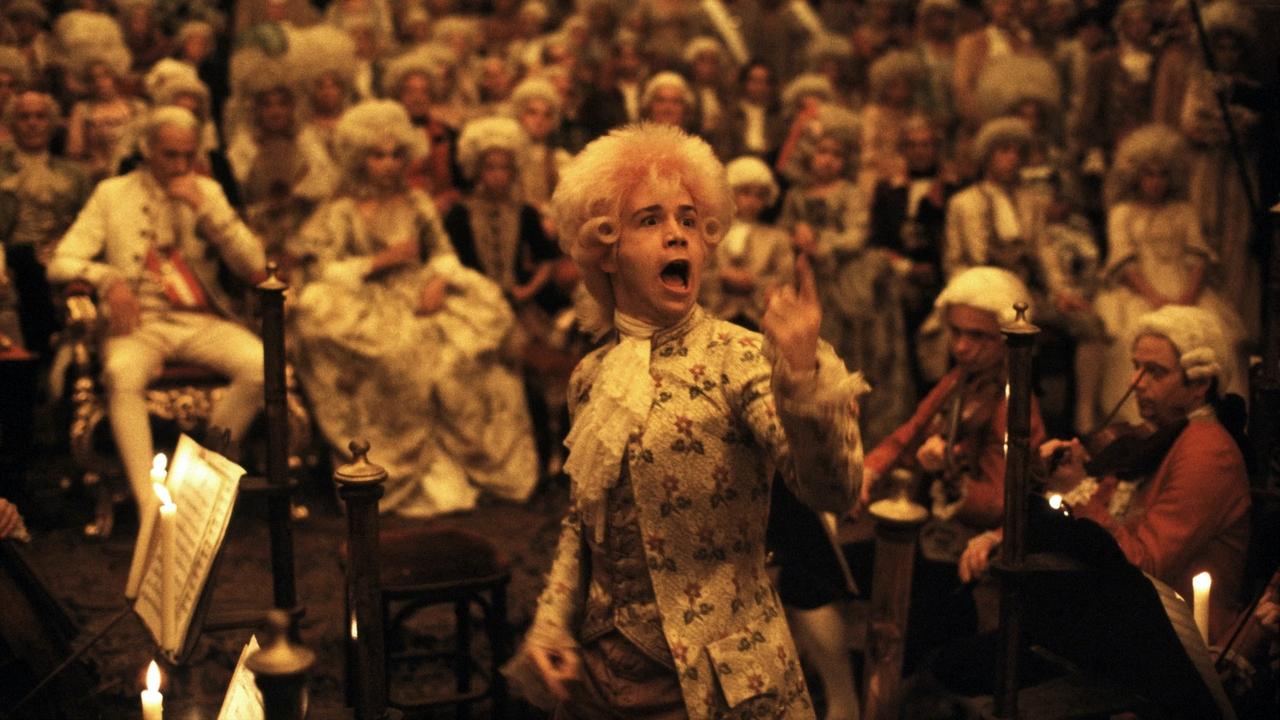
Mozart desperately pleads with Salieri for a teaching post or a loan, unaware that his rival is actively sabotaging his career.

Start a free 7-day trial — 5 downloads a day, unlimited when Pro begins

Rehearse this scene
Rehearse on your terms

Choose your role and voices for the other characters. Run the scene at your own pace.

Scene PreviewExcerpt — subscribe to read full scene

SALIERI

Herr Mozart, what brings you here?

MOZART

Your Excellency, you requested some specimens of my work. Here they are. I don't have to tell you how much I need your help. I truly appreciate your looking at these. I have pressures on me - financial pressures. As you know, I'm a married man now.

SALIERI

So you are. How is your pretty wife?

End of preview. Continue with Pro below.

7 days freeYour next rehearsal starts here

Found your next scene? Make it yours.

Start your free trial and read Mozart's Financial Desperation in full, with access to 5,500+ monologues and scenes to explore next.

  • Read the full scene and explore the library
  • Download your script in a clean, printable format
  • Take it into rehearsal with the Script Reader
Casting Types
Get Feedback
Coming Soon

Want expert coaching on this scene?

Browse our curated list of acting coaches, dialect specialists, and more.

Find a Coach

Need representation?

Browse verified agents and casting directors in our directory.

Scene Notes & Audition Tips

5 sections
About This Scene

This intense duologue from the film *Amadeus* captures a pivotal moment between Mozart and Salieri, set in 18th-century Vienna. Mozart, in dire financial straits, pleads with Salieri for assistance in securing a teaching position or a much-needed loan. Unbeknownst to Mozart, Salieri, consumed by professional jealousy, actively undermines his rival's career. This makes the encounter a masterclass in dramatic irony and simmering tension, highlighting Mozart's youthful vulnerability against Salieri's calculated sabotage.

Character Analysis

Mozart, in his late 20s, is presented as immensely talented but burdened by financial pressures and the imminent arrival of a child. He is vulnerable, proud, yet humbled enough to seek help from a man he respects, utterly unaware of Salieri's true intentions. Salieri, in his 30s, embodies the calculating rival, outwardly benevolent but inwardly seething with envy. His dialogue is measured and seemingly sympathetic, yet each line is a carefully crafted move in his scheme to dismantle Mozart's life and career. This scene showcases Salieri's cold manipulation and Mozart's tragic blindness.

Why This Works for Auditions

This duologue is an exceptional choice for auditions due to its rich emotional subtext and the clear, contrasting objectives of both characters. It provides ample opportunity for actors to display a wide range of emotions, from Mozart's urgent desperation and burgeoning hope to Salieri's feigned concern and underlying malice. The scene’s contemporary period allows for a naturalistic performance style while still demanding precision in character development. Its intense tone and dramatic stakes ensure actors can deliver a powerful, memorable performance, demonstrating their ability to navigate complex relationships and high-pressure situations.

Best Suited For

This scene is highly suitable for male actors aged 25-35, particularly those auditioning for leading man or character actor roles requiring nuanced portrayal of intensity and vulnerability. It is an excellent selection for drama school auditions, agent showcases, and self-tapes where actors need to highlight their dramatic range. Specifically, actors who excel at portraying characters with internal conflict, whether Mozart's desperate need or Salieri's villainous cunning, will find this piece particularly effective. It allows both performers to delve into deep emotional reservoirs and showcase their capacity for complex character work.

Performance Tips

When approaching Mozart, focus on his genuine vulnerability and fluctuating hope and despair; his underlying innocence in the face of Salieri's deception is key. For Salieri, the challenge lies in playing layers of false compassion over simmering resentment, ensuring his manipulative intent is clear to the audience without being overtly revealed to Mozart. Pay close attention to the dialogue's pacing, allowing tension to build naturally. Utilize subtle physical gestures and vocal nuances to convey unspoken power dynamics and emotional undercurrents, ensuring every line serves the character's objective and the overall dramatic arc.

No ratings yet
Sign in to rate