Film
duologue
Drama

The Requiem Confrontation

from Amadeus

Written by Peter Shaffer

Amadeus

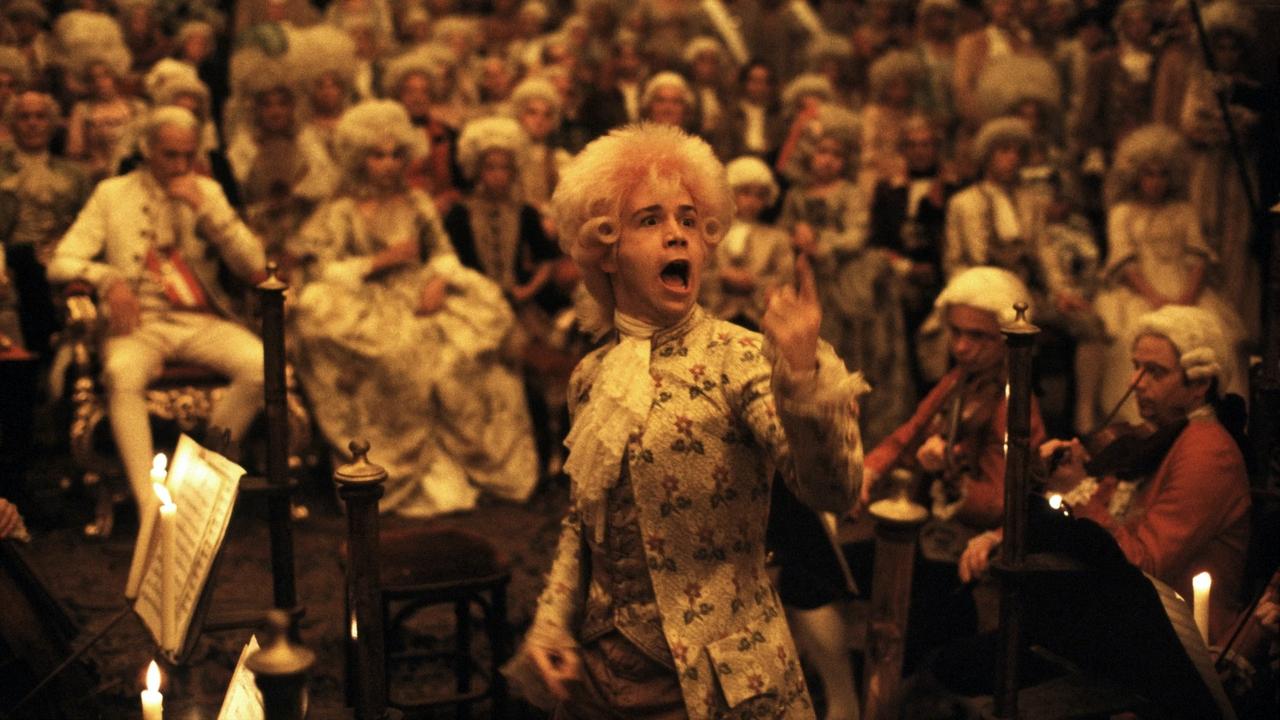
Constanze returns home to find Salieri assisting a dying Mozart with his Requiem, leading to a tense confrontation over her husband's health.

Start a free 7-day trial — 5 downloads a day, unlimited when Pro begins

Rehearse this scene
Rehearse on your terms

Choose your role and voices for the other characters. Run the scene at your own pace.

Scene PreviewExcerpt — subscribe to read full scene

CONSTANZE

What are you doing here?

SALIERI

Your husband is ill, ma'am. He took sick. I brought him home.

CONSTANZE

Why you?

SALIERI

I was at hand.

CONSTANZE

Well, thank you very much. You can go now.

End of preview. Continue with Pro below.

7 days freeYour next rehearsal starts here

Found your next scene? Make it yours.

Start your free trial and read The Requiem Confrontation in full, with access to 4,000+ monologues and scenes to explore next.

  • Read the full scene and explore the library
  • Download your script in a clean, printable format
  • Take it into rehearsal with the Script Reader
Casting Types
Get Feedback
Coming Soon

Want expert coaching on this scene?

Browse our curated list of acting coaches, dialect specialists, and more.

Find a Coach

Need representation?

Browse verified agents and casting directors in our directory.

Scene Notes & Audition Tips

5 sections
About This Scene

This powerful duologue, "The Requiem Confrontation" from the film *Amadeus*, captures a critical moment of high drama and emotional intensity. Constanze, Mozart’s wife, returns home to find her husband gravely ill and the ever-present Salieri assisting him with the demanding Requiem. The scene quickly escalates into a tense power struggle, highlighting Constanze’s fierce protectiveness and Salieri’s manipulative presence, all against the backdrop of Mozart's fading life. It offers a raw, emotional exploration of jealousy, obsession, and the desperate fight for control over a genius.

Character Analysis

Constanze is a complex character in this scene, driven by a deep love for Mozart and a desperate need to protect him from anything she perceives as a threat, including his own relentless work. Her initial anger and suspicion towards Salieri quickly shift to a tender, yet still commanding, concern for her husband's health. She embodies vulnerability, intensity, and a surprising strength as she confronts Salieri, ultimately asserting her will over the Requiem. Salieri, on the other hand, is the quintessential villain, outwardly helpful but inwardly obsessed and manipulative, his actions fueled by profound jealousy and a desire to control Mozart’s legacy even as the composer dies.

Why This Works for Auditions

This scene is an excellent choice for auditions because it provides rich emotional territory and a clear conflict for both actors. The quick shifts in Constanze's emotional state, from anger to tenderness to fierce determination, offer a fantastic showcase for an actor's range. For Salieri, the scene demands a nuanced portrayal of underlying malevolence beneath a veneer of concern, allowing an actor to explore subtle villainy. The dialogue is sharp, purposeful, and delivers a compelling dramatic arc within a short timeframe, making it ideal for a memorable two-minute self-tape or in-person audition.

Best Suited For

"The Requiem Confrontation" is particularly well-suited for actors aged 18-25 looking for intense dramatic material. It perfectly fits the "Leading Lady" and "Vulnerable" casting types for Constanze, allowing an actress to demonstrate both strength and deep emotional sensitivity. For Salieri, it's an excellent fit for "Villain" or "Intense" types, requiring an actor to convey cunning and obsession without resorting to overt melodrama. This scene is highly effective for drama school auditions, agent showcases, or any general practice where showing deep character work and sharp dramatic instincts is paramount.

Performance Tips

When approaching Constanze, lean into her protective instincts and the overwhelming fear driving her actions, allowing her love for Mozart to inform her ferocity. Pay close attention to her physical journey in the scene, from her entrance to embracing Mozart and then confronting Salieri, using these movements to punctuate her emotional beats. For Salieri, focus on the subtle power dynamics; his quiet manipulation and thinly veiled eagerness to control the Requiem should be chillingly understated. Ensure both characters are fully present and reactive to each other, allowing the inherent tension of their opposing desires to build naturally throughout the confrontation.

Explore this topic