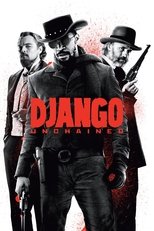
Naming the Horse — Django Unchained

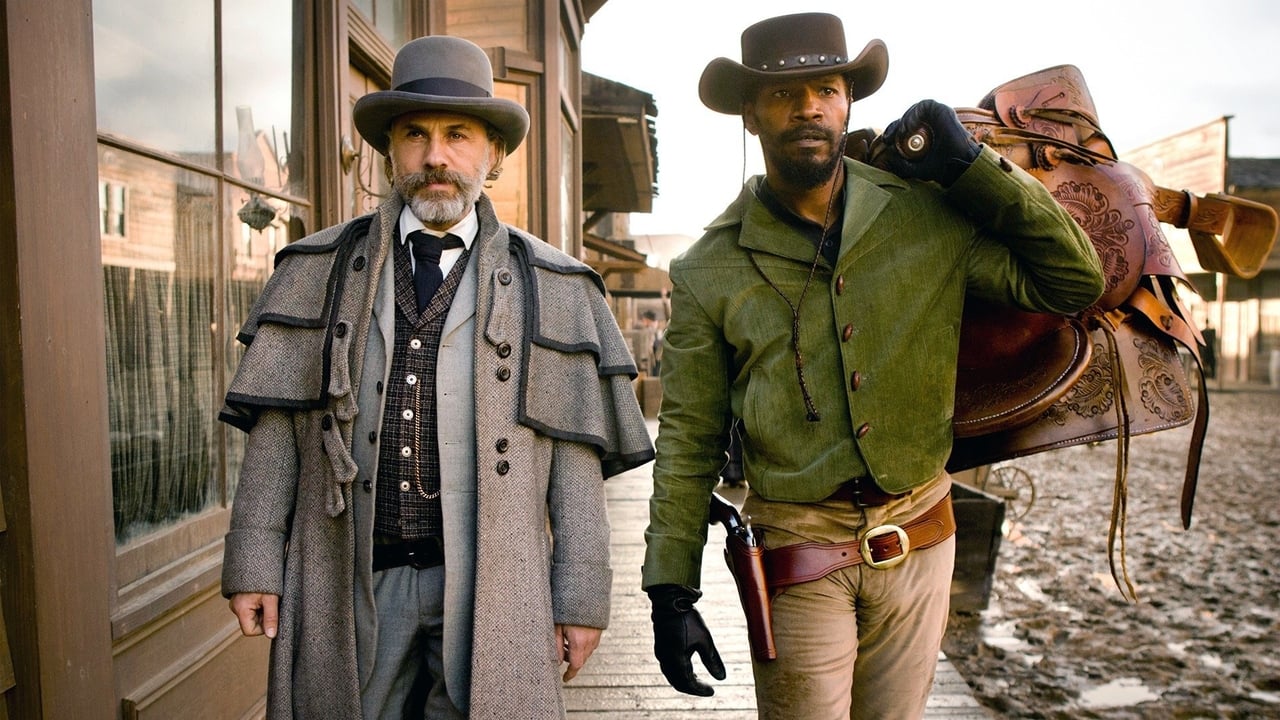
Dr. Schultz attempts to gift Django a horse, but Django is hesitant to accept the responsibility. The scene culminates in a humorous exchange as Dr. Schultz tries to get Django to name his new steed, revealing Django's practical and straightforward nature.

Dr.SCHULTZ: So, Django, what do you intend to name him?

DJANGO: Who?

Dr.SCHULTZ: Your horse?

DJANGO: What horse?

Format: Duologue · Genre: Comedy-Drama · Source: Django Unchained · Author: Quentin Tarantino · Characters: Dr.SCHULTZ, DJANGO

About This Scene

This comedic two-minute duologue, "Naming the Horse," extracted from the Oscar-winning film Django Unchained, offers a wonderfully character-driven exchange between Dr. Schultz and Django. The scene unfolds as Dr. Schultz attempts to generously gift Django a horse, only for Django to reveal a surprisingly practical and almost reluctant attitude toward horse ownership. Their conversation progresses with humorous timing and builds to a punchline centered around Django's straightforward naming convention for his new steed, highlighting a burgeoning friendship and contrasting personalities.

Character Analysis

Dr. Schultz, a character typically portrayed as refined and thoughtful, displays a charming mix of generosity, playful exasperation, and a touch of the eccentric in this scene. He tries to impart the romanticism of horse ownership, but his efforts are met with Django’s grounded, no-nonsense realism. Django, on the other hand, embodies a pragmatic, somewhat guarded individual whose past experiences have taught him to prioritize survival and necessity over sentimental gestures, at least initially. He is economical with his words and his humor stems from his blunt honesty and unexpected responses.

Why This Works for Auditions

This scene is exceptional for auditions because it provides clear character objectives and a strong character arc within a short timeframe. Actors can demonstrate excellent comedic timing, active listening, and the ability to play nuanced emotional shifts, from generosity and slight frustration to ultimately finding amusement. The dialogue is sharp, allowing for a dynamic back-and-forth that showcases an actor's ability to engage with another performer and maintain a natural, evolving rapport.

Best Suited For

This duologue is perfectly suited for male actors aged 35-45 looking for material that highlights both comedic and dramatic acting skills. It's particularly strong for actors aiming for "Leading Man," "Character Actor," "Mentor," or "Comedic" casting types. The scene's contemporary period, despite the Western setting, allows for broad interpretation in terms of an actor's personal style, and it's ideal for self-tapes, general practice, or drama school auditions where a strong two-person scene is required to show range and presence.

Performance Tips

When approaching this scene, Dr. Schultz should focus on the underlying warmth and genuine desire to help Django, even when frustrated. His attempts at a grand gesture are repeatedly deflated, creating comedic rhythm. Django's portrayal should lean into his quiet strength, practicality, and the subtle humor embedded in his straightforwardness; his reluctance isn't rudeness but a reflection of his priorities. Both actors should pay close attention to the rhythm of the dialogue, letting the pauses and reactions land effectively to maximize the comedic impact and showcase the evolving dynamic between the characters.