
Film
group
Dark Comedy

Osbourne's Dismissal

from Burn After Reading

Written by Joel Coen, Ethan Coen

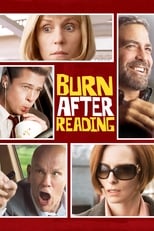
Burn After Reading

Osbourne Cox is called into a meeting where he is abruptly removed from the Balkans desk and demoted due to an alleged drinking problem. Feeling betrayed and insulted, Osbourne reacts with explosive indignation, accusing his superiors of political maneuvering and personal bias.

Start a free 7-day trial — 5 downloads a day, unlimited when Pro begins

Rehearse this scene
Rehearse on your terms

Choose your role and voices for the other characters. Run the scene at your own pace.

Scene PreviewExcerpt — subscribe to read full scene

PALMER

Ozzie. Sit down.

OSBOURNE

Palmer. What’s up.

PALMER

You know Peck, and Olson.

OSBOURNE

Peck, yes, hiya. Olson, by reputation. Hi, Osbourne Cox.

PALMER

Oz, look. There’s no easy way to say this. We’re taking you off the Balkans desk.
End of preview. Continue with Pro below.

7 days freeYour next rehearsal starts here

Found your next scene? Make it yours.

Start your free trial and read Osbourne's Dismissal in full, with access to 1,000+ monologues and scenes to explore next.

  • Read the full scene and explore the library
  • Download your script in a clean, printable format
  • Take it into rehearsal with the Script Reader
Casting Types
Get Feedback
Coming Soon

Want expert coaching on this scene?

Browse our curated list of acting coaches, dialect specialists, and more.

Find a Coach

Need representation?

Browse verified agents and casting directors in our directory.

Scene Notes & Audition Tips

5 sections
About This Scene

This dark comedy scene, "Osbourne's Dismissal," plunges Osbourne Cox into a humiliating workplace confrontation where he is abruptly fired from his intelligence agency role. The scene escalates from bewildered confusion to an explosive, indignant outburst as Osbourne processes the betrayal and perceived injustice of his superiors' actions. It offers a powerful exploration of professional identity, pride, and the often-absurd dynamics of corporate maneuvering.

Character Analysis

Osbourne is a man initially secure in his professional standing, though perhaps a little too comfortable, as evidenced by his casual demeanor at the start. His reaction to the firing is raw and deeply personal, revealing a fierce pride in his work and a deep sense of betrayal when accused of a drinking problem. He quickly shifts from shock to aggressive defensiveness, lashing out with accusations that expose his disdain for his colleagues. The other characters, Palmer, Peck, and Olson, represent the cold, detached corporate machine, serving as foils to Osbourne's emotional unraveling.

Why This Works for Auditions

"Osbourne's Dismissal" is an excellent audition piece due to its immediate conflict, clear character arcs, and the wide range of emotions Osbourne experiences in a short time. The scene provides ample opportunity to showcase an actor's ability to navigate shifts from confusion and professional composure to deep indignation, betrayal, and explosive anger. The dark comedic undertones allow for nuanced choices, preventing the intensity from becoming one-note and demonstrating an actor's grasp of complex material.

Best Suited For

This scene is ideally suited for male-identifying actors in their 40s to 50s who can convincingly portray an authority figure, an everyman pushed to his limits, or a business executive losing control. It's particularly effective for actors comfortable with intense, aggressive character work and those able to lean into the absurd humor of a humiliating situation. Casting types such as "Intense" or "Working Class" could also find strong material here, showcasing a grounded yet volatile performance.

Performance Tips

When approaching Osbourne, focus on building the emotional arc from his initial, slightly dismissive entrance to his final, explosive exit. Pay close attention to how the accusations of a drinking problem land on him; this is the fulcrum of his transformation. Don't be afraid to embrace the absurdity and dark humor within his outrage, allowing his anger to escalate organically rather than starting at maximum intensity. Understanding that his lashing out comes from a place of deep hurt and wounded pride will ground the performance and make his "outburst" feel earned and impactful.

Explore this topic