Film
duologue
comedy-drama

Pa's Final Advice to Buddy

from Belfast

Written by Kenneth Branagh

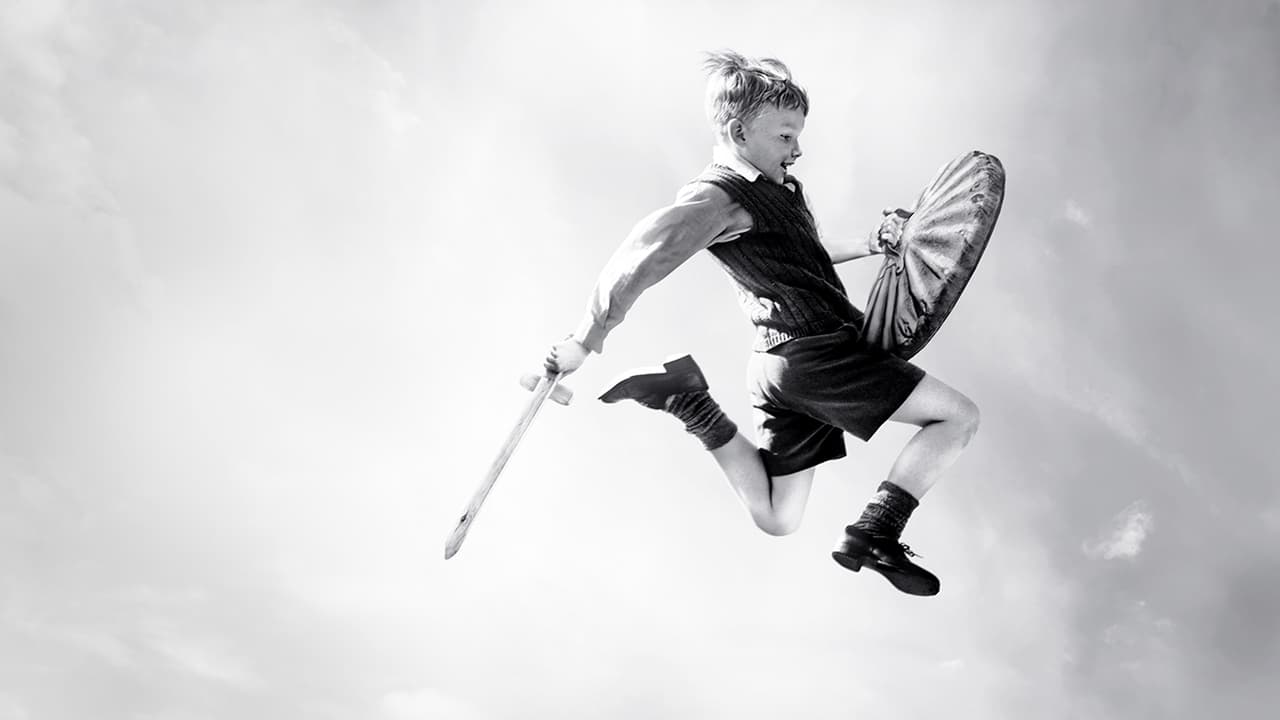
Belfast

A tender, wise, hopeful, humorous PA & BUDDY's duologue from "Belfast" by Kenneth Branagh.

Start a free 7-day trial — 5 downloads a day, unlimited when Pro begins

Rehearse this scene
Rehearse on your terms

Choose your role and voices for the other characters. Run the scene at your own pace.

Scene PreviewExcerpt — subscribe to read full scene

CATHERINE'S MOTHER

Hi Buddy.

BUDDY

Hello.

BUDDY

Thanks.

CATHERINE

Thanks.

BUDDY

I’ll come back.

End of preview. Continue with Pro below.

7 days freeYour next rehearsal starts here

Found your next scene? Make it yours.

Start your free trial and read Pa's Final Advice to Buddy in full, with access to 4,500+ monologues and scenes to explore next.

  • Read the full scene and explore the library
  • Download your script in a clean, printable format
  • Take it into rehearsal with the Script Reader
Casting Types
Get Feedback
Coming Soon

Want expert coaching on this scene?

Browse our curated list of acting coaches, dialect specialists, and more.

Find a Coach

Need representation?

Browse verified agents and casting directors in our directory.

Scene Notes & Audition Tips

5 sections
About This Scene

This poignant duologue from Kenneth Branagh's "Belfast" captures a tender, pivotal moment between a father (Pa) and his young son (Buddy). Set against a backdrop that hints at societal divisions, the scene showcases Pa imparting crucial life lessons about love, tolerance, and respect. It beautifully balances warmth and humor, offering a glimpse into a deep familial bond and the passing down of wisdom across generations. The exchange highlights the innocence of youth meeting the experience of a parent, all while underscoring universal themes of acceptance.

Character Analysis

Pa is presented here as the quintessential mentor and patriarch, embodying wisdom, warmth, and a pragmatic yet deeply moral outlook. He demonstrates remarkable open-mindedness and a loving commitment to his son's happiness above all else, challenging ingrained prejudices with straightforward kindness. Buddy, on the other hand, is a curious, impressionable young boy navigating his first feelings of affection and the complexities of the adult world as he perceives them. His direct questions reveal a child's honest attempt to understand societal norms, making him a relatable and endearing character.

Why This Works for Auditions

This scene is an excellent choice for auditions due to its immediate emotional impact and clear character dynamics. It offers both actors a rich opportunity to demonstrate vulnerability, sincerity, and range within a short timeframe. The dialogue is naturalistic and engaging, allowing performers to showcase strong listening skills and genuine connection. Furthermore, its blend of humor and heartfelt sincerity provides a chance to display versatility, making it memorable for casting directors.

Best Suited For

This scene is particularly well-suited for actors aiming to portray grounded, empathetic, and wise parental or mentor figures, especially those in the "Everyman" or "Charming" casting types. For younger actors, it's ideal for those who can convey innocence, curiosity, and burgeoning emotional understanding. Its themes of tolerance and love also make it perfect for performers who can embody warmth and a strong sense of moral integrity. The "any" gender recommendation means the core dynamics are adaptable, allowing for broader casting consideration.

Performance Tips

When approaching this scene, Pa should focus on conveying genuine warmth and an underlying sense of calm authority, ensuring his wisdom feels earned and not preachy. Utilize grounded physicality, perhaps kneeling to meet Buddy at eye level, to emphasize the intimate and protective nature of the advice. Buddy should lean into his youthful earnestness and curiosity, allowing his questions to feel genuinely pondered and his reactions to Pa’s words to be honest and immediate. Both actors should prioritize listening and reacting to each other, letting the tender connection between father and son drive the emotional core of the performance.

Explore this topic