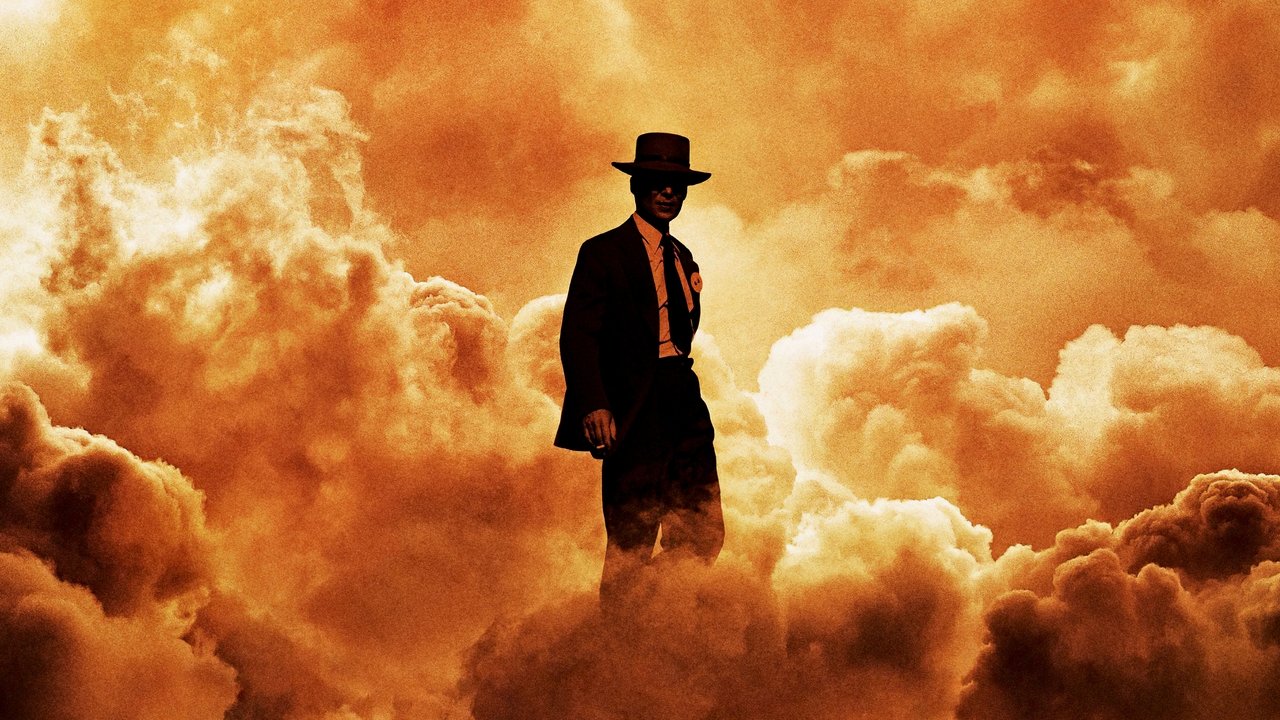

Film
group
Drama
Thriller

Recruiting the Project Director

from Oppenheimer

Written by Christopher Nolan

Oppenheimer

Colonel Groves interviews J. Robert Oppenheimer to lead the Manhattan Project, scrutinizing his controversial past and lack of a Nobel Prize. Oppenheimer argues that the only way to beat the Nazis is to consolidate America's scientific resources into one focused location, despite Groves' concerns about security.

Start a free 7-day trial — 5 downloads a day, unlimited when Pro begins

Rehearse this scene
Rehearse on your terms

Choose your role and voices for the other characters. Run the scene at your own pace.

Scene PreviewExcerpt — subscribe to read full scene

GROVES

Dr Oppenheimer. I’m Colonel Groves, this is Lieutenant Colonel Nichols.

GROVES

Get that dry-cleaned.

OPPENHEIMER

If that’s how you treat a lieutenant colonel, I’d hate to see how you treat a humble physicist.

GROVES

If I ever meet one I’ll let you know.

OPPENHEIMER

Ouch.

End of preview. Continue with Pro below.

7 days freeYour next rehearsal starts here

Found your next scene? Make it yours.

Start your free trial and read Recruiting the Project Director in full, with access to 3,000+ monologues and scenes to explore next.

  • Read the full scene and explore the library
  • Download your script in a clean, printable format
  • Take it into rehearsal with the Script Reader
Casting Types
Get Feedback
Coming Soon

Want expert coaching on this scene?

Browse our curated list of acting coaches, dialect specialists, and more.

Find a Coach

Need representation?

Browse verified agents and casting directors in our directory.

Scene Notes & Audition Tips

5 sections
About This Scene

This pivotal scene from *Oppenheimer* captures the intense initial encounter between Colonel Groves and J. Robert Oppenheimer, where Groves interviews the renowned physicist to lead the top-secret Manhattan Project. Set against the backdrop of World War II, the dialogue swiftly establishes the high stakes and the contrasting personalities of the two men. Groves, the pragmatic military leader, scrutinizes Oppenheimer's controversial past and intellectual reputation, while Oppenheimer, a complex and brilliant scientist, subtly challenges Groves's authority and rationale.

Character Analysis

Colonel Groves, portrayed here, is a sharp, no-nonsense authority figure with a keen intellect and a direct, almost confrontational communication style. He assesses Oppenheimer with a cynical eye, listing his perceived flaws and suspicions before acknowledging his brilliance. Oppenheimer, on the other hand, exhibits an intellectual bravado and a dry wit, maintaining his composure even under Groves's critical gaze. He subtly defends himself and turns the tables, questioning Groves's motives and demonstrating his profound understanding of the scientific and logistical challenges ahead.

Why This Works for Auditions

This scene offers exceptional material for auditions due to its high-stakes drama and nuanced character interaction. Actors can showcase their ability to convey intensity, intelligence, and subtle power dynamics through layered subtext and precise delivery. The dialogue provides ample opportunity for both characters to display quick thinking, verbal sparring, and deeply held convictions, making it ideal for demonstrating a sophisticated command of dramatic material and complex character portrayal. The dynamic shift and push-pull between the characters are particularly compelling.

Best Suited For

This scene is perfectly suited for male actors aged 35-45 looking to portray roles demanding gravitas, intellectual prowess, and a commanding presence. It particularly excels for those aiming for casting types such as an Authority Figure, Leading Man, or Intense Military/Scientist. Its suitability extends across drama-school auditions, agent showcases, and self-tapes, providing a robust platform to demonstrate dramatic range and the ability to handle rich, intelligent dialogue within a historical context.

Performance Tips

For Colonel Groves, focus on conveying an underlying sense of immense responsibility and a strategic mind, even when delivering sharp critiques. His directness should stem from efficiency, not necessarily malice. For Oppenheimer, lean into his intellectual confidence and slightly enigmatic quality; his wit should feel natural and effortless, a defense mechanism born from intelligence. Pay close attention to the rhythm of the dialogue, allowing the shifts in power and understanding to unfold naturally, building tension and revealing the characters' motivations with subtlety and precision.

Explore this topic