The Scientist's Regret — Oppenheimer

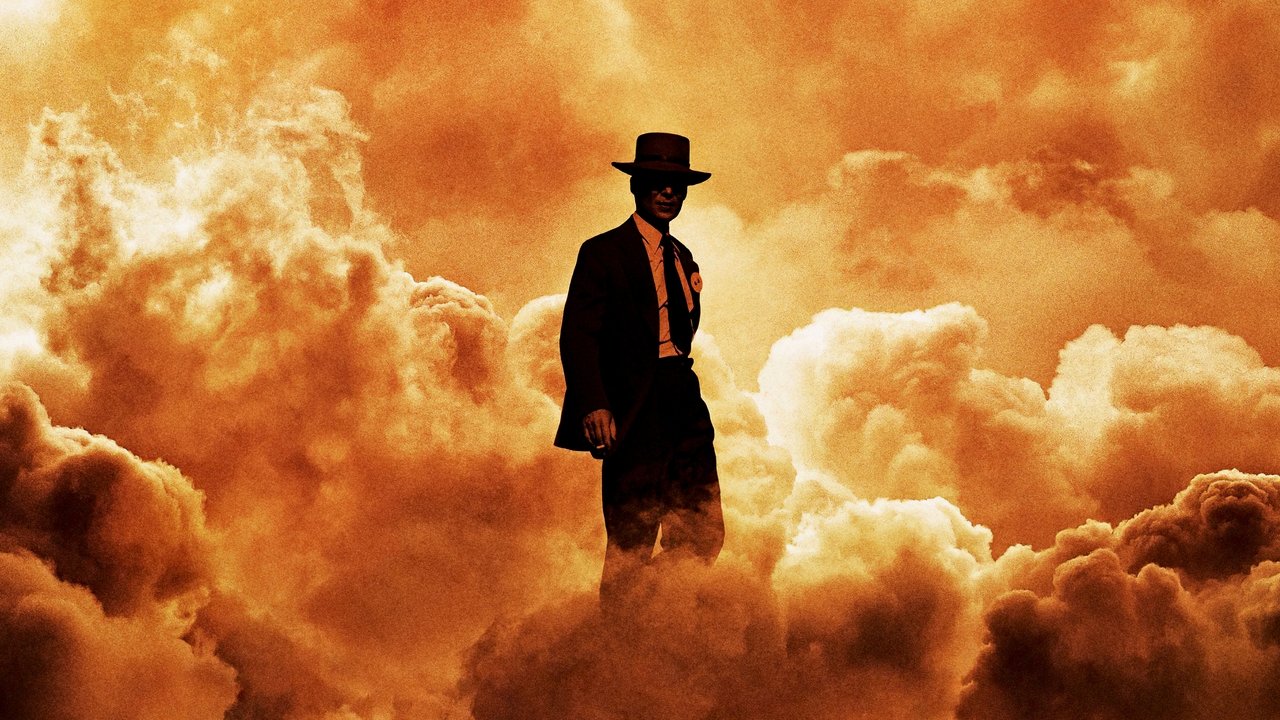
J. Robert Oppenheimer reflects on the moral and existential weight of creating the atomic bomb during a security hearing. He recounts the awe of the Trinity test and the haunting realization of the destructive power he unleashed upon the world.

J. ROBERT OPPENHEIMER: I remember the day. The Trinity test. The desert, before dawn. We were all there, a collection of the brightest minds, holding our breath. And then... the flash. Brighter than a thousand suns. The heat, the shockwave. It was magnificent. Terrifying. We had done it. We had harnessed the power of the stars. And in that moment, a part…

Format: Monologue · Genre: Biographical Drama · Source: Oppenheimer · Author: Christopher Nolan · Characters: J. Robert Oppenheimer

About This Scene

This powerful monologue from Oppenheimer offers a profound glimpse into the mind of J. Robert Oppenheimer as he grapples with the monumental consequences of his scientific breakthroughs. Set during a security hearing, the scene finds Oppenheimer reflecting on the Trinity test and the subsequent moral weight of creating the atomic bomb. It's a meditation on brilliance, destruction, and the indelible mark of human ingenuity.

Character Analysis

J. Robert Oppenheimer, as portrayed in this monologue, is a man of immense intellect burdened by profound regret. He is introspective and profound, wrestling with the duality of scientific achievement and its devastating real-world impact. While weary, there is an underlying current of resolve, suggesting a character who has come to terms with his past but remains deeply affected by it. He embodies the archetype of an authority figure whose vulnerability is exposed through the immense guilt he carries.

Why This Works for Auditions

This monologue is an excellent choice for auditions as it provides a substantial dramatic arc within a concise timeframe. It allows an actor to showcase a wide range of emotions, from the initial awe and perceived god-like power to the ultimate realization of devastating consequences and profound guilt. The intellectual depth and the emotional gravity of the material offer a robust opportunity for a nuanced and compelling performance.

Best Suited For

This monologue is particularly well-suited for male actors in their 50s to 70s who can portray a leading man quality combined with intense vulnerability and intellect. It is ideal for drama school auditions, agent showcases, or self-tapes where a profound biographical drama piece is required. Actors looking to demonstrate their ability to convey complex internal struggle and historical gravitas will find this scene highly effective.

Performance Tips

When approaching this monologue, focus on the inherent contrast between the initial exhilaration of scientific discovery and the subsequent crushing weight of moral responsibility. Allow the regret to simmer beneath the surface, occasionally breaking through with genuine emotion rather than constant outward display. Pay close attention to Oppenheimer's intellectual processing of his experience, letting the profound language guide your introspection and emotional journey.