Film
monologue
Drama

The Alarm Clock and Imperfections

from Good Will Hunting

Written by Matt Damon, Ben Affleck

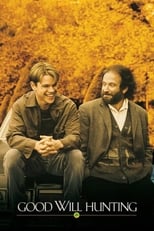
Good Will Hunting

Sean shares intimate, humorous memories of his late wife to teach Will that true intimacy comes from embracing each other's imperfections.

Start a free 7-day trial — 5 downloads a day, unlimited when Pro begins

Rehearse on your terms

Take this monologue into rehearsal and work through it at your own pace.

Scene PreviewExcerpt — subscribe to read full scene

SEAN

My wife used to turn the alarm clock off in her sleep. I was late for work all the time because in the middle of the night she'd roll over and turn the damn thing off. Eventually I got a second clock and put it under my side of the bed, but it got to where she was gettin' to that one too. She was afraid of the dark, so the closet light was on all…

End of preview. Continue with Pro below.

7 days freeYour next rehearsal starts here

Found your next scene? Make it yours.

Start your free trial and read The Alarm Clock and Imperfections in full, with access to 3,000+ monologues and scenes to explore next.

  • Read the full scene and explore the library
  • Download your script in a clean, printable format
  • Take it into rehearsal with the Script Reader
Casting Types
Get Feedback
Coming Soon

Want expert coaching on this scene?

Browse our curated list of acting coaches, dialect specialists, and more.

Find a Coach

Need representation?

Browse verified agents and casting directors in our directory.

Scene Notes & Audition Tips

5 sections
About This Scene

This powerful monologue features Sean, a mature and reflective character, sharing deeply personal anecdotes about his late wife. He recounts humorous and endearing memories of her quirks, such as turning off their alarm clocks in her sleep and her fear of the dark. Through these intimate recollections, Sean imparts profound wisdom to Will, illustrating that true connection and love are forged by embracing, rather than overlooking, each other's unique imperfections. The scene beautifully explores themes of vulnerability, grief, and the essence of genuine intimacy.

Character Analysis

Sean is presented here as a mentor figure, navigating his own grief while offering compassionate guidance. He is wise, grounded, and possesses a lived understanding of human connection. His character carries the weight of loss but expresses it with a tender, nostalgic warmth rather than bitterness. This monologue reveals his capacity for deep love, his acceptance of human flaws, and his desire to help others understand the nuances of relationships. Sean embodies an Everyman quality, making his wisdom relatable and deeply impactful.

Why This Works for Auditions

This monologue is exceptional for auditions because it showcases an actor's ability to convey complex emotions with subtlety and depth. It demands a performance that balances humor, vulnerability, and profound wisdom, offering a wide emotional range within a contained moment. The narrative style allows for natural shifts in pace and tone, demonstrating control and nuance. Directors and casting agents will appreciate an actor who can embody Sean's sincerity and warmth while delivering such an insightful message.

Best Suited For

This monologue is particularly well-suited for male actors in the 45-55 age range who can embody a mentor or authority figure with a compassionate, slightly world-weary disposition. It's an excellent choice for drama school auditions, agent showcases, and self-tapes where the goal is to highlight an actor's dramatic range and ability to connect with rich text. The themes of grief, marriage, and vulnerability make it suitable for actors portraying complex, grounded characters often found in dramatic roles.

Performance Tips

When approaching this monologue, focus on Sean's underlying warmth and the genuine love he still holds for his wife. Allow the humor in the anecdotes to surface naturally, as these moments are integral to conveying the depth of his affection and the poignancy of his loss. Emphasize the conversational, almost paternal tone he adopts when speaking to Will, making the advice feel earned and heartfelt. Pay attention to the subtle shifts in emotion, from nostalgic amusement to profound reflection, ensuring a dynamic and authentic portrayal.

Explore this topic