Film
monologue
Drama

The Park Bench Monologue

from Good Will Hunting

Written by Matt Damon, Ben Affleck

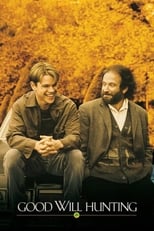
Good Will Hunting

Sean challenges Will's intellectual arrogance, arguing that book knowledge is no substitute for the vulnerability and pain of real-life experience.

Start a free 7-day trial — 5 downloads a day, unlimited when Pro begins

Rehearse on your terms

Take this monologue into rehearsal and work through it at your own pace.

Scene PreviewExcerpt — subscribe to read full scene

SEAN

You're just a boy. You don't have the faintest idea what you're talking about. WILL: Why thank you.

SEAN

You've never been out of Boston. WILL: No.
End of preview. Continue with Pro below.

7 days freeYour next rehearsal starts here

Found your next scene? Make it yours.

Start your free trial and read The Park Bench Monologue in full, with access to 3,000+ monologues and scenes to explore next.

  • Read the full scene and explore the library
  • Download your script in a clean, printable format
  • Take it into rehearsal with the Script Reader
Casting Types
Get Feedback
Coming Soon

Want expert coaching on this scene?

Browse our curated list of acting coaches, dialect specialists, and more.

Find a Coach

Need representation?

Browse verified agents and casting directors in our directory.

Scene Notes & Audition Tips

5 sections
About This Scene

This powerful dramatic monologue, delivered by Sean from the film *Good Will Hunting*, confronts intellectual arrogance with the raw truth of lived experience. Set in a contemporary period, the scene features Sean dismantling the theoretical knowledge of a younger man, Will, by highlighting his lack of true emotional and experiential understanding. Sean challenges the notion that book smarts can replace the vulnerability, pain, and profound love that define a full human life. The core of the scene revolves around the idea that real wisdom comes not from reading about the world, but from actively participating in its joys and sorrows.

Character Analysis

Sean is presented as a complex, seasoned man in his 40s or 50s, embodying the archetypes of Mentor, Authority Figure, and Everyman, with layers of intensity and vulnerability. He is deeply shaped by past grief and loss, which he channels into a passionate, sometimes aggressive, yet ultimately empathetic confrontation. His outward toughness masks a profound capacity for love and a deep understanding of human suffering, born from personal tragedy. This character is not just lecturing; he is actively sharing hard-won wisdom, driven by a desire to shake Will out of his self-imposed emotional isolation.

Why This Works for Auditions

This monologue is an exceptional choice for auditions because it showcases an actor's ability to convey a wide range of intense emotions and intellectual conviction. Its powerful tone and dramatic weight allow performers to demonstrate gravitas, vulnerability, and a commanding presence without relying on external props or excessive movement. The clear arc of Sean's argument, moving from intellectual challenge to deeply personal revelation, provides ample opportunity for dynamic vocal and emotional shifts, making it ideal for self-tapes, drama school auditions, and agent showcases where impactful character work is paramount.

Best Suited For

This scene is particularly well-suited for male actors in the 45-55 age range who can embody a character steeped in life experience and emotional depth. It's excellent for those looking to portray a mentor figure, someone with a powerful intellectual presence, or an everyman grappling with profound personal history. Actors who excel at conveying both intensity and underlying vulnerability, and who can handle sustained emotional sincerity, will find this a compelling piece. It is perfect for demonstrating an actor's command of drama and their ability to connect intellectually and emotionally with complex text.

Performance Tips

When approaching this monologue, focus on Sean's underlying grief and love as the true wellspring of his intensity, rather than solely on anger. Allow his words to build in emotional weight, starting with a challenging intellectual stance and gradually unveiling the deep personal pain that informs his worldview. Pay close attention to the rhythm and pacing of the dialogue, letting certain phrases land with profound conviction. Remember that Sean is speaking *to* someone, so maintaining a clear connection and intention towards an unseen scene partner is crucial for grounding the performance and preventing it from becoming a mere recitation.

Explore this topic