Film
group
Historical Drama, War

The Armistice Negotiation

from ALL QUIET ON THE WESTERN FRONT

Written by Ian Stokell, Lesley Paterson, Edward Berger

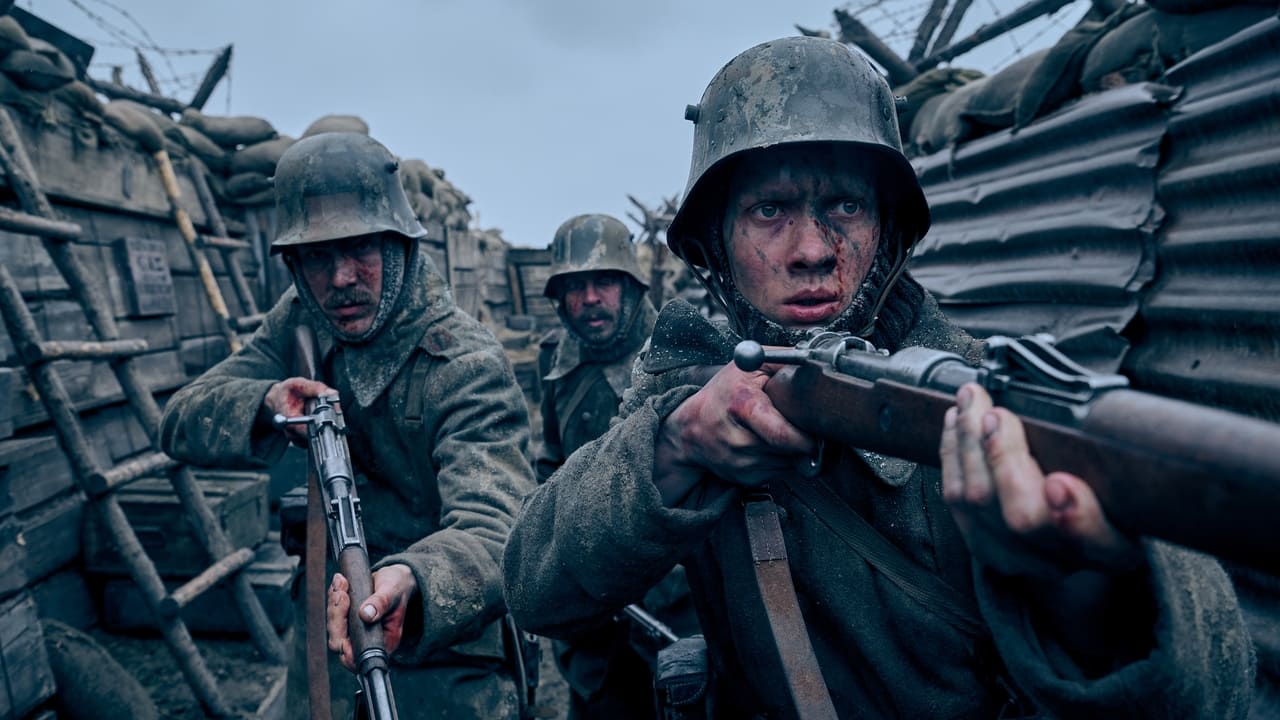
German delegates meet with Marshal Foch in a train car to negotiate an armistice to end World War I. Erzberger pleads for an immediate ceasefire on humanitarian grounds, but he is met with cold, bureaucratic resistance and a demand for total submission. The scene highlights the power imbalance and the desperate stakes of the ending conflict.

Start a free 7-day trial — 5 downloads a day, unlimited when Pro begins

Rehearse this scene
Rehearse on your terms

Choose your role and voices for the other characters. Run the scene at your own pace.

Scene PreviewExcerpt — subscribe to read full scene

ERZBERGER

I stand before you in the hope you will take our presence as an opportunity to suspend hostilities. In the name of humanity, I urge you to agree to an immediate ceasefire for the duration of our negotiations, to save our nations unnecessary losses. The bloodshed must end today... Matthias Erzberger, head of the German Armistice Commission.…

End of preview. Continue with Pro below.

7 days freeYour next rehearsal starts here

Found your next scene? Make it yours.

Start your free trial and read The Armistice Negotiation in full, with access to 1,000+ monologues and scenes to explore next.

  • Read the full scene and explore the library
  • Download your script in a clean, printable format
  • Take it into rehearsal with the Script Reader
Casting Types

Director's Notes

🎯 Character objectives🎭 Emotional beats💡 Audition tips
Unlock Director's Notes
Get Feedback
Coming Soon

Want expert coaching on this scene?

Browse our curated list of acting coaches, dialect specialists, and more.

Find a Coach

Need representation?

Browse verified agents and casting directors in our directory.

Scene Notes & Audition Tips

5 sections
About This Scene

This intense group scene, "The Armistice Negotiation," transports actors into the high-stakes environment of World War I's final moments. Set in a train car, it dramatizes the desperate plea from German delegates for an immediate ceasefire, contrasted with the unyielding stance of the Allied powers. The narrative expertly highlights a profound power imbalance and the crushing weight of bureaucratic resistance against humanitarian appeals, making it a compelling study in conflict and desperation.

Character Analysis

The scene features four male characters, Erzberger, Foch, Von Helldorf, and Major General Winterfeldt, all within the 40s-60s age range. Erzberger is the central figure, embodying a blend of diplomacy and profound desperation, driven by humanitarian concerns. Foch stands as the formidable, unyielding authority figure, representing an almost cold, calculated power. Von Helldorf acts as the crucial interpreter and a more reserved member of the German delegation, while Major General Winterfeldt completes the German contingent, likely sharing the weight of their precarious position.

Why This Works for Auditions

"The Armistice Negotiation" is an exceptional choice for auditions due to its rich dramatic tension and complex character dynamics. The scene provides ample opportunity for actors to showcase a range of emotions, from pleading sincerity to stoic authority and quiet frustration, all within a formal setting. Its historical context adds gravitas, allowing actors to project intelligence and depth, demonstrating their ability to handle weighty dialogue and nuanced interpersonal conflict under pressure.

Best Suited For

This scene is ideally suited for male actors in the 40s-60s age range who are looking to portray Authority Figures, Politicians, or Military personnel. Given its intense, formal, and confrontational tone, it's perfect for those comfortable embodying sophisticated characters grappling with high-stakes situations. It works beautifully for self-tapes, general practice, and especially for agent showcases, as it allows actors to display their range in a deeply dramatic and memorable performance.

Performance Tips

When performing this scene, focus on internalizing the immense historical weight and personal stakes each character carries. For Erzberger, channel a deep sense of urgency and humanitarian desperation, allowing his vulnerability to shine through his formal address. For Foch, cultivate an air of impenetrable authority and strategic calculation, communicating power through stillness and minimal expression. Pay close attention to subtext and non-verbal communication, as much of the scene's tension comes from unspoken power dynamics and the characters' reactions to each other during moments of silence and translation.

Explore this topic