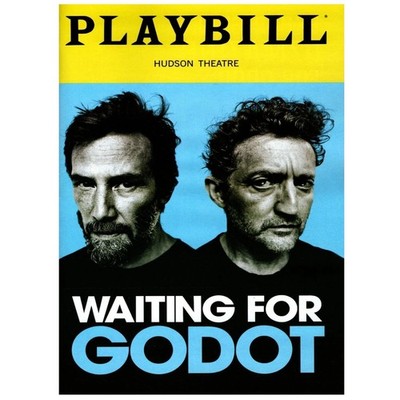
Play
group
Drama

They give birth astride of a grave

from Waiting for Godot

Written by Samuel Beckett

They give birth astride of a grave from Waiting for Godot — audition scene

Act II. Pozzo erupts in a nihilistic fury over the nature of time and mortality before departing. Vladimir and Estragon are left alone once more, grappling with loneliness and the futility of their existence.

Start a free 7-day trial — 5 downloads a day, unlimited when Pro begins

Rehearse this scene
Rehearse on your terms

Choose your role and voices for the other characters. Run the scene at your own pace.

Scene PreviewExcerpt — subscribe to read full scene

POZZO

One day we were born, one day we shall die, the same day, the same second, is that not enough for you? They give birth astride of a grave, the light gleams an instant, then it's night once more.

ESTRAGON

Why will you never let me sleep?

VLADIMIR

I felt lonely.

ESTRAGON

I was dreaming I was happy.

VLADIMIR

That passed the time.

End of preview. Continue with Pro below.

7 days freeYour next rehearsal starts here

Found your next scene? Make it yours.

Start your free trial and read They give birth astride of a grave in full, with access to 5,000+ monologues and scenes to explore next.

  • Read the full scene and explore the library
  • Download your script in a clean, printable format
  • Take it into rehearsal with the Script Reader
Casting Types
Get Feedback
Coming Soon

Want expert coaching on this scene?

Browse our curated list of acting coaches, dialect specialists, and more.

Find a Coach

Need representation?

Browse verified agents and casting directors in our directory.

Scene Notes & Audition Tips

5 sections
About This Scene

Taken from Act II of Samuel Beckett's modern-classic drama Waiting for Godot, this poignant group scene captures a powerful shift in dramatic energy. Pozzo erupts with nihilistic fury regarding the fleeting nature of time and human mortality before making his exit. In the immediate aftermath, Vladimir and Estragon are left together in the stillness, grappling with profound loneliness and the quiet futility of their ongoing existence.

Character Analysis

Pozzo functions as an explosive catalyst whose raw, vulnerable outburst exposes an agonizing awareness of death and brevity. Vladimir represents the desperate need for human connection, openly acknowledging his isolation when confronted with the quiet void. Estragon serves as a weary counterweight, retreating into slumber and fleeting dreams of happiness simply to endure the passage of time.

Why This Works for Auditions

At approximately two minutes in length, this scene presents an exceptional opportunity to demonstrate emotional range within a compact framework. The transition from Pozzo's intense, philosophical fury to the fragile intimacy between Vladimir and Estragon provides sharp dynamic contrast. Panels and evaluators can immediately assess how well performers handle existential weight, subtext, and active listening in an ensemble setting.

Best Suited For

This piece is well suited for male performers in the 35 to 45 age range looking to showcase depth within character actor, dramatic, or everyman casting profiles. It serves as an impressive selection for drama school auditions, theatrical competitions, and advanced general practice. Actors who thrive when portraying vulnerability, existential fatigue, and complex interpersonal bonds will find rich material here.

Performance Tips

Resist the urge to over-intellectualize the minimalist dialogue and instead ground each beat in visceral human need. The actor playing Pozzo must drive his fury from a place of genuine, terrifying grief rather than generalized theatrical anger. For Vladimir and Estragon, allow the silence left by the sudden departure to feel heavy, letting physical stillness amplify the emotional weight of your shared isolation.

Explore this topic