Skip to content
    Play
    duologue
    Comedy-Drama

    The Ending (Waiting for Godot)

    from Waiting for Godot

    Written by Samuel Beckett

    The Ending (Waiting for Godot) from Waiting for Godot — audition scene

    Act II. In the final moments of the play, Vladimir and Estragon contemplate suicide and the possibility of leaving, only to remain trapped in their cycle of waiting for the mysterious Godot.

    Start a free 7-day trial — 5 downloads a day, unlimited when Pro begins

    Rehearse this scene
    Rehearse on your terms

    Choose your role and voices for the other characters. Run the scene at your own pace.

    Scene PreviewExcerpt — subscribe to read full scene

    ESTRAGON

    What's wrong with you?

    VLADIMIR

    Nothing.

    ESTRAGON

    I'm going.

    VLADIMIR

    So am I.

    ESTRAGON

    Was I long asleep?
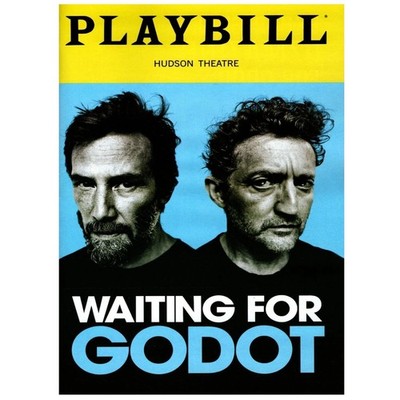
    End of preview. Continue with Pro below.

    7 days freeYour next rehearsal starts here

    Found your next scene? Make it yours.

    Start your free trial and read The Ending (Waiting for Godot) in full, with access to 6,500+ monologues and scenes to explore next.

    • Read the full scene and explore the library
    • Download your script in a clean, printable format
    • Take it into rehearsal with the Script Reader
    Casting Types
    Get Feedback
    Coming Soon

    Want expert coaching on this scene?

    Browse our curated list of acting coaches, dialect specialists, and more.

    Find a Coach

    Need representation?

    Browse verified agents and casting directors in our directory.

    Scene Notes & Audition Tips

    5 sections
    About This Scene

    This famous modern-classic duologue takes place during the concluding beats of Samuel Beckett's landmark absurdist comedy-drama. Trapped in a bleak, minimalist landscape beside a lone tree, Vladimir and Estragon confront the reality that another day has slipped away without their elusive benefactor arriving. Faced with the dread of endless repetition, the two companions debate drastic escapes and suicide, yet ultimately find themselves paralyzed in their shared devotion to waiting.

    Character Analysis

    Vladimir represents the intellect and memory of the pair, clinging to duty and the fragile hope that their patience will be rewarded. He carries the weight of conscious awareness, gently steering his friend through disorientation while concealing his own profound vulnerability. Estragon embodies a more physical, immediate existence, driven by physical discomfort, exhaustion, and a perpetual urge to wander away. Despite their stark differences and frequent thoughts of parting, the characters are fundamentally bound together, acting as complementary halves of a singular human struggle.

    Why This Works for Auditions

    This three-minute duologue is an exceptional vehicle for actors who want to demonstrate mastery of tragicomedy and subtext. The scene balances delicate physical humor, such as wardrobe mishaps, with deep existential dread, allowing performers to showcase rapid tonal shifts without breaking continuity. Audition panels can readily evaluate your vocal control, stage economy, and willingness to embrace heavy pauses and vulnerability in an intimate two-person exchange.

    Best Suited For

    This scene is ideally matched for drama school auditions, festival competitions, and advanced scene study practice. It fits performers castable as character actors or relatable everyman archetypes, especially those in the thirty-five to forty-five age range. Because the roles are open to actors of any gender, it offers tremendous flexibility for creative partnerships seeking rigorous modern-classic material.

    Performance Tips

    Resist the temptation to play the absurdism with heavy-handed melodrama or broad eccentricity. Treat every mundane discussion, whether debating rope or inspecting trousers, with absolute earnestness and grounded truth. Honor the script's silences, filling every pause with active listening, physical fatigue, and genuine connection with your scene partner. Keep your movements intentional, letting stillness convey the crushing weight of their mutual inertia.

    No ratings yet
    Sign in to rate