Film
duologue
Comedy-Drama

The Black Book

from American Fiction

Written by Cord Jefferson

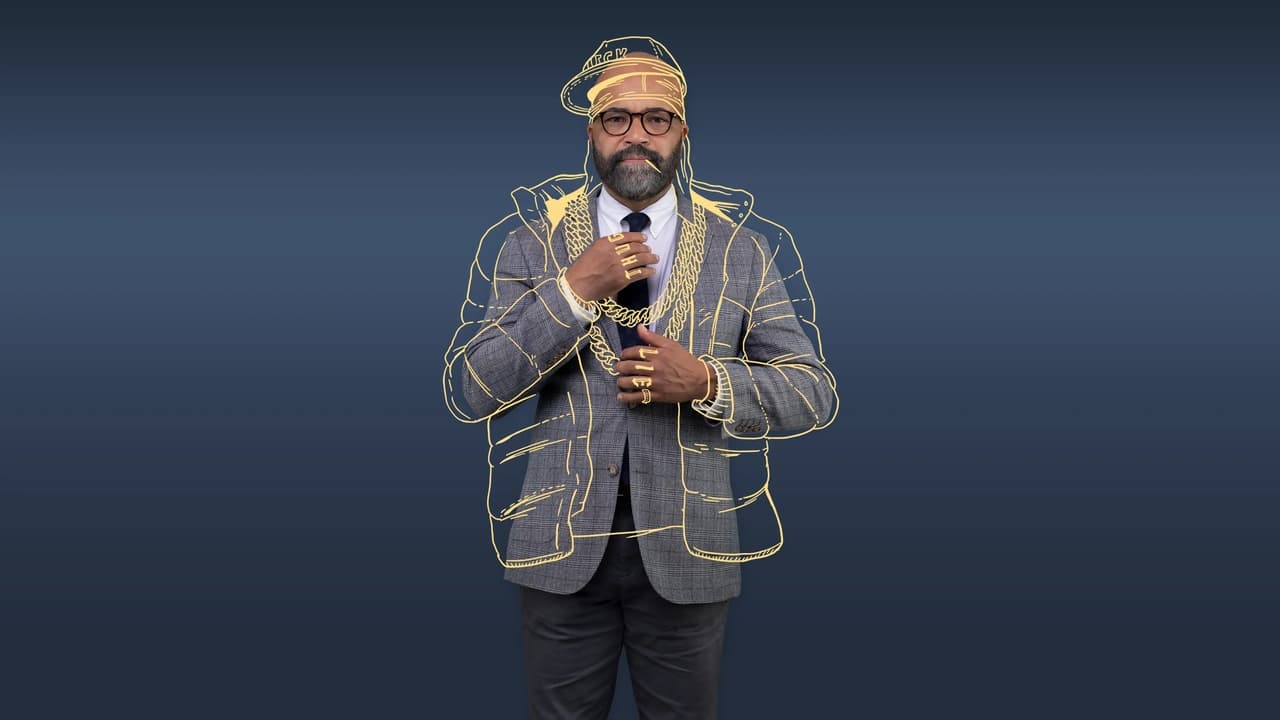
American Fiction

Monk, a frustrated author, discusses his latest manuscript with his agent, Arthur. Monk's work is being rejected by publishers who claim it's not 'Black enough,' leading to a cynical and humorous exchange about racial stereotypes in literature.

Start a free 7-day trial — 5 downloads a day, unlimited when Pro begins

Rehearse this scene
Rehearse on your terms

Choose your role and voices for the other characters. Run the scene at your own pace.

Scene PreviewExcerpt — subscribe to read full scene

ARTHUR

Welcome back. How’s it feel to be home?

MONK

Great. I've already had a man in a Bruins jersey ask me if I think I'm better than him.

ARTHUR

That's good luck here. That's Boston's version of a ladybug landing on you.

MONK

Any news?

End of preview. Continue with Pro below.

7 days freeYour next rehearsal starts here

Found your next scene? Make it yours.

Start your free trial and read The Black Book in full, with access to 1,000+ monologues and scenes to explore next.

  • Read the full scene and explore the library
  • Download your script in a clean, printable format
  • Take it into rehearsal with the Script Reader
Casting Types
Get Feedback
Coming Soon

Want expert coaching on this scene?

Browse our curated list of acting coaches, dialect specialists, and more.

Find a Coach

Need representation?

Browse verified agents and casting directors in our directory.

Scene Notes & Audition Tips

5 sections
About This Scene

This engaging duologue, "The Black Book," features a witty and exasperated exchange between an author, Monk, and his agent, Arthur. It delves into the frustrations of navigating the publishing world when racial identity is perceived as a genre rather than a personal characteristic. The scene offers a sharp, comedic look at the expectations placed on Black authors and the often-absurd definitions of "authenticity" in literature, making it ideal for actors seeking material with both substance and humor.

Character Analysis

Monk is an intellectual and sarcastic author, evidently at his wit's end with the publishing industry's narrow-mindedness. He possesses a dry wit and a deep-seated frustration regarding racial stereotypes. Arthur, on the other hand, is a more pragmatic, business-minded individual, attempting to navigate the commercial landscape while simultaneously placating his exasperated client. He is a character who understands the system and its flaws, and his responses, though seemingly supportive, often carry an undertone of resignation or even subtle manipulation.

Why This Works for Auditions

This scene is an excellent choice for auditions due to its sharp, contemporary dialogue and inherent comedic timing. It provides ample opportunity for actors to showcase both strong verbal comedy and underlying emotional frustration, allowing for a nuanced performance. The compact duration and clear objective for each character make it easy to prepare, while the modern tone and relevant themes ensure it resonates with a contemporary audience.

Best Suited For

"The Black Book" is particularly well-suited for male actors in the 35-45 age range who excel at playing intellectual, sarcastic, or character-actor types. It is an outstanding choice for self-tapes, demonstrating an actor's ability to create a compelling performance with minimal resources. It also shines in general practice sessions or agent showcases, as it allows for a strong, memorable impression through its clever writing and potential for subtle, impactful character work.

Performance Tips

When approaching this scene, focus on the subtext of Monk's exasperation and Arthur's world-weariness. Monk's lines should be delivered with a controlled intensity that suggests a long history of similar frustrations. For Arthur, consider how his tone might shift between genuine empathy and a more detached, business-like pragmatism. Pay close attention to the rhythm of the dialogue, allowing the comedic exchanges to land naturally and without forcing the humor. The underlying tension about identity and authenticity should inform every line.

Explore this topic