
Film
duologue
Thriller
Drama

The Legend of the Boogeyman

from John Wick

Written by Derek Kolstad

John Wick

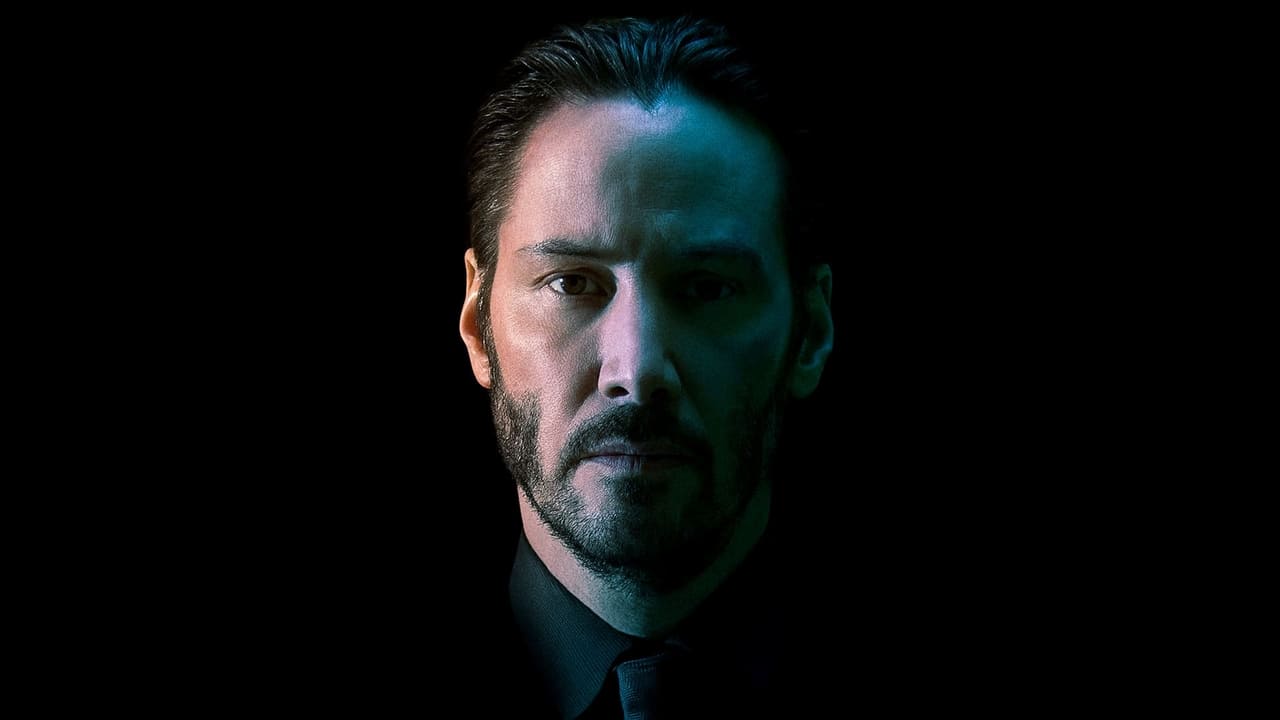
Viggo explains the terrifying military and assassin history of John Wick to his son, Iosef, who has unknowingly provoked the legendary killer. The scene serves as a chilling warning about the consequences of Iosef's actions and establishes the high stakes of the conflict.

Start a free 7-day trial — 5 downloads a day, unlimited when Pro begins

Rehearse this scene
Rehearse on your terms

Choose your role and voices for the other characters. Run the scene at your own pace.

Scene PreviewExcerpt — subscribe to read full scene

VIGGO

His name is John Wick...

VIGGO

...and when he was fifteen, he lied

VIGGO

his way into the marines and headed

VIGGO

off to Vietnam. He specialized in

VIGGO

force-oriented reconnaissance,

End of preview. Continue with Pro below.

7 days freeYour next rehearsal starts here

Found your next scene? Make it yours.

Start your free trial and read The Legend of the Boogeyman in full, with access to 1,000+ monologues and scenes to explore next.

  • Read the full scene and explore the library
  • Download your script in a clean, printable format
  • Take it into rehearsal with the Script Reader
Casting Types
Get Feedback
Coming Soon

Want expert coaching on this scene?

Browse our curated list of acting coaches, dialect specialists, and more.

Find a Coach

Need representation?

Browse verified agents and casting directors in our directory.

Scene Notes & Audition Tips

5 sections
About This Scene

This intense duologue from "John Wick" plunges audiences into the chilling reality of the criminal underworld. Viggo, a powerful figure, delivers a stark warning to his son, Iosef, detailing the fearsome history and capabilities of the legendary assassin, John Wick. The scene expertly builds suspense and dread as Viggo recounts Wick's past, revealing the catastrophic error Iosef has made by crossing him.

Character Analysis

Viggo is a seasoned patriarch, a man accustomed to power and control, yet visibly shaken by the prospect of John Wick's vengeance. His tone shifts from weary resignation to a chilling reverence for Wick's deadly reputation, painting a vivid picture of a force of nature. Iosef, in stark contrast, begins the scene with a youthful arrogance that quickly crumbles into palpable fear and dawning horror. He is initially dismissive but is slowly disarmed and terrified by his father's exposition, embodying a character facing the terrifying consequences of his reckless actions.

Why This Works for Auditions

This scene offers a fantastic opportunity for actors to display a wide emotional range within a compact timeframe. It demands a strong sense of character arc, especially for Iosef, who transitions from complacency to terror. For Viggo, it showcases authority, gravitas, and the ability to convey deep-seated knowledge and dread. The dynamic between father and son, coupled with the high stakes, makes for compelling viewing and allows both actors to demonstrate nuanced reactions and powerful verbal delivery.

Best Suited For

This scene is ideal for male actors in the "Villain," "Authority Figure," or "Patriarch" casting types, particularly those aged 45-55 for Viggo and 20s for Iosef. It is exceptionally well-suited for agent showcases and self-tapes where actors need to demonstrate intensity, gravitas, and the ability to portray a character under immense pressure. The Thriller genre allows for exploration of complex emotions like fear, anger, and a chilling sense of foreboding.

Performance Tips

For Viggo, focus on the weight of his words and the history he carries, allowing his voice to convey both respect and dread for John Wick. Every detail he shares should land with impact, building the terrifying image. For Iosef, chart his journey from casual disregard to genuine, creeping fear; let the information visibly affect him, from subtle facial cues to more overt physical reactions. Pay close attention to the subtext of their father-son relationship, which adds another layer of complexity to their interaction.

Explore this topic