Film
duologue
Thriller
Drama

The Name of John Wick

from John Wick

Written by Derek Kolstad

John Wick

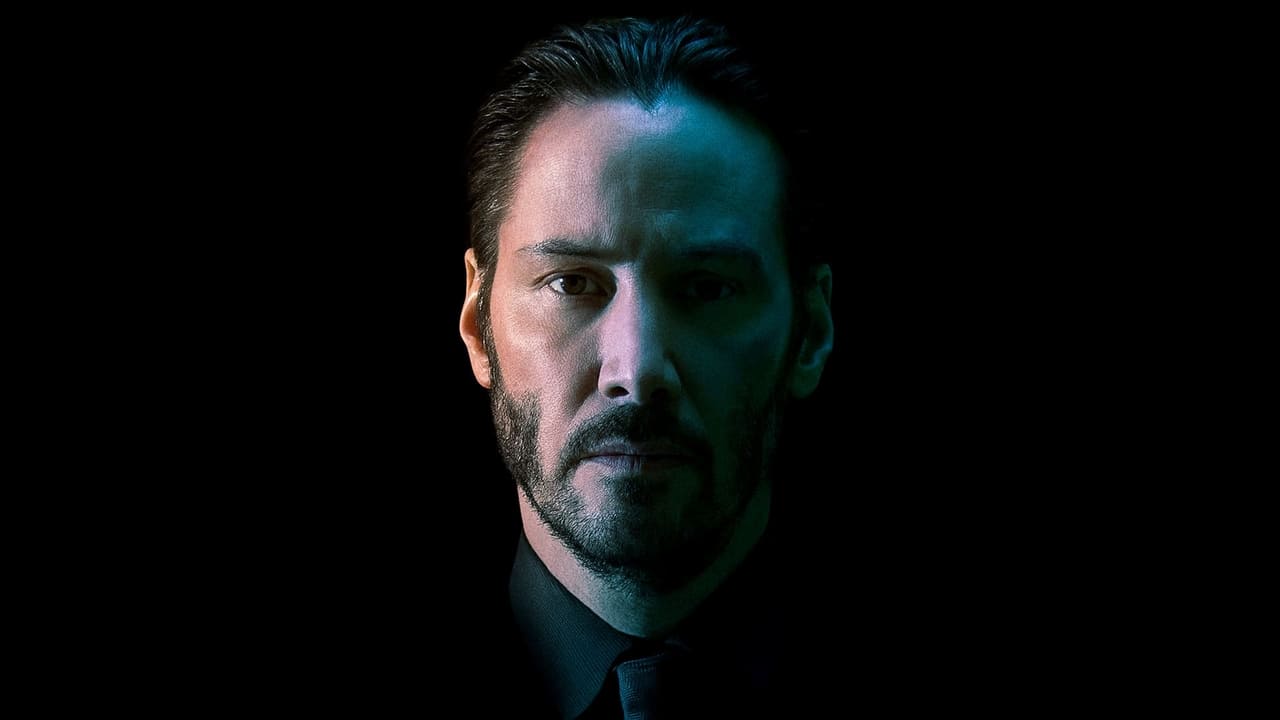
A Russian mob boss reprimands his son for stealing a car from the wrong man, revealing the terrifying history of the legendary John Wick.

Start a free 7-day trial — 5 downloads a day, unlimited when Pro begins

Rehearse this scene
Rehearse on your terms

Choose your role and voices for the other characters. Run the scene at your own pace.

Scene PreviewExcerpt — subscribe to read full scene

VIGGO

You fucked up.

IOSEF

I don’t know what y-

VIGGO

Yes. You do.

IOSEF

So I stole a fucking car! So fucking what?

VIGGO

Use that tone with me again...
End of preview. Continue with Pro below.

7 days freeYour next rehearsal starts here

Found your next scene? Make it yours.

Start your free trial and read The Name of John Wick in full, with access to 3,000+ monologues and scenes to explore next.

  • Read the full scene and explore the library
  • Download your script in a clean, printable format
  • Take it into rehearsal with the Script Reader
Casting Types
Get Feedback
Coming Soon

Want expert coaching on this scene?

Browse our curated list of acting coaches, dialect specialists, and more.

Find a Coach

Need representation?

Browse verified agents and casting directors in our directory.

Scene Notes & Audition Tips

5 sections
About This Scene

This intense duologue from the film *John Wick* presents a chilling confrontation between Russian crime boss Viggo and his reckless son, Iosef. Set in a contemporary underworld, the scene unfolds as Viggo violently reprimands Iosef for a seemingly minor transgression—stealing a car and killing a dog—which has unknowingly provoked a legendary figure. It’s a masterful display of power dynamics, father-son conflict, and the terrifying revelation of a notorious assassin's history, immediately immersing actors in a high-stakes dramatic situation. The tension builds through Viggo’s calculated aggression and Iosef’s dawning horror, making it a compelling piece for character-driven work.

Character Analysis

Viggo is an authority figure, a patriarch whose calm demeanor masks ruthless intent. He operates with cold, almost surgical precision, using physical intimidation and psychological manipulation to assert his dominance and educate his son about their world's brutal realities. Iosef, in contrast, is initially arrogant and dismissive, typical of a privileged heir unaware of his actions' true consequences. His arc in this scene is one of swift, painful humbling, transforming from cocky defiance to terrified submission as the weight of his father’s words and the legend of John Wick descend upon him.

Why This Works for Auditions

This scene offers exceptional material for auditions because it provides a clear arc and high dramatic stakes for both characters within a short timeframe. Actors can showcase a wide range of emotions, from contempt and controlled rage to fear, vulnerability, and dawning realization, making it a powerful vehicle for demonstrating versatility. The inherent tension and the clear power imbalance between Viggo and Iosef create a dynamic environment that allows performers to explore complex relationships and impactful moments without relying on extensive setup. Its contemporary thriller genre also makes it highly relevant for many casting calls today.

Best Suited For

This duologue is perfectly suited for male actors in the 20s-30s age range for Iosef, and 40s-60s for Viggo, who are looking to embody strong, intense characters. It's particularly effective for actors targeting casting types such as Villain, Patriarch, Authority Figure, or Criminal, requiring a deep dive into roles that command power or experience profound fear. Its suitability for self-tapes and agent showcases highlights its compact yet impactful nature, allowing actors to deliver a memorable performance that stands out in a crowded audition pool.

Performance Tips

For Viggo, focus on internalizing the character's immense power and the underlying threat he embodies, even in moments of quiet dialogue. His physicality should be precise and economical, making every gesture and word count, conveying a man who is rarely surprised and always in control. For Iosef, begin with a sense of entitlement and false bravado, allowing the fear to slowly chip away at his façade as Viggo delivers his chilling revelation. Embrace the physical reactions to the violence and the dawning horror, allowing vulnerability to surface genuinely. Pay close attention to the rhythm of the dialogue and the unspoken power shifts to maximize the scene's dramatic impact.

Explore this topic