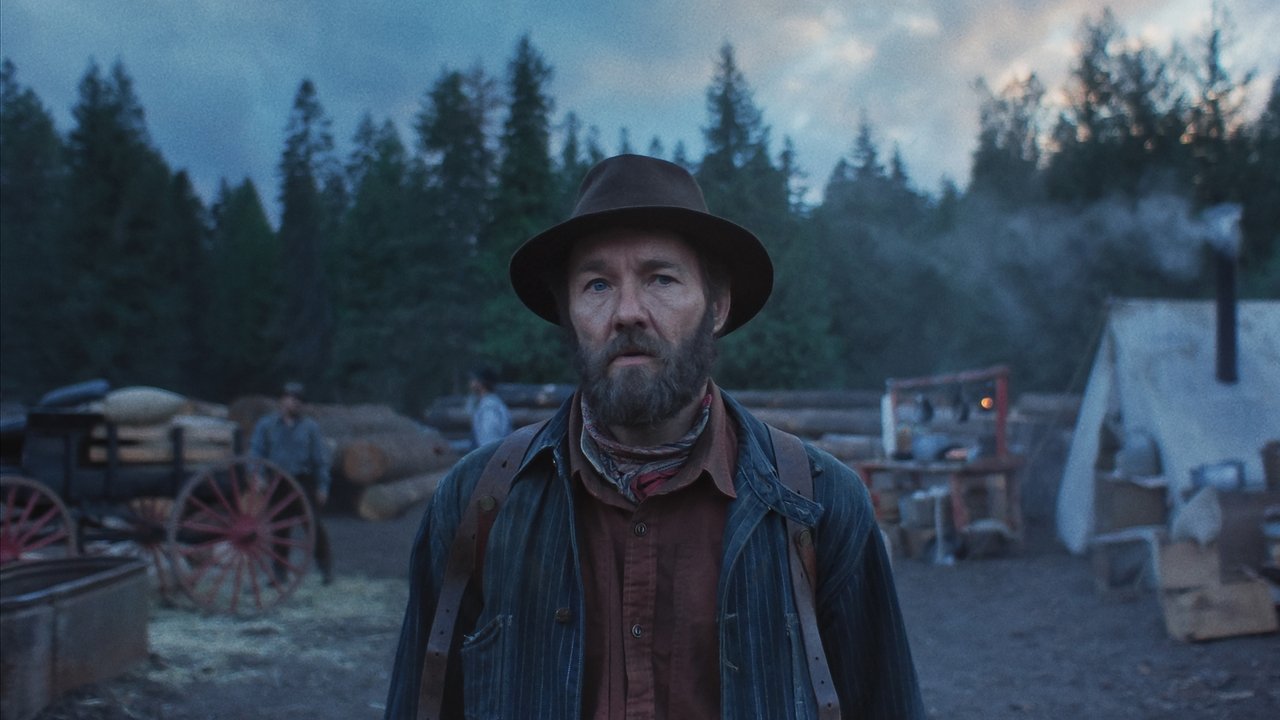
In a remote fire lookout tower, Grainier visits Claire and opens up about the tragic loss of his wife and child in a forest fire. They share a vulnerable moment of connection as Claire, also a widow, offers a philosophical perspective on grief and their shared isolation. The scene explores themes of survival, haunting memories, and finding purpose after devastating loss.
GRAINIER: It doesn't get spooky up this high?
CLAIRE: No, I think it's peaceful. I watch the clouds form and the light change. And I get paid to do it. It's a gift. Fireweed. [She hands him a cup of tea]
GRAINIER: Thank you. How'd you come to this?
CLAIRE: Saw a flier for the job opening just when I needed it. I had to get a recommendation from a family…
About This Scene
This poignant duologue, "The Burden of Memory," from the film Train Dreams, offers a rich opportunity for dramatic exploration. Set within the remote confines of a fire lookout tower, it follows Grainier and Claire as they navigate a deeply personal conversation about loss and survival. The scene masterfully blends melancholic reflection with a burgeoning sense of empathetic connection between two individuals isolated by both circumstance and grief.
Character Analysis
Grainier, ranging from 50s-70s, embodies the weight of past trauma, slowly opening up about the devastating loss of his family to a forest fire. He carries a palpable grief, yet seeks understanding and perhaps a path forward. Claire, in her 40s-60s, serves as a grounded, introspective counterpart; also a widow, she offers a philosophical perspective on suffering and endurance, projecting a quiet strength and deep empathy that allows Grainier to share his vulnerable memories.
Why This Works for Auditions
"The Burden of Memory" is an excellent choice for auditions due to its nuanced emotional landscape and the opportunity for deep character work. The scene progresses from initial polite conversation to a vulnerable sharing of profound loss, allowing actors to showcase a significant emotional arc. Its contemporary setting and contemplative tone make it versatile for various casting types, particularly those seeking to convey authentic human experience and resilience.
Best Suited For
This scene is particularly well-suited for actors aiming for drama school auditions, agent showcases, or self-tapes where demonstrating depth and emotional intelligence is key. It's ideal for those comfortable with melancholic and contemplative material, appealing to casting types such as Leading Man, Leading Lady, Everyman, or actors who excel at portraying vulnerable and working-class characters. The extended duration also allows for a sustained performance, showcasing stamina and dramatic range.
Performance Tips
When approaching this scene, focus on the subtext of shared experience and unspoken understanding. For Grainier, let his emotional burden manifest subtly before it is overtly revealed, building towards his confession with thoughtful pacing. For Claire, embody her empathetic listening and philosophical wisdom through grounded stillness and genuine curiosity, offering comfort without pity. Pay close attention to the rhythms of natural conversation, allowing silences to hold meaning and letting the contemplative tone guide your vocal and physical choices.