Film
monologue
Comedy-Drama
Thriller

The Con Artist's Origin

from American Hustle

Written by Eric Warren Singer, David O. Russell

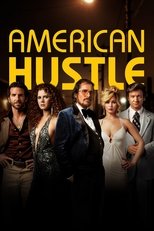
American Hustle

Irving reflects on his childhood and the necessity of survival, explaining how witnessing his father's failures led him to become a con artist.

Start a free 7-day trial — 5 downloads a day, unlimited when Pro begins

Rehearse on your terms

Take this monologue into rehearsal and work through it at your own pace.

Scene PreviewExcerpt — subscribe to read full scene

IRVING ROSENFELD

Did you ever have to find a way to survive and you knew your choices were bad? I learned how to survive when I was a kid. My father had a glass business. I would rather be on the taking side than the getting taken side any day of the week, especially after I saw how my father got taken. I mean, seeing that scarred me for life.

End of preview. Continue with Pro below.

7 days freeYour next rehearsal starts here

Found your next scene? Make it yours.

Start your free trial and read The Con Artist's Origin in full, with access to 4,000+ monologues and scenes to explore next.

  • Read the full scene and explore the library
  • Download your script in a clean, printable format
  • Take it into rehearsal with the Script Reader
Casting Types
Get Feedback
Coming Soon

Want expert coaching on this scene?

Browse our curated list of acting coaches, dialect specialists, and more.

Find a Coach

Need representation?

Browse verified agents and casting directors in our directory.

Scene Notes & Audition Tips

5 sections
About This Scene

This monologue, "The Con Artist's Origin," from the film *American Hustle*, offers a raw and vulnerable glimpse into the formative experiences of Irving Rosenfeld. It traces his journey from a young boy witnessing his father's struggles to becoming a shrewd con artist driven by a deep-seated need for survival and control. The scene beautifully blends elements of comedy-drama, as Irving reflects on his past with a wry, self-aware perspective, revealing the complex motivations behind his chosen path. This reflection explores themes of childhood trauma, ambition, and the morally ambiguous choices made in the pursuit of security.

Character Analysis

Irving Rosenfeld is presented as a complex anti-hero, an everyman who has embraced a criminal life out of perceived necessity rather than pure malice. His character is deeply influenced by observing his father's vulnerabilities, which instilled in him a powerful desire to be "on the taking side" rather than "getting taken." This monologue showcases his gritty resilience and street smarts, but also hints at an underlying vulnerability and the weight of his past. Irving is a master of adaptation, using his wits to navigate a challenging world, and his retrospective tone suggests a character who is both pragmatic and philosophical about his unconventional choices.

Why This Works for Auditions

This monologue is an excellent choice for auditions because it provides a significant emotional arc within a short timeframe, allowing actors to showcase a wide range of performance skills. The narrative nature of Irving's reflection gives actors ample opportunity to explore vocal nuance, pacing, and subtle shifts in tone, moving from reflective contemplation to a more assertive declaration of self. It effectively highlights an actor's ability to embody a character with depth and internal conflict, making strong choices about how his past has shaped his present. Furthermore, its comedic-drama genre allows for both dramatic gravitas and moments of dark humor.

Best Suited For

"The Con Artist's Origin" is ideally suited for male actors in the 35-45 age range who are looking to portray complex, morally ambiguous characters. It particularly appeals to casting types such as the Anti-Hero, Criminal, Everyman, and Character Actor. This piece is perfect for actors who excel at embodying gritty resilience, intelligence, and a hidden vulnerability beneath a tough exterior. It is an excellent choice for agent showcases, general practice, and self-tapes, demonstrating an actor’s capacity for nuanced storytelling and powerful character work.

Performance Tips

When approaching this monologue, focus on Irving's internal journey and the weight of his past experiences. Emphasize the "vulnerable" tone by allowing moments of regret or pain to surface, even amidst his resolute demeanor. Pay close attention to vocal dynamics, using pauses and shifts in pace to underscore the emotional significance of his reflections on his father and his own survival. Explore the wry humor inherent in his self-awareness, ensuring that his pragmatic outlook doesn't completely overshadow the underlying humanity and the genuine impact of his childhood traumas.

Explore this topic