
Film
duologue
["Drama","Romance"]

The Confession and the Plan

from LADY CHATTERLEY'S LOVER

Written by David Magee

LADY CHATTERLEY'S LOVER

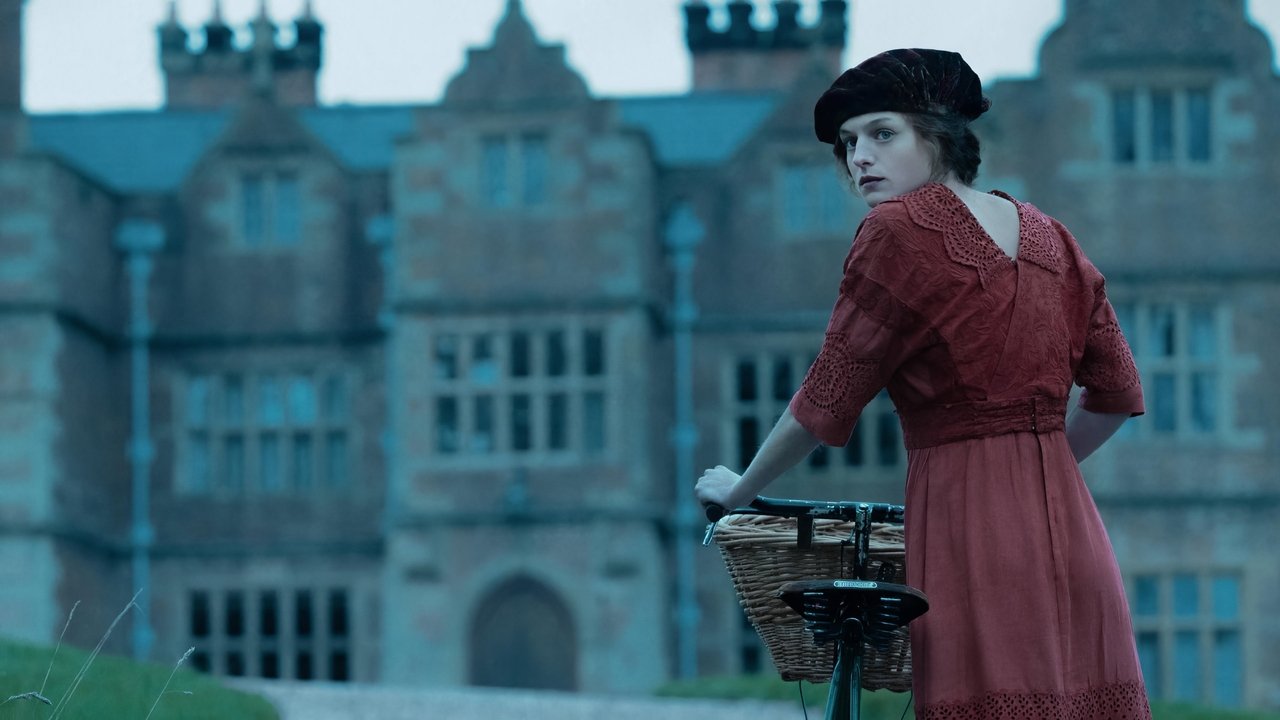
Connie informs Mellors that she is leaving for Venice and reveals she has told her husband about her pregnancy, implying the child resulted from a future affair. Mellors reacts with hurt and anger, feeling used as a mere tool for Connie to produce an heir for her aristocratic life. The scene explores the painful intersection of class dynamics and romantic vulnerability.

Start a free 7-day trial — 5 downloads a day, unlimited when Pro begins

Rehearse this scene
Rehearse on your terms

Choose your role and voices for the other characters. Run the scene at your own pace.

Scene PreviewExcerpt — subscribe to read full scene

CONNIE

You know how much you mean to me, don’t you?

MELLORS

And you to me.

CONNIE

... Because I have to go away for awhile. To Venice.

MELLORS

With Sir Clifford? For how long?

CONNIE

Just a couple of months. But not with Clifford, no. He doesn’t like to travel how he is.

End of preview. Continue with Pro below.

7 days freeYour next rehearsal starts here

Found your next scene? Make it yours.

Start your free trial and read The Confession and the Plan in full, with access to 1,000+ monologues and scenes to explore next.

  • Read the full scene and explore the library
  • Download your script in a clean, printable format
  • Take it into rehearsal with the Script Reader
Casting Types
Get Feedback
Coming Soon

Want expert coaching on this scene?

Browse our curated list of acting coaches, dialect specialists, and more.

Find a Coach

Need representation?

Browse verified agents and casting directors in our directory.

Scene Notes & Audition Tips

5 sections
About This Scene

This duologue from David Magee’s *Lady Chatterley's Lover* delivers a powerful and intricate moment between Connie and Mellors. The scene unfolds as Connie reveals her impending trip to Venice and, more significantly, her decision to confess a presumed pregnancy to her husband, Clifford, framing the child as the result of a potential future affair rather than their undeniable present one. This conversation rapidly escalates from intimate vulnerability to inflamed accusation, laying bare the profound impact of their secret relationship on Mellors and the class chasm that ultimately defines their understanding of each other.

Character Analysis

Connie navigates a complex emotional landscape, beginning with a facade of tender farewells before dropping her bombshell. Her character is deeply conflicted, striving to protect herself and her burgeoning hope for motherhood within the suffocating constraints of her aristocratic life, yet struggling with the raw honesty of her actions. Mellors, initially caring and observant, transforms into a figure of deep hurt and anger. He feels profoundly betrayed and reduced to a mere means to an end, his dignity wounded by Connie's calculated manipulation of their shared intimacy for her societal advantage.

Why This Works for Auditions

This scene offers superb material for auditions due to its immediate conflict and the rapid shifts in emotional tone. Actors can showcase their ability to handle nuanced dialogue, portraying vulnerability, calculation, hurt, and explosive anger within a contained timeframe. The underlying themes of betrayal, class struggle, and the consequences of a secret affair provide rich emotional subtext, allowing for powerful performances that demonstrate range and depth. The clear character objectives and obstacles create compelling dramatic tension, making it ideal for performers looking to impress.

Best Suited For

This duologue is best suited for actors in their 20s or 30s who can believably embody characters dealing with intense emotional stakes and the societal pressures of their respective classes. Performers comfortable with portraying both tender intimacy and sharp, accusatory conflict will shine in these roles. It is particularly effective for actors aiming for leading lady or leading man roles, as well as those specializing in vulnerable or working-class/upper-class archetypes, offering a rich exploration of power dynamics and personal integrity.

Performance Tips

For Connie, focus on the internal conflict between her love for Mellors and her desperate need to secure her future. Allow moments of genuine affection to contrast sharply with her manipulative revelations, highlighting her conflicted state. For Mellors, begin with quiet tenderness and gradually build the intensity of his hurt and anger, letting his sense of betrayal simmer before erupting into a raw, defensive lashing out. Pay close attention to the subtext of class difference, allowing it to inform each character's reactions and choices, particularly as the scene progresses towards its accusatory climax.

Explore this topic