
Tv
monologue
Drama
Thriller

The Confession

from And Then There Were None

Written by Sarah Phelps

And Then There Were None

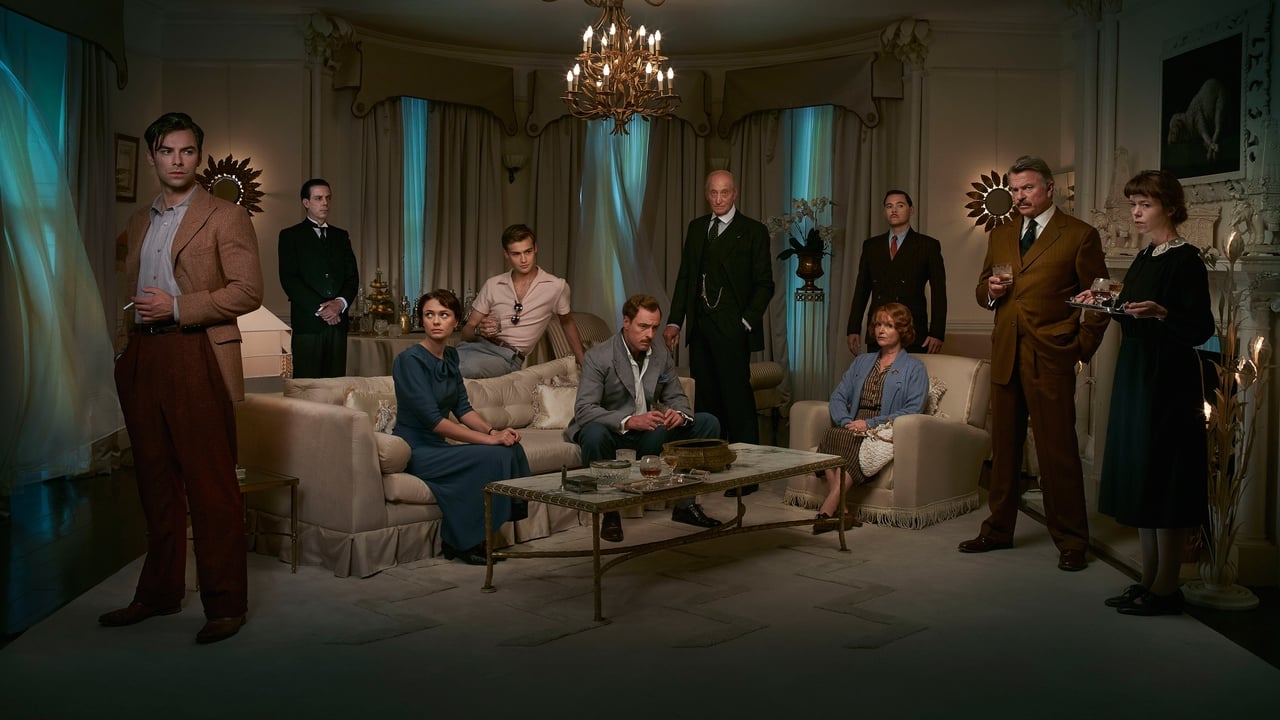
Blore experiences a breakdown of guilt and paranoia, questioning if the characters are already in hell. He graphically confesses to the brutal murder of Landor, a young man he beat to death, while simultaneously worrying about the mundane fate of his tomato crop.

Start a free 7-day trial — 5 downloads a day, unlimited when Pro begins

Rehearse on your terms

Take this monologue into rehearsal and work through it at your own pace.

Scene PreviewExcerpt — subscribe to read full scene

BLORE

Perhaps we’re dead already and we just don’t realise and this is hell. We’re in hell to be punished for the things we done cos I did kill him. Landor. I stamped him till he was pulp. His own mother couldn’t see him, couldn’t say her goodbyes. Closed coffin. Didn’t have to buy a drink in the pub for months. Having my back slapped like I was a hero. I…

End of preview. Continue with Pro below.

7 days freeYour next rehearsal starts here

Found your next scene? Make it yours.

Start your free trial and read The Confession in full, with access to 3,000+ monologues and scenes to explore next.

  • Read the full scene and explore the library
  • Download your script in a clean, printable format
  • Take it into rehearsal with the Script Reader
Casting Types
Get Feedback
Coming Soon

Want expert coaching on this scene?

Browse our curated list of acting coaches, dialect specialists, and more.

Find a Coach

Need representation?

Browse verified agents and casting directors in our directory.

Scene Notes & Audition Tips

5 sections
About This Scene

This intense dramatic monologue features Blore from the television adaptation of *And Then There Were None* by Sarah Phelps. Blore experiences a powerful internal and external breakdown, grappling with profound guilt and burgeoning paranoia. The scene captures a pivotal moment where the character confronts the horrifying reality of his past actions, specifically the brutal murder of a young man named Landor. This piece offers a raw and unflinching look at a mind unraveling under extreme psychological pressure.

Character Analysis

Blore is presented as a complex figure, seemingly hardened by life, yet internally tormented by his past. His confession reveals a man capable of extreme violence, having beaten Landor to death, but also one who is now deeply disturbed by the consequences of his actions. Despite the gravity of his crimes, a flicker of humanity, or perhaps just self-interest, remains, evidenced by his bizarre concern for his tomato crop amidst his existential dread. This duality, between brutal perpetrator and haunted individual, creates a fascinating and challenging character for an actor to explore.

Why This Works for Auditions

"The Confession" is an exceptional audition piece because it showcases a vast emotional range within a short duration. Actors can demonstrate their ability to portray intense guilt, profound fear, and a descent into paranoia, all while maintaining a grounded sense of reality, even as Blore questions it. The monologue provides a clear arc from initial dread to a graphic, detailed confession and then a moment of almost mundane anxiety, allowing for dynamic shifts in tone and intensity. This material allows you to display a sophisticated understanding of character psychology and dramatic pacing without relying on a scene partner.

Best Suited For

This monologue is particularly well-suited for male actors in the 35-45 age range who excel at portraying gritty, intense, or character-driven roles. It is an ideal choice for a drama school audition, an agent showcase, or a self-tape submission where demonstrating significant emotional depth and dramatic prowess is crucial. Actors comfortable with exploring darker themes and embodying complex moral ambiguities will find this piece compelling and highly effective in showcasing their abilities.

Performance Tips

Approach Blore's confession with a deep understanding of his internal conflict. Lean into the paradox of his character: the brutality of his crime contrasted with his current unraveling and almost absurd concern for his garden. Allow the paranoia to build organically, letting the confession itself feel both cathartic and terrifyingly real. Pay close attention to vocal dynamics and physical stillness to convey the weight of his guilt and the intensity of his fear. Avoid playing the confession as purely angry; instead, explore the undercurrents of shame, terror, and a burgeoning sense of being trapped.

Explore this topic