Tv
group
Drama
Thriller

The Odds Are Too Short

from And Then There Were None

Written by Sarah Phelps

And Then There Were None

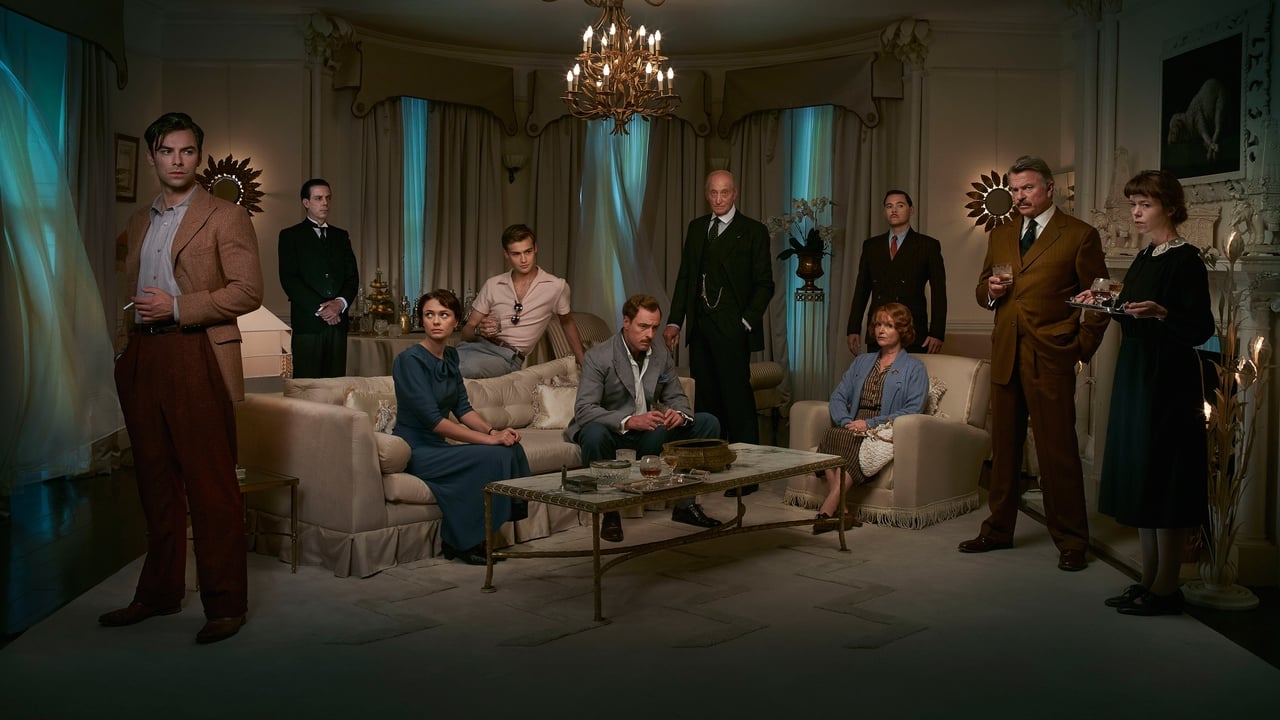
During a tense social gathering, Marston mocks the older guests while Lombard and Vera exchange sharp, flirtatious barbs.

Start a free 7-day trial — 5 downloads a day, unlimited when Pro begins

Rehearse this scene
Rehearse on your terms

Choose your role and voices for the other characters. Run the scene at your own pace.

Scene PreviewExcerpt — subscribe to read full scene

VERA

A drink, Mr Marston?

MARSTON

Pink gin.

VERA

How pink?

MARSTON

As a virgin’s blush.

MARSTON

You a betting man, Lombard?
End of preview. Continue with Pro below.

7 days freeYour next rehearsal starts here

Found your next scene? Make it yours.

Start your free trial and read The Odds Are Too Short in full, with access to 3,000+ monologues and scenes to explore next.

  • Read the full scene and explore the library
  • Download your script in a clean, printable format
  • Take it into rehearsal with the Script Reader
Casting Types
Get Feedback
Coming Soon

Want expert coaching on this scene?

Browse our curated list of acting coaches, dialect specialists, and more.

Find a Coach

Need representation?

Browse verified agents and casting directors in our directory.

Scene Notes & Audition Tips

5 sections
About This Scene

This intense dramatic scene from Sarah Phelps' television adaptation of *And Then There Were None* features three characters, Vera, Marston, and Lombard, during a tense social gathering. The atmosphere is charged with underlying cynicism and flirtation, as Marston provocatively mocks the older guests present. Meanwhile, Lombard and Vera engage in a sharp, witty exchange, their lines loaded with subtext and suggestive tension. The dialogue subtly explores themes of social critique, class, and the characters' differing worldviews, setting a disquieting tone early in the narrative.

Character Analysis

Marston is presented as a young, jaded, and wealthy individual, embodying an anti-heroic archetype with a deeply cynical outlook on life and society. He views older generations as obsolete, openly disrespecting them with a casual, almost aristocratic disdain. Lombard, a leading man type, exudes a sophisticated, enigmatic charm, engaging in flirtatious banter with Vera while possessing a keen, observant mind. Vera, though not speaking extensively in this particular snippet, is established as intelligent and sharp-witted, capable of holding her own against Lombard's advances.

Why This Works for Auditions

This group scene offers excellent material for auditions due to its concise duration and sharp, dynamic dialogue. It allows actors to showcase their ability to convey complex character dynamics and subtext within a short timeframe. The interplay between cynicism, flirtation, and social tension provides rich emotional layers, making it ideal for demonstrating range in a dramatic setting. Furthermore, the scene's clear character archetypes like the anti-hero and leading man offer distinct acting challenges and opportunities.

Best Suited For

This scene is particularly well-suited for actors in the 18-25 age range, aligning with the provided character ages for Marston and the implied youthfulness of Vera. It's excellent for those looking to portray characters with a sophisticated edge, a cynical worldview, or a compelling anti-heroic quality. Actors seeking to demonstrate their skill with intense, character-driven drama, particularly in roles demanding a strong presence and intelligent delivery, will find this piece highly effective.

Performance Tips

For Marston, focus on delivering lines with a detached, almost bored arrogance, ensuring his disdain feels natural rather than overtly theatrical. For Lombard, play into his smooth confidence and understated cleverness, using pauses and eye contact to convey his observant nature and subtle flirtation. Vera should project intelligence and a quiet strength, responding to Lombard's barbs with a sense of self-possession and subtle challenge. The key for all three is to maintain the underlying social tension and the sense of mystery that pervades the scene, allowing the subtext to inform every word and gesture.

Explore this topic