Film
duologue
Drama

The Confession

from The Seventh Seal

Written by Ingmar Bergman

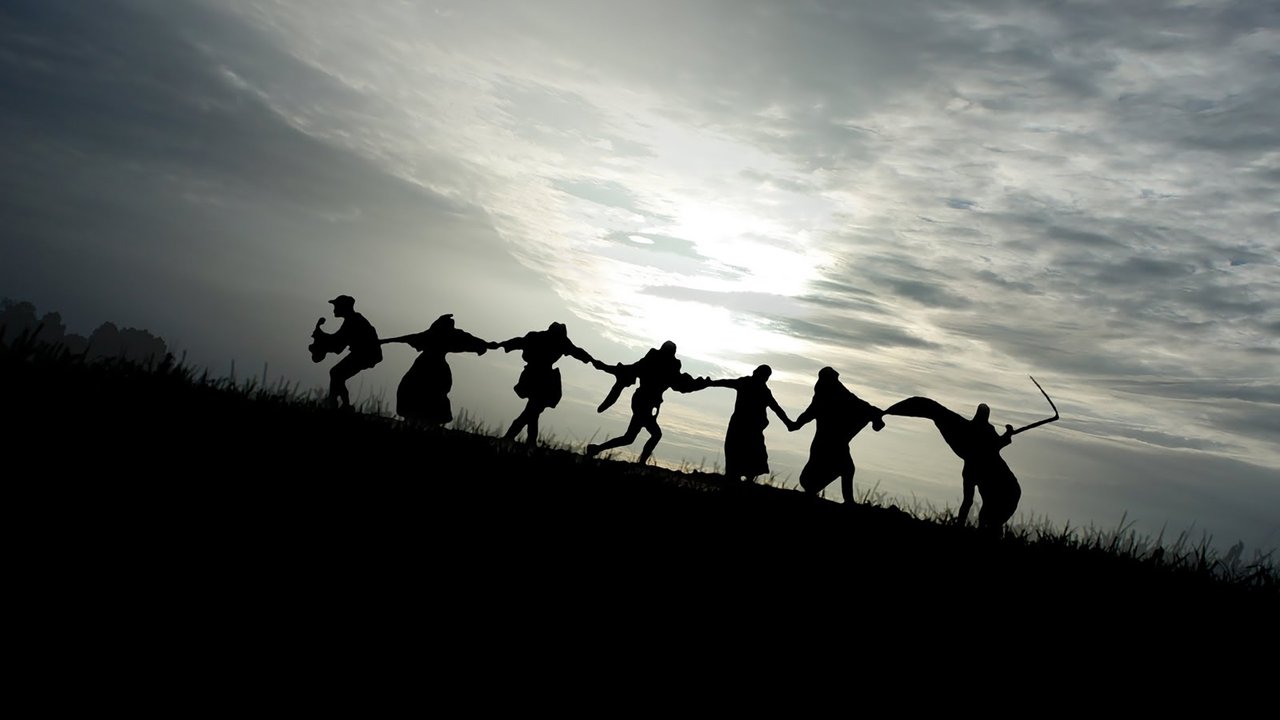
The Seventh Seal

A disillusioned knight confesses his spiritual emptiness and fear to what he believes is a priest, but is in fact Death. He grapples with his lack of faith and desire for knowledge, revealing he is playing a game of chess with Death to prolong his life for a meaningful deed.

Start a free 7-day trial — 5 downloads a day, unlimited when Pro begins

Rehearse this scene
Rehearse on your terms

Choose your role and voices for the other characters. Run the scene at your own pace.

Scene PreviewExcerpt — subscribe to read full scene

KNIGHT

I want to talk to you as openly as I can, but my heart is empty. DEATH doesn't answer.

KNIGHT

The emptiness is a mirror turned towards my own face. I see myself in it, and I am filled with fear and disgust. DEATH doesn't answer.

KNIGHT

Through my indifference to my fellow men, I have isolated myself from their company. Now I live in a world of…

End of preview. Continue with Pro below.

7 days freeYour next rehearsal starts here

Found your next scene? Make it yours.

Start your free trial and read The Confession in full, with access to 1,000+ monologues and scenes to explore next.

  • Read the full scene and explore the library
  • Download your script in a clean, printable format
  • Take it into rehearsal with the Script Reader
Casting Types
Get Feedback
Coming Soon

Want expert coaching on this scene?

Browse our curated list of acting coaches, dialect specialists, and more.

Find a Coach

Need representation?

Browse verified agents and casting directors in our directory.

Scene Notes & Audition Tips

5 sections
About This Scene

This intense duologue, titled "The Confession," is a pivotal moment from the modern-classic film *The Seventh Seal*. In this scene, a battle-weary knight, grappling with a profound spiritual crisis, seeks solace and answers in what he believes is a confessional booth. Unbeknownst to him, the figure on the other side is Death, creating a profoundly dramatic and existentially charged encounter that explores themes of faith, mortality, and the search for meaning. It’s a powerful examination of human vulnerability in the face of the unknown.

Character Analysis

The KNIGHT is a deeply philosophical and vulnerable character, wrestling with spiritual emptiness and a desperate longing for knowledge. He struggles with a lack of faith, yet paradoxically, cannot escape the persistent reality of God within himself, even as he curses it. His internal conflict drives his dialogue, revealing a man who has isolated himself and is now confronted by his own fears and regrets. DEATH, in this interaction, is largely a stoic, observant presence, offering only brief, poignant interjections that serve to deepen the knight’s existential dread and self-reflection.

Why This Works for Auditions

"The Confession" offers an actor a fantastic opportunity to showcase a wide range of intense emotions and intellectual depth within a contained, powerful exchange. The scene's dramatic weight and philosophical underpinnings allow for a nuanced performance, demonstrating an actor's ability to portray internal struggle, vulnerability, and a search for truth. Its duologue format ensures a dynamic interplay, even with Death's sparse lines, forcing the KNIGHT to carry much of the emotional and intellectual heavy lifting, making it an excellent vehicle for showcasing dramatic chops and sustained emotional intensity.

Best Suited For

This scene is ideally suited for male actors aged 35-45 who can embody a character with both intense and vulnerable qualities. It is particularly effective for those looking to portray philosophical depth and an anti-heroic complexity. Actors with dramatic training who excel in roles requiring sustained emotional intensity and intellectual gravitas will find this scene a powerful tool for drama school auditions, self-tapes, or acting competitions where a profound and thought-provoking piece is desired.

Performance Tips

When approaching "The Confession," focus on the internal torment and intellectual yearning of the KNIGHT. Allow moments of silence to convey the weight of his spiritual emptiness and the profound questions he grapples with, rather than rushing through the lines. The dialogue carries significant existential weight, so prioritize clarity and articulate the philosophical underpinnings of his struggle. Pay close attention to how Death's brief interjections subtly shift the KNIGHT's internal landscape, allowing those moments to truly land and inform your reactions, even when Death remains silent.

Explore this topic