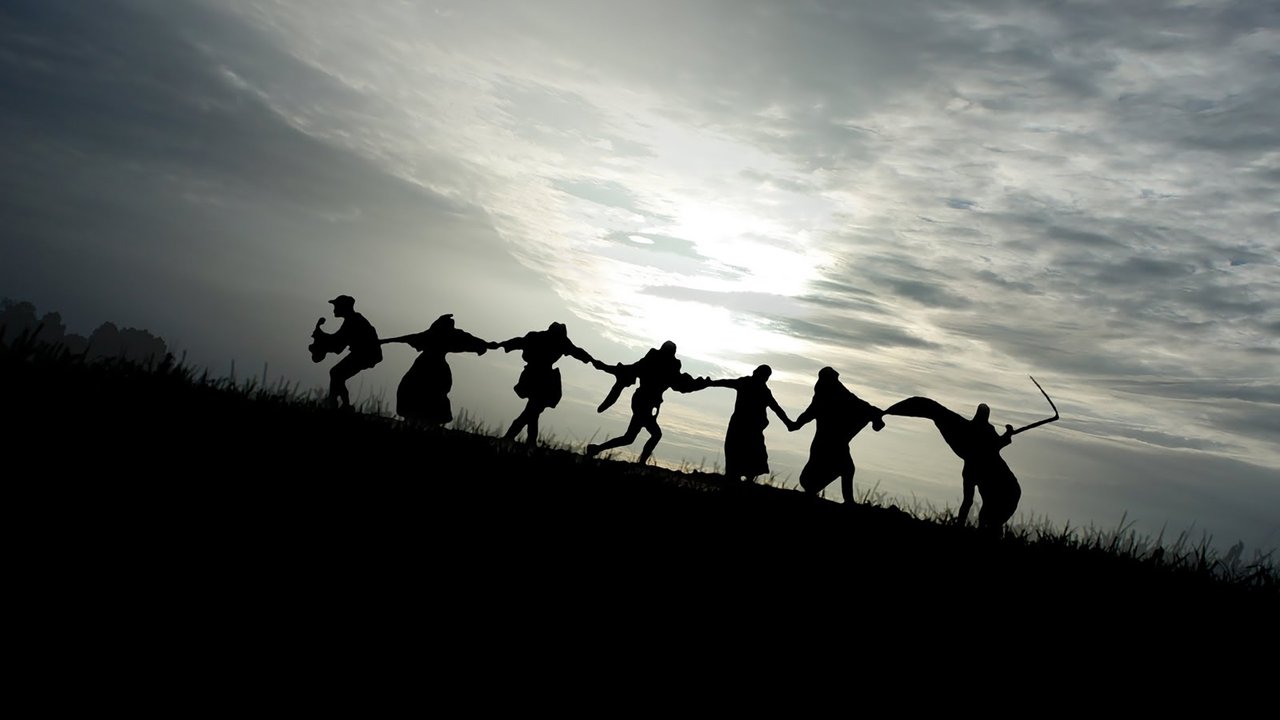
JONS: What is this supposed to represent?
PAINTER: The Dance of Death.
JONS: And that one is Death?
PAINTER: Yes, he dances off with all of them.
JONS: Why do you paint such nonsense?
A cynical squire encounters a painter creating a fresco of the Dance of Death. They engage in a philosophical debate about the purpose of art, fear, and mortality, with the painter defending his macabre subject matter as a means to provoke thought.
JONS: What is this supposed to represent?
PAINTER: The Dance of Death.
JONS: And that one is Death?
PAINTER: Yes, he dances off with all of them.
JONS: Why do you paint such nonsense?
Format: Duologue · Genre: Drama · Source: The Seventh Seal · Author: Ingmar Bergman · Characters: JONS, PAINTER
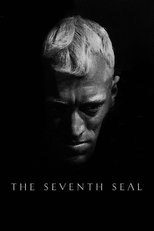
This gripping duologue, "The Dance of Death," extracted from the modern-classic film The Seventh Seal, offers a profound exploration of human mortality and the role of art. Set against the stark backdrop of a church, it presents a compelling debate between two contrasting philosophies. The scene features Jons, a cynical squire, and a Painter, who is diligently working on a macabre fresco depicting the Dance of Death, leading to an intense exchange about fear, purpose, and the inescapable nature of death.
Jons embodies sharp cynicism and a pragmatic, almost fatalistic, view of life. He questions the value of art that instills fear, preferring that which brings comfort or happiness, though his underlying weariness suggests a deep understanding of suffering. The Painter, on the other hand, is a passionate artist and a philosopher in his own right, defending his confrontational art as a necessary catalyst for thought, even if that thought leads to fear. He sees his work as a reflection of reality, a means to confront difficult truths rather than to escape them, and possesses a detached yet profound perspective on his own mortality.
This duologue is an exceptional choice for auditions due to its rich, intense tone and the profound philosophical depth it offers. Actors can showcase their ability to handle complex, intellectual dialogue while simultaneously conveying deep emotional undercurrents of cynicism and profound artistic conviction. The contrast between Jons' grounded skepticism and the Painter's contemplative artistry provides ample opportunity for dynamic interplay and distinct character portrayal within a concise two-minute format.
This scene is ideally suited for male actors in the 35-45 age range looking to portray complex character types. It's particularly effective for those who can embody a "Cynic" or "Philosopher," or for "Character Actors" who thrive on nuanced, dialogue-driven performances. Actors with a "Working Class" or "Artist" sensibility, who can bring authenticity and gravitas to their characters, will find this piece allows them to fully demonstrate their range and intensity, especially for drama school auditions, general practice, or self-tapes.
When performing this scene, lean into the intellectual sparring match between the characters, allowing the philosophical debate to drive your performance. For Jons, focus on conveying his world-weariness and the biting wit of his cynicism, ensuring his arguments land with a sense of grounded truth. For the Painter, channel his fervent artistic conviction and the quiet intensity of his belief, letting his defense of challenging art come from a place of genuine purpose rather than mere provocation. Pay close attention to the rhythm of the dialogue, using the contrasting viewpoints to build tension and reveal the characters' deeper beliefs.