Film
duologue
Horror

The Covenant and the Locket

from Nosferatu

Written by Robert Eggers

Nosferatu

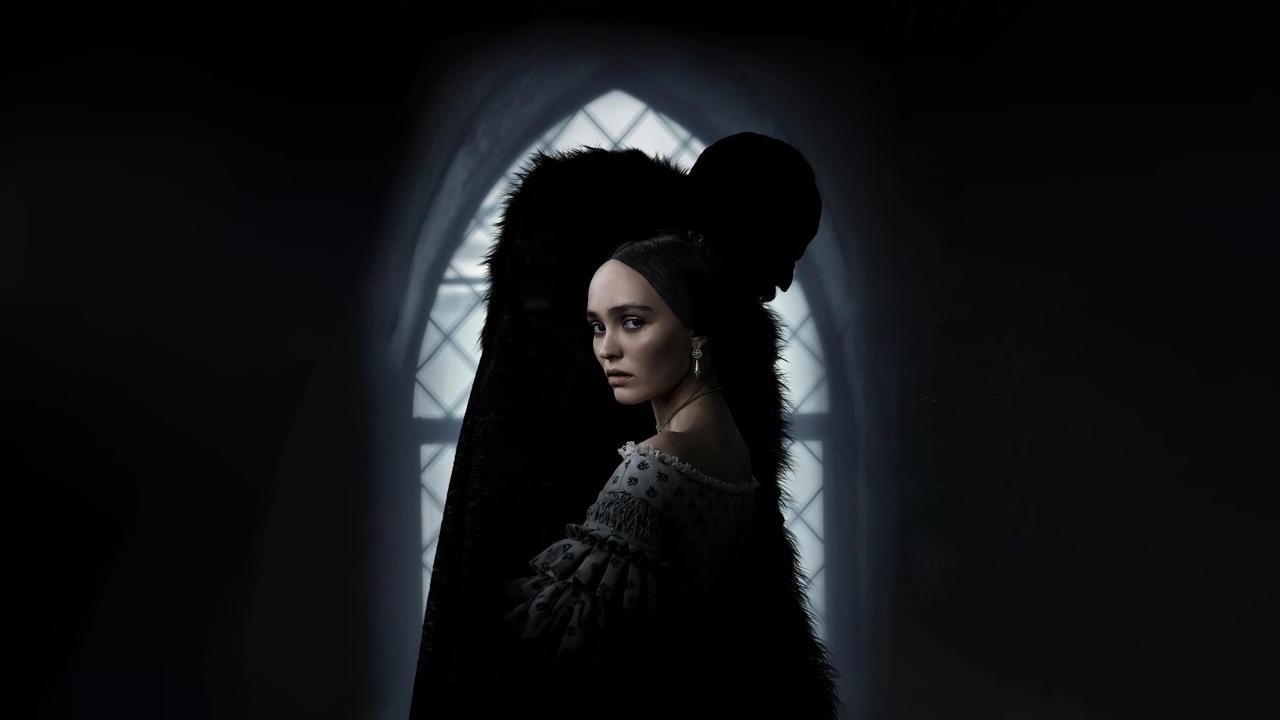
Thomas Hutter completes a real estate transaction with the mysterious Count Orlok in his dark castle. The tension rises as Orlok becomes obsessed with a locket containing a photo of Thomas's wife, eventually forcing Thomas to remain at the castle against his will.

Start a free 7-day trial — 5 downloads a day, unlimited when Pro begins

Rehearse this scene
Rehearse on your terms

Choose your role and voices for the other characters. Run the scene at your own pace.

Scene PreviewExcerpt — subscribe to read full scene

ORLOK

A maiden’s token, I see. Your bride?

THOMAS

Oh, just so. It... yes.

ORLOK

May I?

THOMAS

Of course.

ORLOK

You are fortunate in your love.
End of preview. Continue with Pro below.

7 days freeYour next rehearsal starts here

Found your next scene? Make it yours.

Start your free trial and read The Covenant and the Locket in full, with access to 1,000+ monologues and scenes to explore next.

  • Read the full scene and explore the library
  • Download your script in a clean, printable format
  • Take it into rehearsal with the Script Reader
Casting Types
Get Feedback
Coming Soon

Want expert coaching on this scene?

Browse our curated list of acting coaches, dialect specialists, and more.

Find a Coach

Need representation?

Browse verified agents and casting directors in our directory.

Scene Notes & Audition Tips

5 sections
About This Scene

This three-minute duologue, "The Covenant and the Locket," from the film *Nosferatu*, offers a contemporary take on classic gothic horror. The scene features a high-stakes encounter between Thomas, a real estate agent, and the imposing Count Orlok within the confines of his dark castle. The tension steadily escalates as Orlok's fascination with a locket containing Thomas's wife's photograph grows, culminating in Thomas's forced detainment.

Character Analysis

Orlok is a powerful and unsettling figure, embodying the 'Villain,' 'Authority Figure,' and 'Outsider' casting types. He operates with an air of sophisticated menace, his intense demeanor revealing a predatory nature lurking beneath a thin veneer of civility. Thomas, conversely, starts as a more grounded character, likely a professional, but quickly devolves into a state of increasing anxiety and fear as he realizes the danger he is in. He is a man trapped, a victim caught in the powerful orbit of a supernatural being.

Why This Works for Auditions

This scene is an excellent choice for auditions due to its clear power dynamic and escalating tension, providing rich emotional territory for actors to explore. The contemporary setting of this *Nosferatu* adaptation allows for a modern interpretation of classic horror archetypes, appealing to a broad range of casting directors. Its three-minute duration is also ideal for demonstrating substantial acting chops within a typical audition timeframe, making it suitable for drama school auditions, self-tapes, and general practice.

Best Suited For

"The Covenant and the Locket" is particularly well-suited for male actors in the 25-35 age range looking to showcase their ability to portray intense, sophisticated, or villainous roles. Actors comfortable with gothic horror and supernatural themes will find this piece compelling. It’s an ideal choice for those aiming for 'Villain' or 'Authority Figure' casting, but also allows for a complex portrayal of a character under duress, great for 'Intense' or more dramatic roles.

Performance Tips

When approaching Orlok, focus on conveying a chilling stillness and a quiet intensity that hints at immense power and ancient evil. Think about the subtext of his politeness – is it genuine, a facade, or a psychological tactic? For Thomas, the key lies in a gradual descent into fear and desperation. Start grounded and professional, then allow the dread to slowly creep in, manifesting in subtle shifts in posture, vocal tone, and eye contact as he comprehends his perilous situation. Pay close attention to the power dynamic and how it shifts throughout the scene.

Explore this topic