Skip to content
    Film
    duologue
    Thriller
    Drama

    The Double Indemnity Clause

    from Double Indemnity

    Written by Billy Wilder, Raymond Chandler

    Double Indemnity

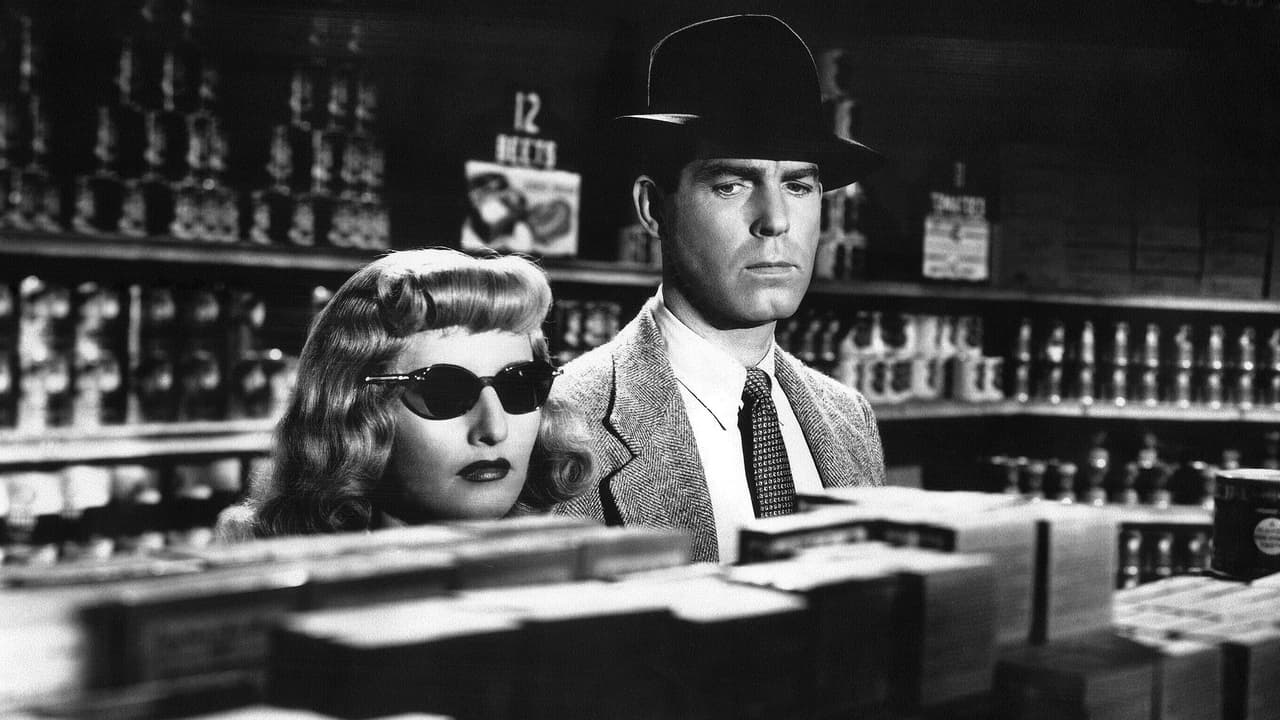
    Walter Neff explains the double indemnity clause to Phyllis as they plot to murder her husband on a train to maximize the insurance payout.

    Start a free 7-day trial — 5 downloads a day, unlimited when Pro begins

    Rehearse this scene
    Rehearse on your terms

    Choose your role and voices for the other characters. Run the scene at your own pace.

    Scene PreviewExcerpt — subscribe to read full scene

    PHYLLIS

    All right, Walter?

    NEFF

    Fine.

    PHYLLIS

    He signed it, didn't he?

    NEFF

    Sure he signed it. You saw him.

    NEFF

    Watch it, will you.
    End of preview. Continue with Pro below.

    7 days freeYour next rehearsal starts here

    Found your next scene? Make it yours.

    Start your free trial and read The Double Indemnity Clause in full, with access to 5,500+ monologues and scenes to explore next.

    • Read the full scene and explore the library
    • Download your script in a clean, printable format
    • Take it into rehearsal with the Script Reader
    Casting Types
    Get Feedback
    Coming Soon

    Want expert coaching on this scene?

    Browse our curated list of acting coaches, dialect specialists, and more.

    Find a Coach

    Need representation?

    Browse verified agents and casting directors in our directory.

    Scene Notes & Audition Tips

    5 sections
    About This Scene

    This intense duologue from "Double Indemnity" features the characters Phyllis and Neff discussing their sinister plot. Set firmly in the modern-classic film noir period, the scene captures the conspiratorial atmosphere as Neff meticulously outlines the infamous "double indemnity" clause to Phyllis. Their conversation revolves around maximizing an insurance payout by orchestrating the murder of Phyllis's husband on a train, a chilling plan revealed through their precise and measured dialogue.

    Character Analysis

    Phyllis, often considered the quintessential femme fatale, exhibits a potent blend of cunning and manipulative allure in this scene. Her character needs to convey a simmering intensity beneath a seemingly calm exterior, driven by greed and a calculated desire for freedom. Neff, the male lead, embodies the anti-hero or leading man, initially seduced by Phyllis but also a seasoned professional who understands the intricate details of their criminal endeavor. Both characters are in their 30s-40s, demanding actors who can portray complex layers of attraction, ambition, and moral ambiguity.

    Why This Works for Auditions

    This scene offers a phenomenal opportunity for actors to showcase nuanced performances rooted in high stakes and palpable tension. The "Double Indemnity Clause" provides rich material for demonstrating an actor's ability to navigate complex emotional beats without resorting to overt melodrama, instead relying on subtext and subtle shifts in demeanor. Its tight duologue format allows both actors ample stage time to explore their character's motivations and reactions, making it ideal for self-tapes or an agent-showcase where clarity and control are paramount.

    Best Suited For

    This scene is particularly well-suited for actors aiming to portray characters with a dark edge, specifically those targeting roles as a Leading Man, Femme Fatale, or Criminal. It’s excellent for actors in the 35-45 age range who can confidently embody the sophisticated yet dangerous qualities required of these film noir archetypes. The material is also perfect for general practice, allowing performers to hone their craft in depicting intense emotional undercurrents and manipulative intent.

    Performance Tips

    When approaching this scene, actors should focus on the subtext and unspoken desires driving Phyllis and Neff. Consider the power dynamics at play; who is leading whom, and how does that shift throughout the conversation? Pay close attention to moments of stillness and significant glances, as these often communicate more than the dialogue itself in a film noir context. Maintain a grounded intensity, letting the danger and mutual understanding build subtly rather than overtly, which will amplify the scene's chilling impact.

    No ratings yet
    Sign in to rate