Skip to content
    Film
    monologue
    Drama
    Thriller

    The End of the Line

    from Double Indemnity

    Written by Billy Wilder, Raymond Chandler

    Double Indemnity

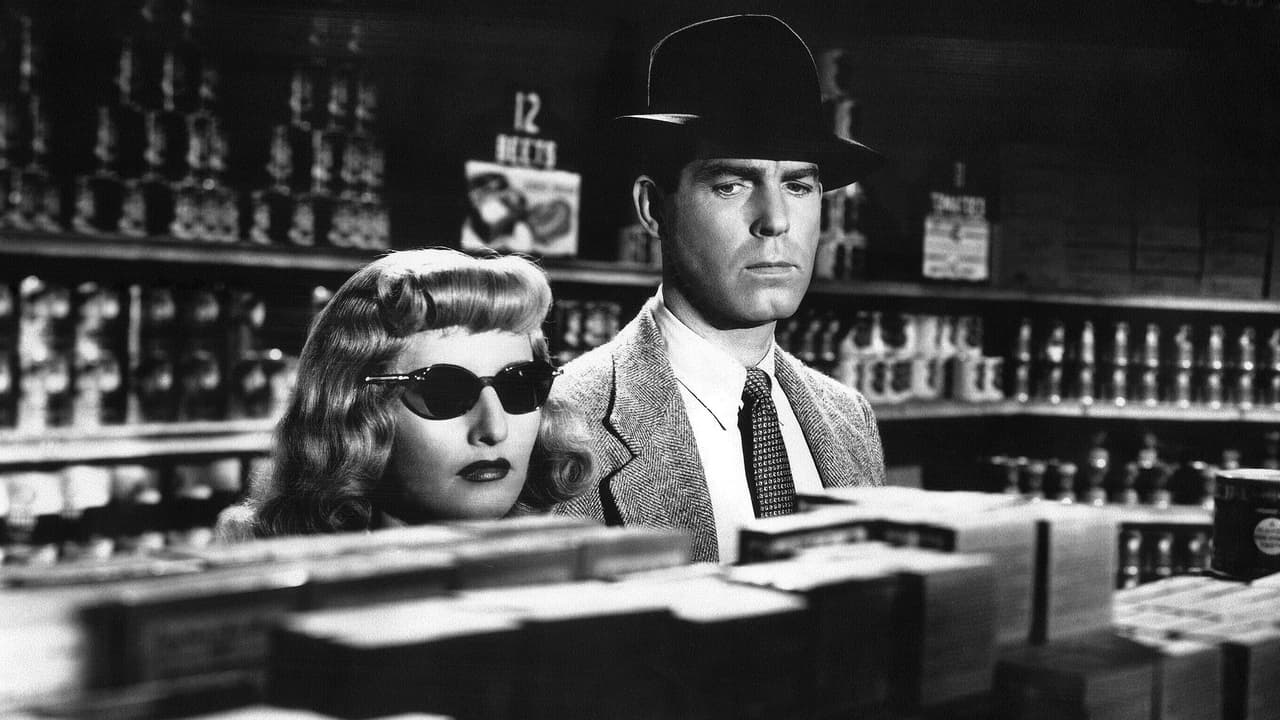
    Neff confesses his growing paranoia and desperation as he realizes his accomplice Phyllis holds the power to destroy him.

    Start a free 7-day trial — 5 downloads a day, unlimited when Pro begins

    Rehearse on your terms

    Take this monologue into rehearsal and work through it at your own pace.

    Scene PreviewExcerpt — subscribe to read full scene

    NEFF

    Yeah, I remembered it all right. Just as I remembered what you had told me, Keyes, about that trolley car ride, and how there was no way to get off until the end of the line, where the cemetery was. And I got to thinking what cemeteries are for. They're to put dead people in, I guess that was the first time I ever thought about Phyllis that way.…

    End of preview. Continue with Pro below.

    7 days freeYour next rehearsal starts here

    Found your next scene? Make it yours.

    Start your free trial and read The End of the Line in full, with access to 5,500+ monologues and scenes to explore next.

    • Read the full scene and explore the library
    • Download your script in a clean, printable format
    • Take it into rehearsal with the Script Reader
    Casting Types
    Get Feedback
    Coming Soon

    Want expert coaching on this scene?

    Browse our curated list of acting coaches, dialect specialists, and more.

    Find a Coach

    Need representation?

    Browse verified agents and casting directors in our directory.

    Scene Notes & Audition Tips

    5 sections
    About This Scene

    This monologue from *Double Indemnity* captures the escalating dread and internal conflict of Walter Neff, an insurance salesman caught in a web of deceit. He recounts his growing paranoia and the horrifying realization that his accomplice, Phyllis Dietrichson, holds his life in her hands. The scene is steeped in classic film noir atmosphere, revealing Neff's descent into desperation as he contemplates extreme measures to reclaim control of his fate. It's a powerful moment of confession, laying bare the psychological toll of his choices.

    Character Analysis

    Walter Neff is a quintessential anti-hero: charming, intelligent, and initially driven by a desire for easy money and illicit romance, but ultimately trapped by his own actions. In this monologue, he reveals a man at a breaking point, consumed by paranoia and a chilling pragmatism. His internal monologue shifts from fear to a nascent, terrifying thought of violence, highlighting his moral decay. Neff is complex, evoking both sympathy for his predicament and revulsion for his complicity, making him a compelling study of a character cornered by his own ambition.

    Why This Works for Auditions

    This monologue offers an actor a fantastic opportunity to showcase sustained tension, internal struggle, and emotional complexity. The dark, confessional tone allows for a deep exploration of psychological realism and a character's unraveling mind. Its duration is perfect for demonstrating dynamic range within a concise timeframe, building from a sense of dread to a chilling contemplation. Actors can highlight their ability to portray a character wrestling with profound moral compromises and facing dire consequences.

    Best Suited For

    This piece is ideally suited for male actors in the 35-45 age range who excel at portraying intense, morally ambiguous characters. It's excellent for drama school auditions, agent showcases, and self-tapes where an actor needs to demonstrate a strong grasp of dramatic text and a capacity for complex character work. Actors looking to portray a 'Leading Man,' 'Anti-Hero,' or even an 'Everyman' corrupted by circumstances will find this piece particularly effective.

    Performance Tips

    Approach this monologue with a sense of quiet desperation, allowing Neff's internal conflict to simmer beneath the surface. Focus on the progression of his thought process, from memory to growing fear, and then to the shocking shift in his perception of Phyllis. Pay close attention to the visual imagery Neff uses, like the "trolley car ride" and "cemetery," to ground his abstract fears in concrete details. Resist the urge to overplay the paranoia; instead, let it build organically through a clear understanding of his stakes and his growing sense of entrapment.

    No ratings yet
    Sign in to rate