
Film
monologue
Drama
Romance

The Ghost of the Great-Grandmother

from Before Sunrise

Written by Richard Linklater, Kim Krizan

Before Sunrise

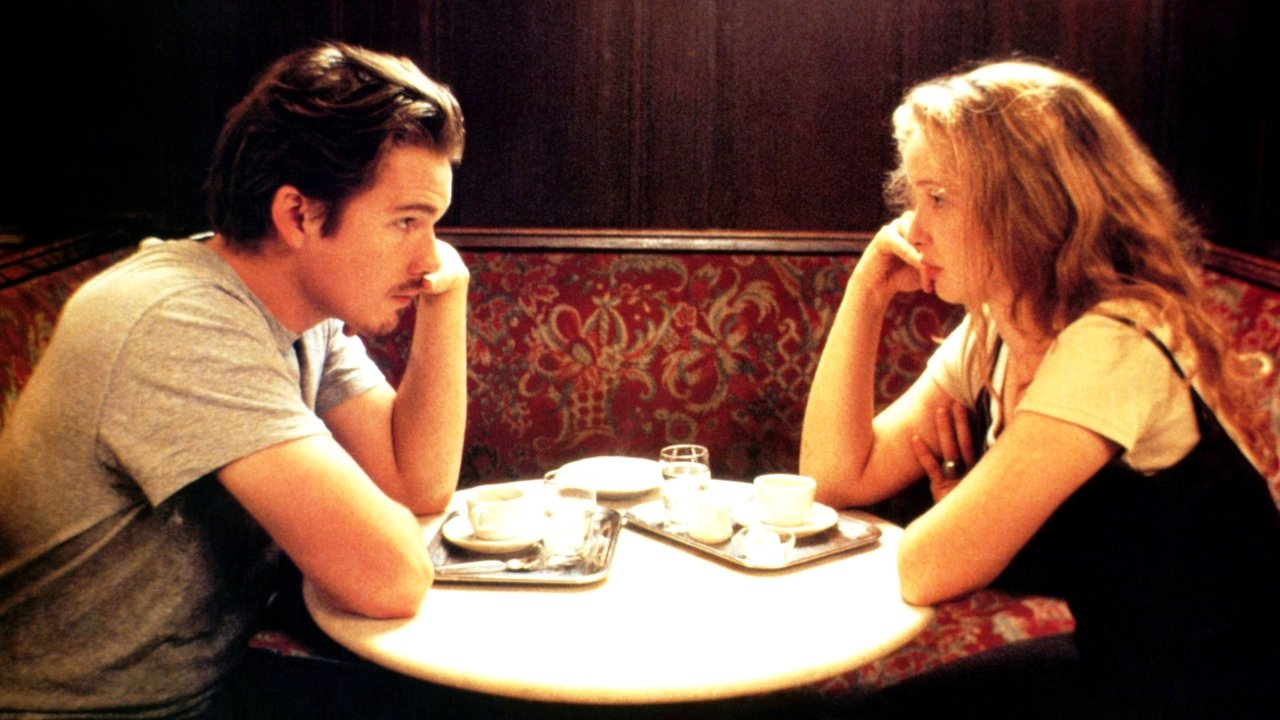
Jesse recounts a childhood memory of seeing his deceased great-grandmother in a rainbow, explaining why he no longer fears death.

Start a free 7-day trial — 5 downloads a day, unlimited when Pro begins

Rehearse on your terms

Take this monologue into rehearsal and work through it at your own pace.

Scene PreviewExcerpt — subscribe to read full scene

JESSE

Yeah, but despite plenty of bullshit, I still remember being a kid as a magical time. I remember my mom explaining death to me, and telling me that my great-grandmother in Florida had died. The whole family had just visited them. I must have been three, three and a half years old. Anyway, I was playing in the backyard a day or so later, and my…

End of preview. Continue with Pro below.

7 days freeYour next rehearsal starts here

Found your next scene? Make it yours.

Start your free trial and read The Ghost of the Great-Grandmother in full, with access to 4,000+ monologues and scenes to explore next.

  • Read the full scene and explore the library
  • Download your script in a clean, printable format
  • Take it into rehearsal with the Script Reader
Casting Types
Get Feedback
Coming Soon

Want expert coaching on this scene?

Browse our curated list of acting coaches, dialect specialists, and more.

Find a Coach

Need representation?

Browse verified agents and casting directors in our directory.

Scene Notes & Audition Tips

5 sections
About This Scene

This compelling monologue features Jesse from *Before Sunrise*, a film celebrated for its naturalistic dialogue and introspective themes. In this piece, Jesse shares a profound and deeply personal childhood memory of encountering the "ghost" of his recently deceased great-grandmother within a rainbow. This pivotal moment from his early life shaped his perception of mortality, leading him to an uncommon comfort with the idea of death. It's a vulnerable and introspective exploration of memory, spirituality, and the often-magical interpretations of a child's mind.

Character Analysis

Jesse, in this monologue, presents as a thoughtful and introspective young man, likely in his early twenties. He carries an underlying sense of romanticism, tempered by a contemporary, slightly cynical awareness, as hinted by his opening line about "plenty of bullshit." His vulnerability shines through as he recounts such a personal and almost mystical experience, revealing a character who processes the world with a unique blend of wonder and groundedness. This piece offers a glimpse into his core beliefs, showcasing his capacity for deep emotion and his unconventional wisdom regarding life and loss.

Why This Works for Auditions

This monologue is an excellent choice for auditions because it showcases an actor's ability to navigate complex emotional territory with subtlety and genuine connection. It provides ample opportunity to demonstrate vulnerability, sincerity, and storytelling prowess without resorting to overt histrionics. The naturalistic dialogue and contemporary setting make it highly relatable, allowing actors to bring their authentic selves to the performance. It effectively highlights an actor's capacity for interiority and nuanced emotional expression, crucial skills for many roles.

Best Suited For

This scene is particularly well-suited for male actors in the 18-25 age range, aligning with Jesse's character in his early twenties. It's ideal for those casting types identified as Romantic Lead, Everyman, or Vulnerable, as it allows an actor to embody charm, relatability, and deep emotional sensitivity. The piece's introspective nature makes it perfect for drama school auditions, agent showcases, or self-tapes where demonstrating genuine emotional depth and authentic storytelling is paramount. Actors who can convey a sense of wonder and quiet conviction will find this monologue especially effective.

Performance Tips

When approaching this monologue, focus on Jesse's genuine sense of wonder and belief in his childhood experience. Avoid over-dramatizing the "ghost" aspect; instead, ground it in the truth of a child's imagination and the lasting impact it had on him. Emphasize the conversational, almost confidential tone, as if sharing a secret or a profound realization with someone he trusts. Pay attention to the shifts in his emotional landscape, from the initial setup of explaining death to the vivid recounting of the rainbow vision, and finally, the quiet conviction of his conclusion. Let the words flow naturally, allowing his vulnerability and sincerity to shine through.

Explore this topic