Film
duologue
Comedy-Drama

The Impact of the Mother

from 20th Century Women

Written by Mike Mills

20th Century Women

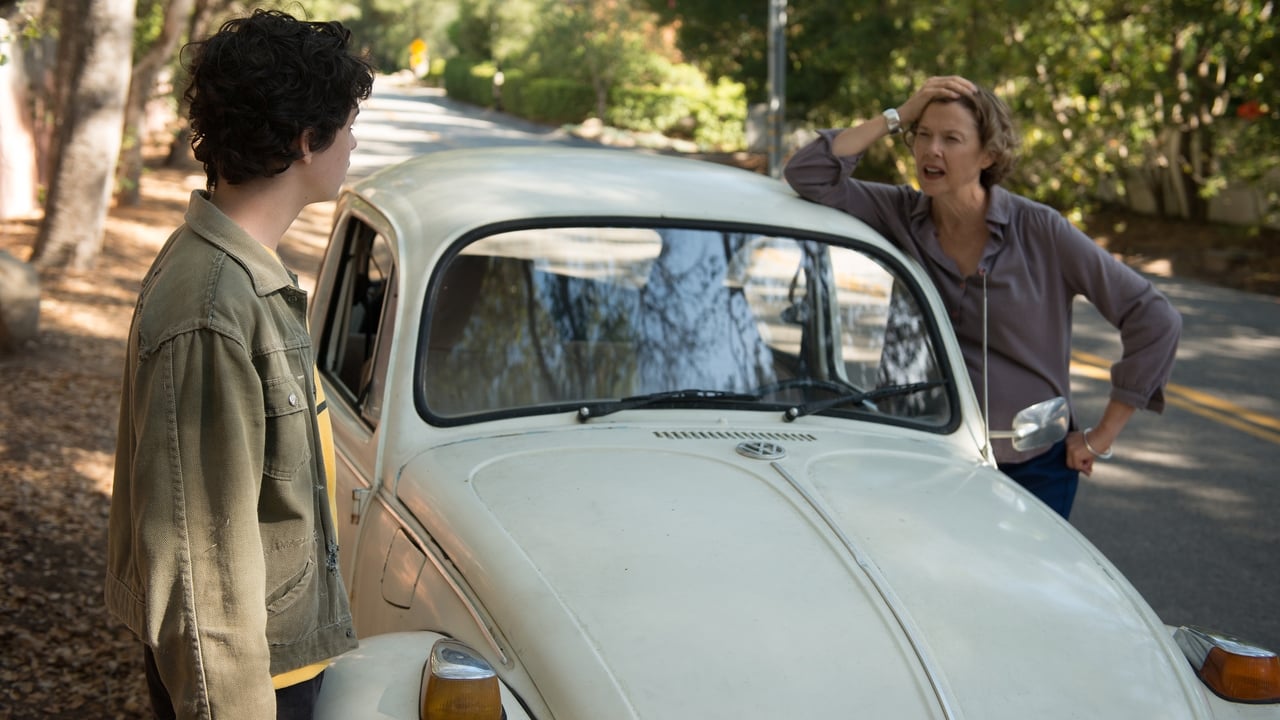
Dorothea confronts Julie about her late-night habits and her influence on Dorothea's son. The conversation shifts when Julie, despite her youth, challenges Dorothea's own emotional stagnation and her history of failed romantic relationships.

Start a free 7-day trial — 5 downloads a day, unlimited when Pro begins

Rehearse this scene
Rehearse on your terms

Choose your role and voices for the other characters. Run the scene at your own pace.

Scene PreviewExcerpt — subscribe to read full scene

DOROTHEA

I saw you, leaving. Please don’t turn me into the cop here, that’s so boring you know?

JULIE

It’s nothing, I just end up there sometimes.

DOROTHEA

What do you guys do?

JULIE

I just sleep there. We talk.

JULIE

Can I have one?

End of preview. Continue with Pro below.

7 days freeYour next rehearsal starts here

Found your next scene? Make it yours.

Start your free trial and read The Impact of the Mother in full, with access to 3,000+ monologues and scenes to explore next.

  • Read the full scene and explore the library
  • Download your script in a clean, printable format
  • Take it into rehearsal with the Script Reader
Casting Types
Get Feedback
Coming Soon

Want expert coaching on this scene?

Browse our curated list of acting coaches, dialect specialists, and more.

Find a Coach

Need representation?

Browse verified agents and casting directors in our directory.

Scene Notes & Audition Tips

5 sections
About This Scene

This compelling duologue from the film *20th Century Women* features Dorothea, a fifty-something single mother, and Julie, a seventeen-year-old family friend, in a vulnerable and surprisingly honest exchange. What begins as Dorothea's gentle probe into Julie's late-night activities and influence on her son quickly shifts into a profound and unexpected reversal. Julie, with youthful candor, challenges Dorothea's own emotional landscape, particularly regarding her romantic past and present.

Character Analysis

Dorothea is a complex matriarch, seemingly wanting to understand and guide the younger generation, yet she’s unexpectedly confronted with her own vulnerabilities. She presents as a 50s woman who can be stern and traditional but also reveals a deeper, more uncertain side. Julie, despite her young age, possesses a remarkable insight and directness, acting as an unintentional therapist who bravely holds a mirror up to Dorothea's life choices. Both characters are layered, navigating generational differences while seeking connection and understanding.

Why This Works for Auditions

This scene offers excellent material for auditions due to its sharp, realistic dialogue and significant emotional arc for both characters. It’s a comedy-drama that allows actors to showcase range, moving from conversational probing to profound personal revelations. The immediate power dynamic shift provides a dynamic acting challenge, demonstrating an actor's ability to listen, react, and pivot emotionally. Its contained nature and clear beats make it perfect for self-tapes and agent showcases, requiring no complex blocking or props.

Best Suited For

This duologue is perfectly suited for actors portraying female characters aged 45-55 (Dorothea) and 17 (Julie), aligning with roles seeking a Matriarch, Teenager, or Leading Lady type. It particularly shines for performers who can convey a sense of vulnerability and intensity, exploring the subtle nuances of a complex relationship. Actors aiming for roles that require a blend of humor, drama, and deep emotional honesty will find this scene to be an ideal showcase.

Performance Tips

For Dorothea, focus on the underlying discomfort beneath her seemingly casual questioning; she's trying to connect but also reveal herself. Allow her initial authority to gradually erode as Julie's points land, revealing her genuine vulnerability and past regrets. For Julie, play into her youthful perceptiveness and directness without being disrespectful; her observations come from a place of genuine (if blunt) insight. Both actors should prioritize active listening and reactions, letting the surprising turns of the conversation organically reshape their characters' emotional states.

Explore this topic