Skip to content
    Tv
    duologue
    Drama
    Thriller

    The Incel Interrogation

    from Adolescence

    Written by Stephen Graham

    Adolescence

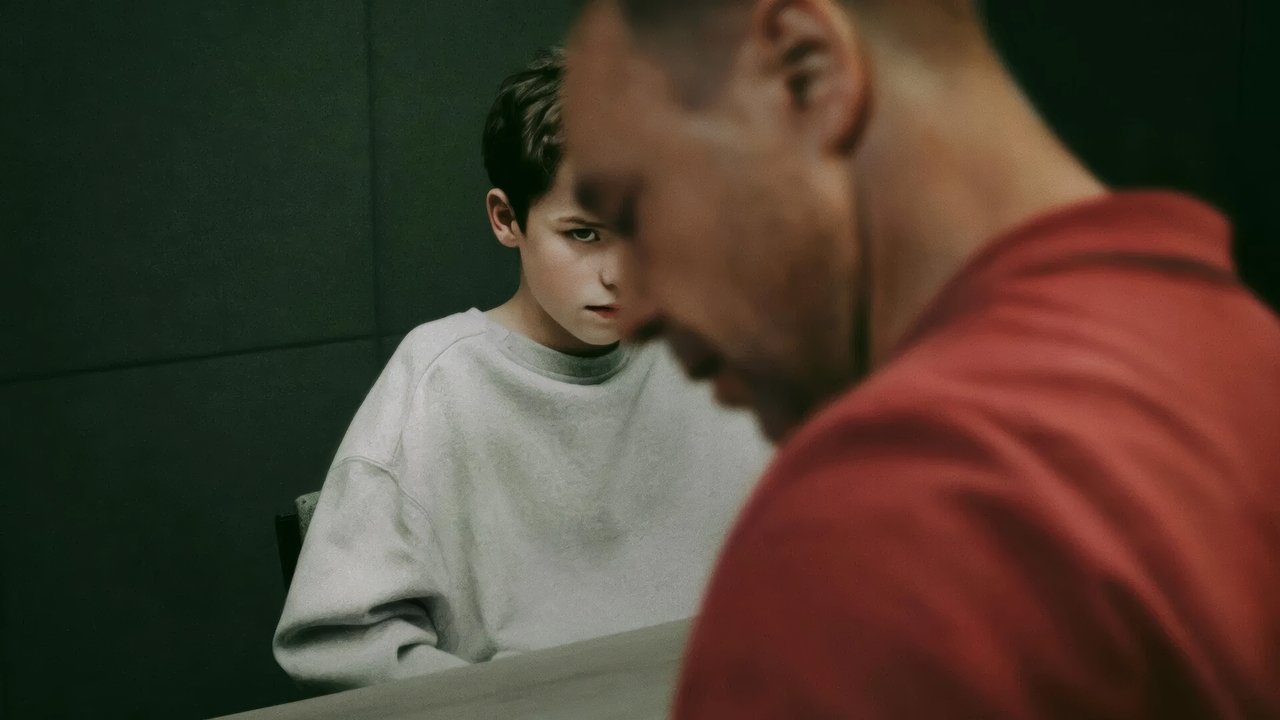
    Briony interrogates Jamie, a teenager who reveals his obsession with incel culture and his resentment toward a girl he is accused of killing.

    Start a free 7-day trial — 5 downloads a day, unlimited when Pro begins

    Rehearse this scene
    Rehearse on your terms

    Choose your role and voices for the other characters. Run the scene at your own pace.

    Scene PreviewExcerpt — subscribe to read full scene

    BRIONY

    She wrote this on your Instagram feed -

    JAMIE

    Because I’m only 13 and don’t think I look that - scary so -

    BRIONY

    What do these emojis mean?

    JAMIE

    How embarrassing is that? Wow.

    BRIONY

    Can you tell me what these emojis mean? What does the kidney beans mean? These are kidney beans, right?

    End of preview. Continue with Pro below.

    7 days freeYour next rehearsal starts here

    Found your next scene? Make it yours.

    Start your free trial and read The Incel Interrogation in full, with access to 5,500+ monologues and scenes to explore next.

    • Read the full scene and explore the library
    • Download your script in a clean, printable format
    • Take it into rehearsal with the Script Reader
    Casting Types
    Get Feedback
    Coming Soon

    Want expert coaching on this scene?

    Browse our curated list of acting coaches, dialect specialists, and more.

    Find a Coach

    Need representation?

    Browse verified agents and casting directors in our directory.

    Scene Notes & Audition Tips

    5 sections
    About This Scene

    This gripping contemporary duologue from the television drama Adolescence, written by Stephen Graham, captures a tense and revealing murder investigation. Detective figure Briony questions thirteen-year-old Jamie about online social media comments, internet subcultures, and his resentment toward a girl he is accused of killing. Over three intense minutes, their quiet interaction demonstrates how digital bullying, teenage alienation, and modern radicalization collide inside an interrogation room.

    Character Analysis

    Briony embodies controlled authority, maintaining sharp professional focus while carefully dissecting the motivations of an adolescent suspect. She listens keenly and guides the questioning with deliberate patience, never allowing personal shock to derail her inquiry. Jamie is an isolated outsider caught between youthful insecurity and deeply internalized resentment. He attempts to downplay his connection to toxic internet groups, yet his raw self-loathing and simmering bitterness reveal the dangerous depths of his mindset.

    Why This Works for Auditions

    The piece offers actors a brilliant showcase for nuanced, high-stakes screen acting that completely avoids theatrical melodrama. Casting directors will immediately see an actor's capacity for subtext, rhythmic timing, and stillness under immense pressure. For the authority role, it highlights laser-sharp focus, status, and observational precision. For the youth role, it tests your ability to portray defensive vulnerability alongside a chilling, quiet detachment.

    Best Suited For

    This material is exceptionally well suited for self-tape submissions, drama school auditions, and advanced camera practice. It provides fantastic opportunities for performers targeting casting types such as detectives, authority figures, alienated outsiders, and intense youth characters. Actors in their thirties or forties will find Briony a rewarding dramatic showcase, while young performers can tackle a demanding, grounded portrait of modern adolescent isolation.

    Performance Tips

    Avoid playing the dramatic outcome of the scene and concentrate instead on the psychological chess match between the two characters. Briony should treat every inquiry as a calculated tactical step, keeping her vocal delivery measured and her reactions observant. If playing Jamie, resist the urge to play a one-dimensional villain; instead, anchor the performance in genuine awkwardness, physical discomfort, and the painful self-image driving his quiet hostility.

    No ratings yet
    Sign in to rate