
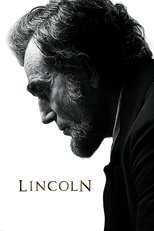
The Legal Logic of Emancipation — Lincoln

President Abraham Lincoln meticulously outlines the complex legal and constitutional paradoxes he navigated to justify the Emancipation Proclamation. He explains the necessity of passing the Thirteenth Amendment to ensure that freed slaves are not returned to bondage once his wartime powers expire.

LINCOLN: I decided that the Constitution gives me war powers, but no one knows just exactly what those powers are. Some say they don't exist. I don't know. I decided I needed them to exist to uphold my oath to protect the Constitution, which I decided meant that I could take the rebels' slaves from 'em as property confiscated in war. That might recommend…

Format: Monologue · Genre: Drama · Source: Lincoln · Author: Tony Kushner · Characters: Lincoln

About This Scene

This powerful dramatic monologue features President Abraham Lincoln as he meticulously dissects the intricate legal rationale behind the Emancipation Proclamation. The scene showcases Lincoln grappling with profound constitutional questions and the moral imperative of his actions, revealing his strategic mind and deep commitment to the Union. It’s a compelling exploration of leadership under immense pressure, making it an excellent vehicle for showcasing dramatic range and intellectual depth.

Character Analysis

Lincoln, in this scene, is presented as a shrewd and intellectually rigorous leader, navigating an unprecedented moral and legal quagmire. He demonstrates a profound understanding of law and rhetoric, using a conversational yet precise tone to articulate convoluted arguments. The character embodies the weight of historical responsibility, displaying a blend of weariness, determination, and a dry, self-aware wit. His age and experience are central to his authority and the gravitas of his delivery.

Why This Works for Auditions

This monologue is incredibly effective for auditions because it demands a sophisticated understanding of complex material and a nuanced performance. It offers a sustained opportunity to showcase intellectual capacity, vocal control, and the ability to convey profound interiority without external theatrics. The intricate text allows actors to demonstrate their skill in tracking detailed arguments and maintaining focus within a longer dialogue, which is highly valued in casting.

Best Suited For

This piece is ideally suited for male actors aged 55 and above who can embody an authoritative and intelligent presence. It's particularly strong for auditions targeting roles that require gravitas, political acumen, and a deep sense of moral conviction, fitting casting types like an Authority Figure, Patriarch, Politician, or Leading Man. Its historical context and powerful tone make it perfect for drama school auditions, agent showcases, self-tapes, and general practice for dramatic roles.

Performance Tips

When approaching this monologue, focus on Lincoln's internal struggle and the precision of his language. Rather than simply delivering lines, strive to embody the mental process of constructing and deconstructing these complex legal arguments. Pay close attention to the subtle shifts in his tone as he moves between outlining the problem, admitting his strategic maneuvers, and revealing his hopeful determination. Allow the weight of his historical mission to inform your body language and vocal delivery, conveying both his intellect and his profound moral conviction.