
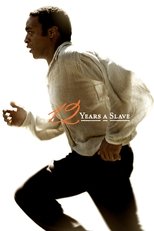
Film
monologue
Drama

The Weight of Freedom

from 12 Years a Slave

Written by John Ridley, Steve McQueen

12 Years a Slave

Jasper, an enslaved man traveling north, discreetly approaches a free man to express his desperate longing for freedom and his fear of recapture.

Start a free 7-day trial — 5 downloads a day, unlimited when Pro begins

Rehearse on your terms

Take this monologue into rehearsal and work through it at your own pace.

Scene PreviewExcerpt — subscribe to read full scene

JASPER

Suh... A word, suh? I could not help none but take note of yahself and yah family as yah made yah way. My congratulations to yah. Yah Missus and chil'ren be very handsome 'n must be'a great regard. My name, suh, is Jasper. I am travelin' to Saratoga with my massa. Massa Fitzgerald. And I will insist to yah, suh, that I am well provided fo'. Yah can…

End of preview. Continue with Pro below.

7 days freeYour next rehearsal starts here

Found your next scene? Make it yours.

Start your free trial and read The Weight of Freedom in full, with access to 4,000+ monologues and scenes to explore next.

  • Read the full scene and explore the library
  • Download your script in a clean, printable format
  • Take it into rehearsal with the Script Reader
Casting Types
Get Feedback
Coming Soon

Want expert coaching on this scene?

Browse our curated list of acting coaches, dialect specialists, and more.

Find a Coach

Need representation?

Browse verified agents and casting directors in our directory.

Scene Notes & Audition Tips

5 sections
About This Scene

This powerful monologue features Jasper, an enslaved man, as he cautiously approaches a free man to articulate his profound desire for liberty and the terrifying risks involved in pursuing it. Set during the antebellum period, though presented here as "contemporary" given the source film's modern production, the scene captures a pivotal moment of confession and vulnerability. It delves into the internal conflict between the perceived safety of servitude and the overwhelming yearning for self-determination, all while facing the dire consequences of failure.

Character Analysis

Jasper is a man living a life of enforced performance, outwardly appearing content and "well provided for," but inwardly harboring a desperate craving for freedom. He is intelligent and observant, carefully assessing his surroundings and the person he confides in. His carefully chosen words, alternating between feigned contentment and raw, conspiratorial honesty, reveal a complex individual grappling with immense hope and paralyzing fear. This monologue showcases his cunning, his deep emotional suppression, and his extraordinary courage in seeking a path to a life of his own choosing.

Why This Works for Auditions

This monologue is a superb choice for auditions due to its immediate dramatic hook and the actor's opportunity to portray profound internal conflict. It offers a clear journey from cautious introduction to a deeply vulnerable confession, allowing for a wide range of emotional expression within a short timeframe. The subtextual tension of his dangerous request, coupled with the detailed emotional landscape of hope and terror, provides rich material for an actor to demonstrate nuance, vocal control, and a strong grasp of character arc. The language, while period-specific, is accessible and evocative, allowing the actor to fully inhabit the character's mindset.

Best Suited For

This monologue is ideally suited for male actors aged 25-35 who are looking to showcase their ability to embody complex dramatic roles. It particularly shines for those categorized as Character Actors capable of portraying Vulnerable or Intense qualities, or actors who naturally fit Working Class or Outsider casting types. Its powerful emotional content and historical weight make it excellent for drama school auditions, agent showcases, or self-tapes where demonstrating range and emotional depth is paramount.

Performance Tips

When approaching Jasper's monologue, focus on the subtextual stakes of his confession. Every word carries immense risk, so consider the careful calibration of his initial pleasantries against the growing urgency of his true intent. Pay close attention to the shifts in his vocal quality and physical demeanor as he moves from guarded politeness to a desperate plea. The "conspiratorial" tone mentioned in the stage direction is key; let the audience feel the weight of his secret and the profound fear of recapture, balanced against the fierce, quiet longing for a life he can call his own.

Explore this topic