Film
monologue
sci-fi, crime, thriller

The Looper's Life

from Looper

Written by Rian Johnson

Looper

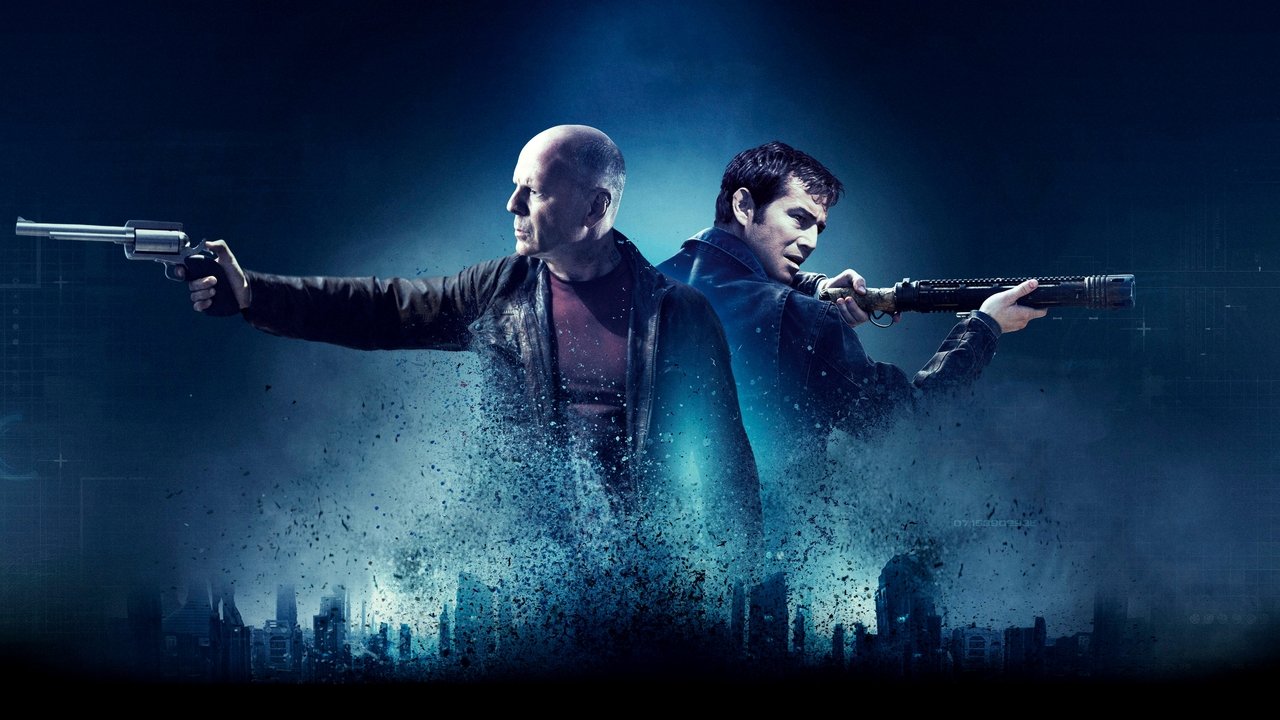
Joe explains the mechanics of his profession as a 'looper,' a hitman who executes targets sent back in time by a future mob. He details the cold logic of the job and the inevitable 'closing of the loop' where a looper must eventually kill their future self.

Start a free 7-day trial — 5 downloads a day, unlimited when Pro begins

Rehearse on your terms

Take this monologue into rehearsal and work through it at your own pace.

Scene PreviewExcerpt — subscribe to read full scene

JOE

Time travel has not been invented yet. But in thirty years it will be. The mechanical process it requires will be cheap and relatively accessible to the public at large. Needless to say, it will be instantly outlawed, with even unwitting accessories – family, friends, business partners – punished with death. This will not stop certain unscrupulous…

End of preview. Continue with Pro below.

7 days freeYour next rehearsal starts here

Found your next scene? Make it yours.

Start your free trial and read The Looper's Life in full, with access to 1,000+ monologues and scenes to explore next.

  • Read the full scene and explore the library
  • Download your script in a clean, printable format
  • Take it into rehearsal with the Script Reader
Casting Types
Get Feedback
Coming Soon

Want expert coaching on this scene?

Browse our curated list of acting coaches, dialect specialists, and more.

Find a Coach

Need representation?

Browse verified agents and casting directors in our directory.

Scene Notes & Audition Tips

5 sections
About This Scene

This monologue offers a detailed and gritty insight into the life of Joe, a "looper" in a dystopian future where time travel has been invented but outlawed. He meticulously explains the mechanics of his profession, from the clandestine nature of time-displaced targets to the financial benefits of his unique hitman role. The scene delves into the stark realities and cold logic that govern his existence, culminating in the chilling revelation of the "closing of the loop," a pivotal and personal aspect of his contract.

Character Analysis

Joe is a cynical and reflective individual, hardened by a life of crime and isolation. He presents himself as an "Everyman" who stumbled into an extraordinary profession, yet he embraces the pragmatic and often brutal aspects of his job with a detached professionalism. Beneath his calm exterior lies a sense of fatalism and acceptance of his predetermined path, making him a complex anti-hero. His quiet hobbies, like learning the banjo, hint at a deeper, perhaps more vulnerable, interior life that he keeps carefully guarded.

Why This Works for Auditions

This monologue is an excellent choice for auditions as it provides ample opportunity for an actor to showcase a wide range of nuanced emotions within a seemingly stoic character. The narrative structure, which moves between exposition and internal reflection, allows for strong vocal variation and character development. It is particularly effective for self-tapes and general practice, as the focus is entirely on the actor's ability to convey complex internal states and a compelling narrative without external interaction.

Best Suited For

This piece is ideally suited for male actors in their 30s to 40s who can convincingly portray a gritty, cynical, and reflective demeanor. It's perfect for those seeking roles that fall into the Anti-Hero, Criminal, Loner, or Gritty casting types. Actors who excel at conveying depth and inner turmoil with subtle expressions and vocal choices will find this monologue particularly impactful for agent showcases, demonstrating their ability to command attention and convey a powerful story.

Performance Tips

When approaching this monologue, focus on Joe's underlying resigned acceptance of his fate rather than outright anger or despair. Explore the seemingly contradictory elements of his character – the cold professional and the banjo-playing loner – to create a well-rounded portrayal. Pay close attention to the rhythm and pacing of his explanation, ensuring clarity in his description of the "looper" concept, while also allowing moments of reflection to land with impact. Let the "gritty" tone manifest in a grounded, authentic delivery, rather than an overly dramatic one, trusting the material to speak for itself.

Explore this topic