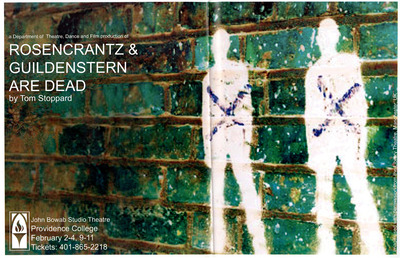
Rosencrantz spirally contemplates the nature of mortality and the claustrophobia of being dead in a coffin while Guildenstern grows increasingly agitated. The scene explores existential dread through absurd humor as the characters realize their lack of agency and the inevitability of their end.
ROS: Do you ever think of yourself as actually dead, lying in a box with a lid on it?
GUIL: No.
ROS: Nor do I, really . . . . It's silly to be depressed by it. I mean one thinks of it like being alive in a box, one keeps forgetting to take into account the fact that one is dead . . . which should make all the difference . . . shouldn't it?
GUIL: [jumps up…
ROS…
About This Scene
This compelling duologue, "The Nature of Death," plunges directly into a highly philosophical and comedic exploration of mortality and existence. Rosencrantz leads a spiraling, increasingly agitated contemplation of what it means to be dead, particularly focusing on the claustrophobic image of being confined in a coffin. Guildenstern, initially dismissive, becomes noticeably unsettled by Rosencrantz's relentless, absurd musings, highlighting the tonal shift from humorous to desperate as the scene progresses.
Character Analysis
Rosencrantz embodies the "Everyman" character grappling with profound existential dread, using humor and rambling logic to process overwhelming thoughts about mortality. His rapid-fire, almost stream-of-consciousness dialogue reveals a mind caught in a comedic yet terrifying loop of hypothetical scenarios. Guildenstern serves as an agitated counterpoint, initially attempting to ground Rosencrantz but ultimately succumbing to the palpable unease and frustration his companion's philosophical musings evoke.
Why This Works for Auditions
This scene is a fantastic choice for auditions due to its dynamic interplay between two distinct energies and its rich blend of absurdist humor with deep philosophical undertones. It offers actors ample opportunity to showcase intelligent comedic timing, vulnerability, and the ability to navigate complex text with a clear arc of emotional escalation. The duologue format allows for strong reactive acting, demonstrating how a character's internal state can be profoundly affected by external stimuli, even if that stimulus is simply another character's incessant talking.
Best Suited For
This piece is particularly well-suited for character actors and those aiming for comedic relief roles who can deftly handle intricate, witty dialogue while maintaining a sense of genuine desperation. It’s an excellent fit for drama school auditions, agent showcases, or general practice for actors specializing in modern-classic works. The adult age range and male gender are specific, making it ideal for actors who fit this demographic and can embody the "Everyman," "Outsider," or "Quirky" casting types.
Performance Tips
When approaching this scene, focus on Rosencrantz's escalating internal monologue, finding the comedic irony in his increasingly desperate attempts to rationalize death. For Guildenstern, pay close attention to the non-verbal reactions and subtle shifts in posture and expression that convey growing irritation and existential dread without needing many lines. Both actors should lean into the absurdist tone, allowing the humor to emerge from the characters' serious grappling with profound, unanswerable questions, and emphasize the philosophical undercurrents without letting them overpower the comedic timing.