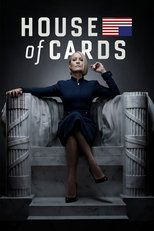
Francis Underwood is blindsided when Linda Vasquez informs him that the President-Elect will not be nominating him for Secretary of State as promised. Despite his immense contributions to the campaign, he is told he must remain in Congress to push through education reform. Francis is forced to swallow his rage and pledge his loyalty while secretly reeling from the political betrayal.
VASQUEZ: Thanks for coming Frank. Please...
FRANCIS: Will the President-Elect be joining us?
VASQUEZ: No. He told me to apologize on his behalf. I’ll brief him though.
FRANCIS: This is a memo I drafted on the Middle East policy we’ve been developing. I think we need a more direct way to frame our approach. We’ll steal from Reagan - trickle-down diplomacy. If…
V…
About This Scene
This duologue, "The Nature of Promises," from the political drama House of Cards, presents a masterclass in strategic maneuvering and hidden agendas. It captures the precise moment Francis Underwood, believing he is about to receive a promised Secretary of State nomination, is instead informed by Linda Vasquez that the plan has changed. The scene is a tightrope walk of suppressed rage and calculated diplomacy, forcing Francis to internalize a profound betrayal while projecting loyalty.
Character Analysis
Francis, in his 40s-50s, is established as an anti-hero embodying intense ambition and a sophisticated, Machiavellian approach to politics. He enters the scene with an expectation of power, quickly shifting to a stunned silence followed by a carefully measured response to betrayal. Vasquez, also in her 40s-50s, acts as the messenger, a formidable authority figure tasked with delivering unwelcome news with a practiced blend of apology and firm resolve. Both characters demonstrate a high degree of control and strategic thinking, making their emotional undercurrents all the more potent.
Why This Works for Auditions
This duologue is an outstanding choice for auditions due to its immediate conflict and the complex emotional demands it places on both actors. It provides ample opportunity to showcase subtext, allowing performers to explore a range of internal reactions from shock and anger to calculated composure. The political drama genre also allows actors to demonstrate gravitas, intellectual capacity, and a command of subtle character performance, which are highly valued in casting. The clear objective for each character, coupled with the high stakes, generates compelling dramatic tension.
Best Suited For
This scene is ideally suited for actors in their 40s to 50s who excel at portraying sophisticated, intense, and often morally ambiguous characters. It is particularly effective for those being considered for roles as politicians, authority figures, or complex anti-heroes. The dialogue, rich with strategic undertones and intellectual sparring, makes it perfect for actors who can convey deep thinking and suppressed emotion. It's an excellent piece for a self-tape or an agent-showcase, offering a contained but powerful dramatic arc.
Performance Tips
When approaching this scene, focus on internalizing Francis's shock and subsequent need to mask his rage. His line about promises remaining immune to changing circumstances should be delivered with a simmering intensity that barely conceals his true feelings. For Vasquez, the key is to maintain an air of professional regret while remaining resolute in delivering the President-Elect's decision. Both actors should pay close attention to pacing, allowing silences and half-beats to amplify the tension and highlight the unspoken power dynamics at play. Emphasize their strategic intelligence through precise and controlled delivery.