
Skip to content
    Film
    duologue
    Drama

    The Next Charlie Parker

    from Whiplash

    Written by Damien Chazelle

    Whiplash

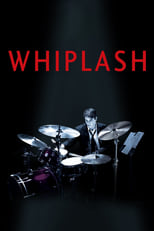
    Fletcher explains his abusive teaching philosophy to Andrew, arguing that true greatness only emerges through extreme pressure and hardship.

    Start a free 7-day trial — 5 downloads a day, unlimited when Pro begins

    Rehearse this scene
    Rehearse on your terms

    Choose your role and voices for the other characters. Run the scene at your own pace.

    Scene PreviewExcerpt — subscribe to read full scene

    FLETCHER

    The truth is I don’t think people understand what it is I did at Shaffer. I wasn’t there to conduct. Any idiot can move his hands and keep people in tempo. No, it’s about pushing people beyond what’s expected of them. And I believe that is a necessity. Because without it you’re depriving the world of its next Armstrong. Its next Parker. Why did…

    End of preview. Continue with Pro below.

    7 days freeYour next rehearsal starts here

    Found your next scene? Make it yours.

    Start your free trial and read The Next Charlie Parker in full, with access to 5,500+ monologues and scenes to explore next.

    • Read the full scene and explore the library
    • Download your script in a clean, printable format
    • Take it into rehearsal with the Script Reader
    Casting Types
    Get Feedback
    Coming Soon

    Want expert coaching on this scene?

    Browse our curated list of acting coaches, dialect specialists, and more.

    Find a Coach

    Need representation?

    Browse verified agents and casting directors in our directory.

    Scene Notes & Audition Tips

    5 sections
    About This Scene

    This intense duologue from the film *Whiplash* features Fletcher, a formidable music instructor, explaining his controversial and brutal teaching philosophy to Andrew, a burgeoning jazz drummer. The scene delves into the core of Fletcher's belief system, arguing that true artistic greatness is forged through extreme pressure, humiliation, and relentless hardship, rather than gentle encouragement. It's a powerful exploration of mentorship, obsession, and the philosophy behind achieving unparalleled excellence in art.

    Character Analysis

    Fletcher is a complex, domineering figure, characterized by an unyielding intensity and a deeply cynical view of modern educational practices. He embodies the 'Authority Figure' and 'Villain' casting types, but also functions as a distorted 'Mentor,' believing his methods are necessary for his students' growth. Andrew, though largely listening in this scene, is an earnest, ambitious young student who, despite the perceived abuse, finds himself drawn to Fletcher's uncompromising vision of greatness. He represents the 'Student' archetype, eager for validation and pushing his own boundaries.

    Why This Works for Auditions

    This scene offers a fantastic showcase for an actor's ability to portray high-stakes, intelligent debate and a profound conviction. The rich, articulate dialogue provides ample opportunity for nuanced vocal work, exploring a range of emotions from philosophical intensity to cutting sarcasm. For Fletcher, it allows for a commanding presence and the demonstration of controlled, yet volcanic, power. For Andrew, it provides a chance to show active listening, internal processing, and a subtle shift in understanding or agreement, making it excellent for showcasing reactive acting.

    Best Suited For

    "The Next Charlie Parker" is particularly well-suited for actors aiming for drama school auditions, agent showcases, or creating a powerful self-tape. Its intense tone and philosophical depth make it ideal for actors capable of embodying intellectual gravitas and emotional conviction. Given the clear age ranges, it's perfect for male actors in the 40-55 range portraying Fletcher and those in their late teens to early twenties for Andrew, demonstrating their capacity for intensity and philosophical engagement within a dramatic context.

    Performance Tips

    When performing this scene, actors should focus on the intellectual and emotional stakes inherent in the dialogue. For Fletcher, embrace the conviction behind his ruthless philosophy; every word should feel earned and deliberate, even as the intensity builds. Explore the rhythm and cadence of his speech, using pauses and vocal dynamics to underscore his unwavering belief. For Andrew, concentrate on active listening and subtle non-verbal reactions. His internal journey from perhaps discomfort to a burgeoning understanding, or even agreement, is crucial and can be conveyed through eye contact, posture, and micro-expressions, showing his absorption of Fletcher's radical ideas.

    No ratings yet
    Sign in to rate