
Film
monologue
Drama

The Only Thing I Love

from The Hurt Locker

Written by Mark Boal

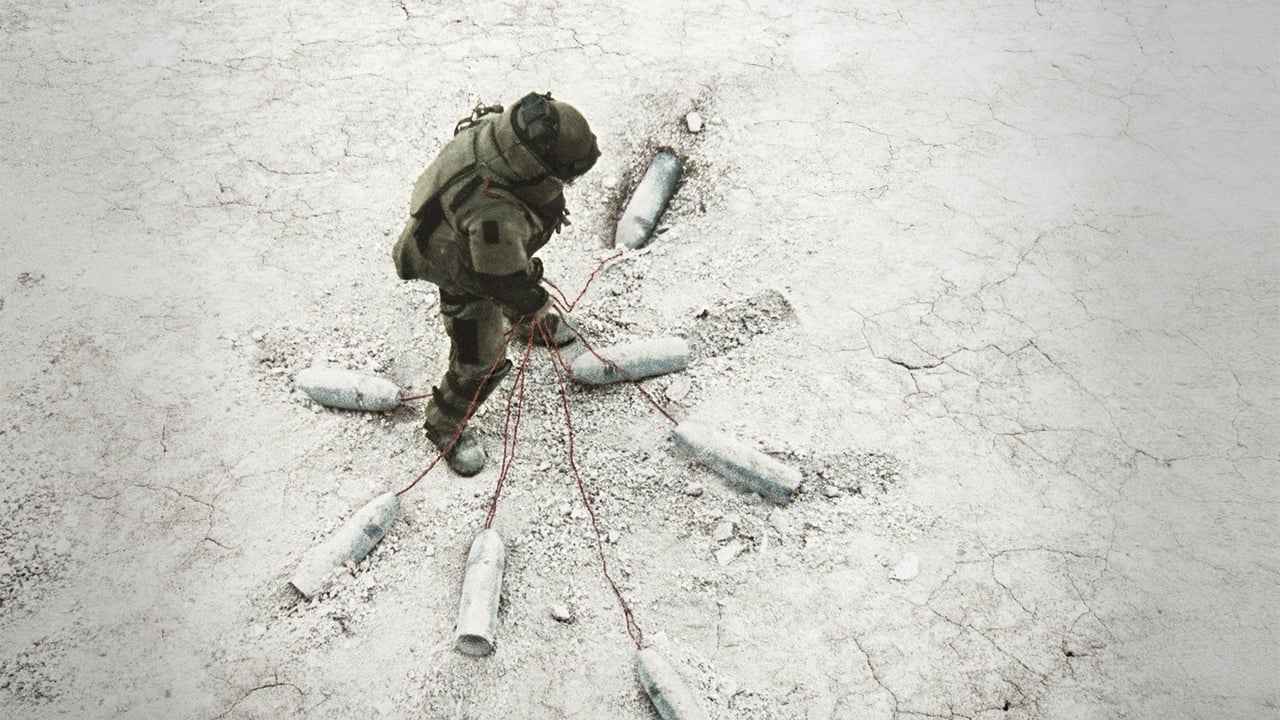
The Hurt Locker

A soldier reflects on his addiction to war while speaking to his infant son, admitting that he only truly loves one thing anymore.

Start a free 7-day trial — 5 downloads a day, unlimited when Pro begins

Rehearse on your terms

Take this monologue into rehearsal and work through it at your own pace.

Scene PreviewExcerpt — subscribe to read full scene

JAMES

You love playing with that, don’t you..? You love all your stuffed animals. You love your Mommy, your Daddy. You love your pajamas... You love everything, don’t you?

JAMES

But you know what buddy, as you get older some of the things that you love might not seem so special anymore. You know? Like your Jack-in-the-Box.

End of preview. Continue with Pro below.

7 days freeYour next rehearsal starts here

Found your next scene? Make it yours.

Start your free trial and read The Only Thing I Love in full, with access to 3,000+ monologues and scenes to explore next.

  • Read the full scene and explore the library
  • Download your script in a clean, printable format
  • Take it into rehearsal with the Script Reader
Casting Types
Get Feedback
Coming Soon

Want expert coaching on this scene?

Browse our curated list of acting coaches, dialect specialists, and more.

Find a Coach

Need representation?

Browse verified agents and casting directors in our directory.

Scene Notes & Audition Tips

5 sections
About This Scene

This powerful dramatic monologue from the acclaimed film *The Hurt Locker* offers a profound glimpse into Sergeant First Class William James's psyche. In a moment of quiet introspection, James speaks to his infant son, revealing a deep, unsettling truth about his emotional landscape. The scene beautifully contrasts a child's innocence and simple joys with an adult's complex, almost singular focus, shaped by unique experiences. It explores themes of love, attachment, and the insidious nature of obsession, presenting a pivotal moment of confession and vulnerability delivered in an intimate, conversational tone.

Character Analysis

James is portrayed as a man profoundly shaped by his extraordinary profession. While seemingly a capable and detached soldier on the outside, this monologue uncovers a deeply vulnerable internal world. He grapples with the understanding that intense war experiences have narrowed his capacity for love to an almost singular focus, suggesting an addiction to the battlefield. His address to his son is not merely a loving interaction but a confessional, revealing a melancholy understanding of his own limitations and perhaps a subconscious desire to protect his child from similar emotional restrictions. This character embodies a complex blend of ruggedness, intensity, and profound internal fragility.

Why This Works for Auditions

This monologue is an excellent choice for auditions due to its immediate emotional depth and compelling internal conflict. It offers actors the opportunity to showcase vulnerability, intensity, and a nuanced understanding of a character grappling with a difficult truth within a short, impactful timeframe. The conversational nature of the writing allows for a naturalistic performance, emphasizing honesty and subtlety. Its relatively contained emotional arc makes it perfect for a one-minute slot, leaving casting directors with a strong impression of an actor's dramatic range and ability to convey complex inner life.

Best Suited For

This scene is particularly well-suited for male actors aged 25-35 who can embody a leading man quality while revealing profound vulnerability. It is ideal for those casting types labeled "Military," "Intense," or "Everyman" who can convey lived experience and an underlying emotional struggle. Its powerful dramatic weight makes it an excellent choice for drama school auditions, where depth of character and emotional honesty are paramount. It also translates exceptionally well into a self-tape format, allowing for intimate close-ups.

Performance Tips

When approaching this monologue, focus on the subtext of James's confession and the deeply personal nature of his words to his son. Rather than delivering a grand speech, aim for a genuine, almost hesitant conversational tone, as if James is wrestling with these thoughts for the first time aloud. Allow moments of internal silence and genuine observation of the child to inform your performance, making emotional shifts feel organic and earned. Embrace the vulnerability and melancholy, letting the underlying sadness and resignation of James's situation come through in subtle ways, demonstrating a profound internal struggle rather than overt distress.

Explore this topic