Film
duologue
Drama

Welcome to Bravo Company

from The Hurt Locker

Written by Mark Boal

The Hurt Locker

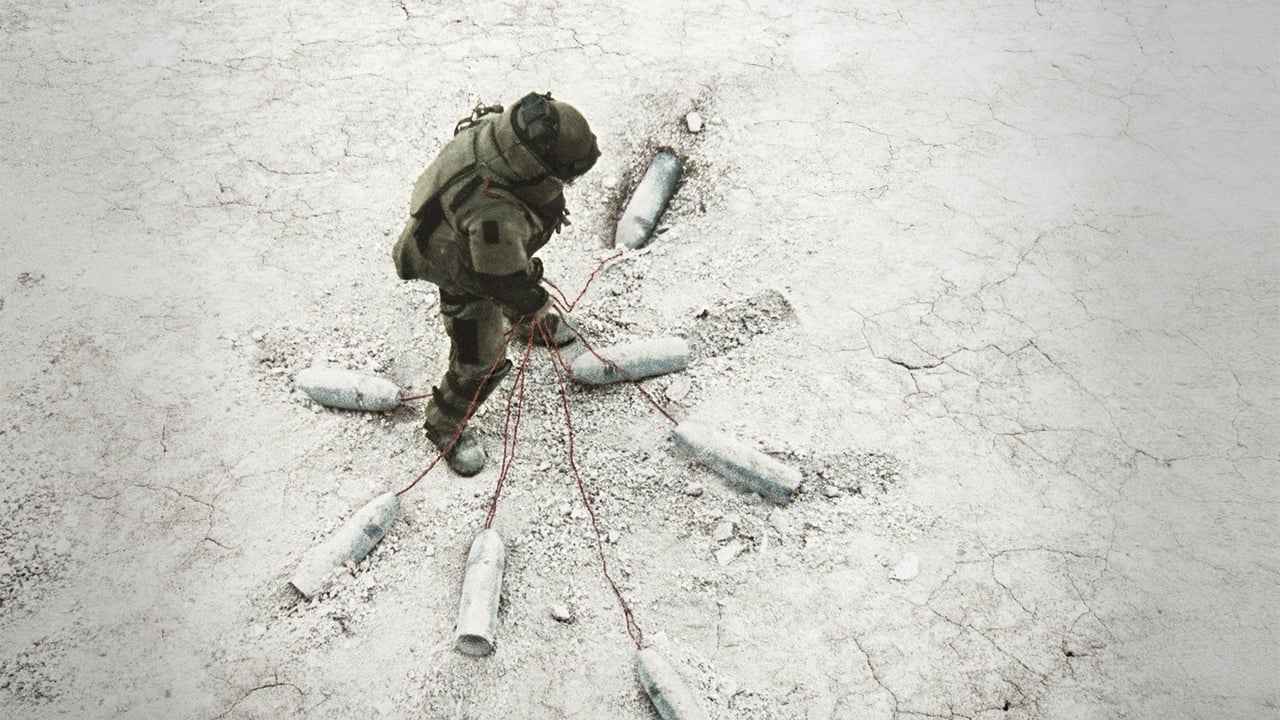
Sergeant James, a new bomb disposal expert, arrives at Camp Victory in Iraq and meets Sergeant Sanborn. Their initial conversation reveals James's nonchalant attitude towards danger and Sanborn's cautious nature, setting up a dynamic of contrasting personalities.

Start a free 7-day trial — 5 downloads a day, unlimited when Pro begins

Rehearse this scene
Rehearse on your terms

Choose your role and voices for the other characters. Run the scene at your own pace.

Scene PreviewExcerpt — subscribe to read full scene

JAMES

Yeah.

SANBORN O.S.

Sergeant James?

JAMES

It's open.

SANBORN

Sergeant James. (extending his hand) J.T. Sanborn. Welcome to Bravo Company and welcome to Camp Victory.

JAMES

Victory? I thought this was called Camp Liberty.
End of preview. Continue with Pro below.

7 days freeYour next rehearsal starts here

Found your next scene? Make it yours.

Start your free trial and read Welcome to Bravo Company in full, with access to 3,000+ monologues and scenes to explore next.

  • Read the full scene and explore the library
  • Download your script in a clean, printable format
  • Take it into rehearsal with the Script Reader
Casting Types
Get Feedback
Coming Soon

Want expert coaching on this scene?

Browse our curated list of acting coaches, dialect specialists, and more.

Find a Coach

Need representation?

Browse verified agents and casting directors in our directory.

Scene Notes & Audition Tips

5 sections
About This Scene

This duologue from "The Hurt Locker" introduces Sergeant James, a new bomb disposal expert, to Sergeant Sanborn at Camp Victory in Iraq. The scene immediately establishes a palpable tension and a fascinating contrast between two male characters. Through their initial conversation, the audience quickly gleans James's seemingly reckless demeanor and Sanborn's more measured and cautious approach to their dangerous environment, setting the stage for their complex dynamic.

Character Analysis

James is presented as a "Leading Man" type, embodying an intense, tough, yet oddly charismatic presence. His nonchalance about immediate threats, as evidenced by his dark humor and seemingly casual approach to setting up his living space, hints at a deeper, possibly repressed, inner chaos. Sanborn, while also a "Tough" and "Authority Figure," acts as a foil to James, representing a more grounded and wary perspective, essential for survival in their high-stakes profession.

Why This Works for Auditions

This scene is an excellent choice for auditions as it provides ample opportunity for actors to showcase nuanced performances. The shifting power dynamic, the undercurrent of danger, and the discovery of contrasting personalities offer rich material for character development. Its contemporary period and intense tone make it highly relevant for a variety of dramatic casting calls, allowing actors to demonstrate their ability to handle weighty material and sharp dialogue.

Best Suited For

This duologue is best suited for male actors in the 25-35 age range, particularly those looking to be cast as "Leading Man" or "Authority Figure" types. It's ideal for actors who can convey both outward strength and inward complexity, excelling at roles requiring an intense and tough portrayal. The scene's duration and emotional depth make it suitable for self-tapes, general practice, and even competitive settings where a strong, character-driven dramatic piece is required.

Performance Tips

When performing this scene, focus on the subtext of the dialogue to highlight the underlying tension and the characters' differing philosophies on danger. For James, lean into his enigmatic quality; his nonchalance isn't apathy, but perhaps a coping mechanism or a deeply ingrained fearlessness. For Sanborn, portray his caution not as timidity, but as a practical, professional instinct. Pay close attention to spatial dynamics, as the act of moving the locker and blocking the window can be used to visually represent their contrasting approaches to security and vulnerability.

Explore this topic