
Film
monologue
Thriller
Drama

The Philosophy of the Sentinel

from The Killer

Written by Andrew Kevin Walker

The Killer

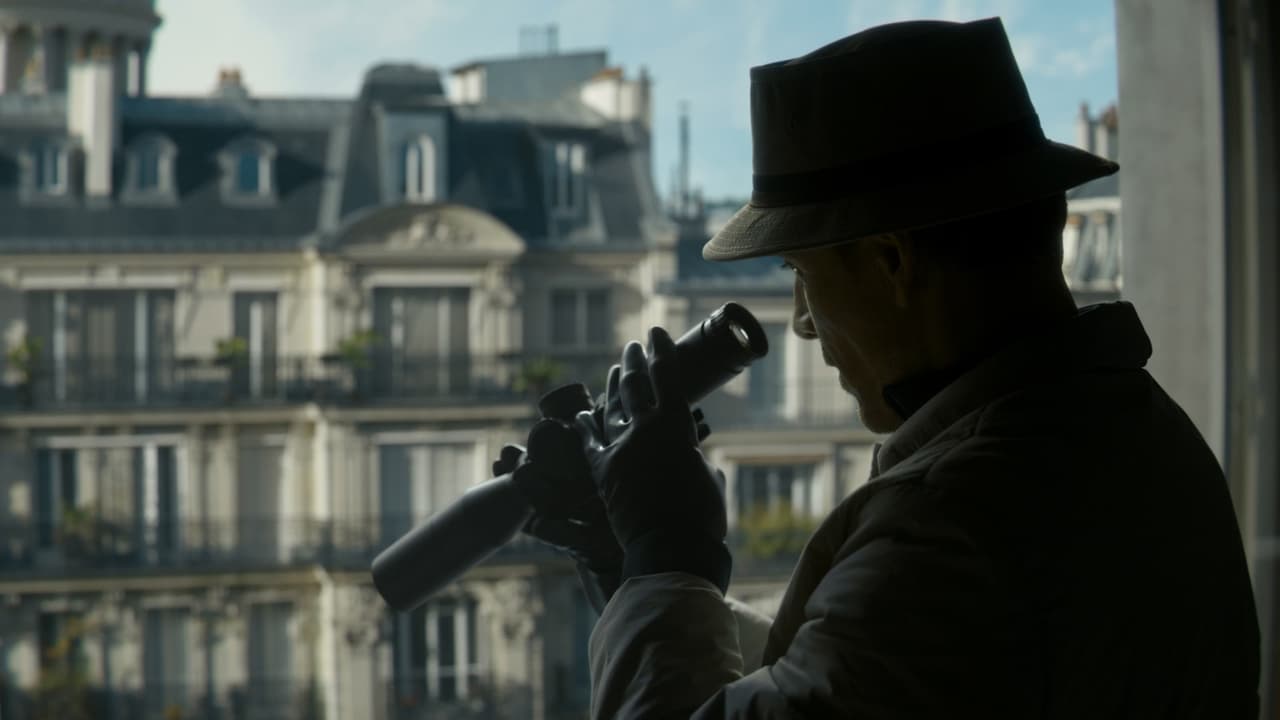
A professional assassin waits in a Parisian hideout, reflecting on the grueling nature of boredom and his nihilistic worldview. He prepares his equipment while explaining his detachment from concepts like luck, karma, and justice.

Start a free 7-day trial — 5 downloads a day, unlimited when Pro begins

Rehearse on your terms

Take this monologue into rehearsal and work through it at your own pace.

Scene PreviewExcerpt — subscribe to read full scene

KILLER

It's amazing how physically exhausting it can be to do nothing. If you're unable to endure boredom, this work is not for you.

End of preview. Continue with Pro below.

7 days freeYour next rehearsal starts here

Found your next scene? Make it yours.

Start your free trial and read The Philosophy of the Sentinel in full, with access to 1,000+ monologues and scenes to explore next.

  • Read the full scene and explore the library
  • Download your script in a clean, printable format
  • Take it into rehearsal with the Script Reader
Casting Types
Get Feedback
Coming Soon

Want expert coaching on this scene?

Browse our curated list of acting coaches, dialect specialists, and more.

Find a Coach

Need representation?

Browse verified agents and casting directors in our directory.

Scene Notes & Audition Tips

5 sections
About This Scene

This monologue, titled "The Philosophy of the Sentinel" from the film *The Killer*, plunges actors into the mind of a professional assassin during a moment of intense introspection and preparation. Set in a Parisian hideout at dawn, it offers a window into the protagonist's disciplined yet nihilistic worldview as he reflects on the nature of boredom and his detachment from conventional morality. This contemporary thriller piece is a masterclass in internal monologue, revealing a character who operates with extreme precision and a chilling philosophy.

Character Analysis

The Killer is a man defined by extreme discipline, patience, and a profound sense of detachment. He views himself as "apart," a "Stranger" existing outside the norms of society, meticulously preparing for his work while explaining his rejection of concepts like luck or justice. His internal monologue reveals a highly analytical mind, devoid of overt emotion but possessing a deep, albeit bleak, understanding of human nature and his own place within it. This character embodies a controlled intensity, where every thought and action is deliberate and calculated.

Why This Works for Auditions

This monologue is an exceptional choice for auditions due to its immediate establishment of a compelling character and its dynamic internal journey. It allows an actor to showcase immense control, intellectual depth, and the ability to convey profound psychological states without needing external interaction. The text provides ample opportunity for subtle physical choices and vocal variation, demonstrating an actor's capacity for creating a complex, intense persona that is both captivating and unnerving. It effectively highlights an actor's skill in portraying an anti-heroic figure with nuanced internal life.

Best Suited For

"The Philosophy of the Sentinel" is ideally suited for male actors aged 35-45 looking to portray intense, loner, or anti-heroic casting types. It's particularly effective for those who excel at conveying internal monologues and can project a disciplined, almost detached intensity. This monologue is perfect for self-tapes, general practice sessions, and agent showcases where you want to demonstrate your ability to embody a complex character with a strong, unsettling presence.

Performance Tips

When approaching this monologue, focus on the stillness and internal rhythm of the Killer. Emphasize the contrast between his calm outward demeanor and the profound, often disturbing, nature of his thoughts. Explore the weight behind his words, particularly when discussing concepts like boredom, luck, and his unique identity as "The Stranger." Pay close attention to subtle physical adjustments and vocal control, using pauses and variations in tempo to underscore his meticulous nature and intellectual precision.

Explore this topic