
Film
duologue
Thriller
Drama

No Happy Ending

from Se7en

Written by Andrew Kevin Walker

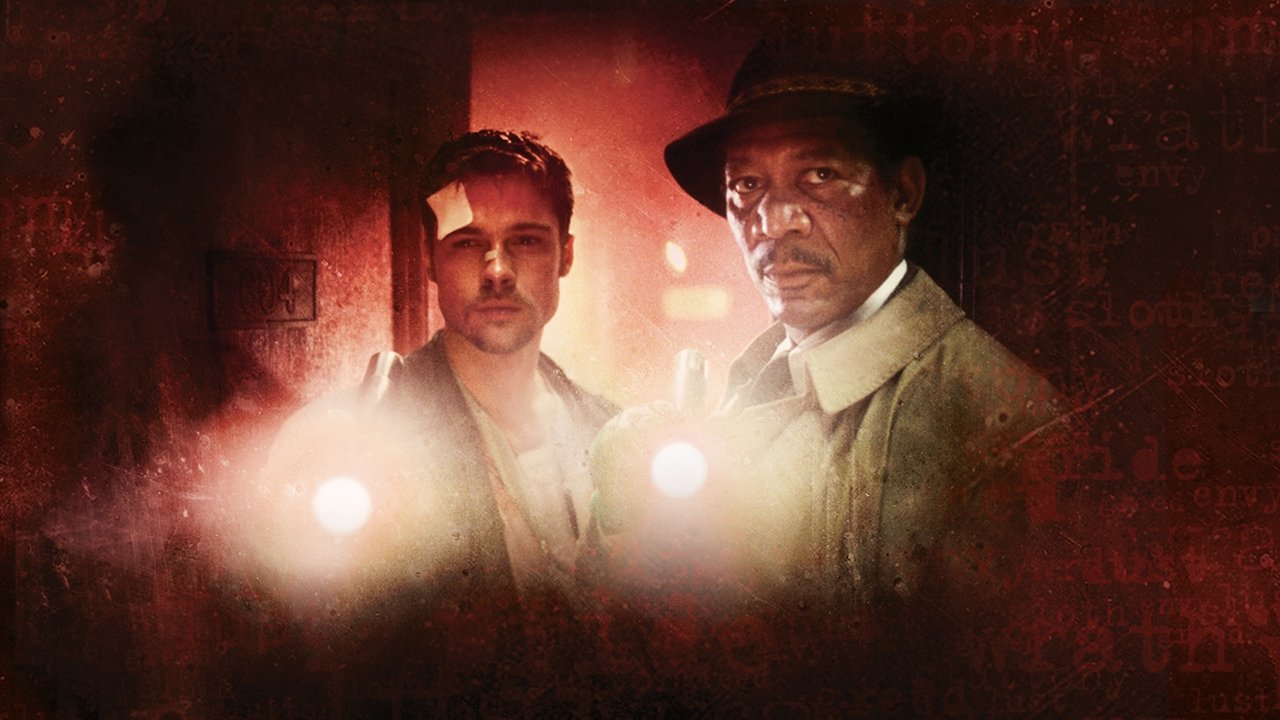
Se7en

A veteran detective and his idealistic partner clash over the cynical reality of their city and the futility of their fight against evil.

Start a free 7-day trial — 5 downloads a day, unlimited when Pro begins

Rehearse this scene
Rehearse on your terms

Choose your role and voices for the other characters. Run the scene at your own pace.

Scene PreviewExcerpt — subscribe to read full scene

SOMERSET

There's not going to be a happy ending. It's not possible.

MILLS

If we get him, I'll be happy enough.

SOMERSET

No. Face it now. Stop thinking it's good guys against the bad guys in this city.

MILLS

How can you say that? Especially after today?

End of preview. Continue with Pro below.

7 days freeYour next rehearsal starts here

Found your next scene? Make it yours.

Start your free trial and read No Happy Ending in full, with access to 4,000+ monologues and scenes to explore next.

  • Read the full scene and explore the library
  • Download your script in a clean, printable format
  • Take it into rehearsal with the Script Reader
Casting Types
Get Feedback
Coming Soon

Want expert coaching on this scene?

Browse our curated list of acting coaches, dialect specialists, and more.

Find a Coach

Need representation?

Browse verified agents and casting directors in our directory.

Scene Notes & Audition Tips

5 sections
About This Scene

This compelling duologue, "No Happy Ending," captures a pivotal clash between two detectives from the gritty thriller *Se7en*. Set in a contemporary sports bar, the scene features veteran Somerset and his younger, more idealistic partner, Mills, engaging in a deeply intense and philosophical argument. It explores profound themes of cynicism versus hope, morality, and the nature of good and evil in a corrupt world. The dialogue provides a stark contrast between an experienced individual grappling with the futility of their work and a determined newcomer still believing in the possibility of victory.

Character Analysis

Somerset, aged 50s, embodies the archetype of the weary, cynical mentor, deeply affected by years of exposure to urban decay and human depravity. He has reached a point of profound disillusionment, arguing that a "happy ending" is an impossibility and questioning the very purpose of their fight. Mills, in his 30s, represents the fiery, passionate, and somewhat naive everyman, still clinging to the belief in justice and the efficacy of their actions. His frustration stems from Somerset's fatalistic outlook, which he perceives as a form of quitting, creating a palpable tension between their opposing worldviews.

Why This Works for Auditions

This scene is an excellent choice for auditions due to its immediate high stakes and intense emotional landscape, offering actors rich material to explore. The dynamic between Somerset and Mills allows for a clear contrast in energy and perspective, showcasing an actor's ability to navigate complex philosophical arguments while maintaining grounded, raw emotion. Its duologue format ensures ample stage time for both performers, making it ideal for demonstrating strong reactive listening and sustained character work under pressure. The dialogue is sharp, impactful, and presents a compelling narrative without needing extensive external context.

Best Suited For

"No Happy Ending" is perfectly suited for actors within the 30-55 age range looking to showcase their ability to handle intense, gritty, and dramatic material. It’s particularly effective for those being cast as detectives, mentors, or intense, world-weary characters. The scene's intellectual and moral wrestling makes it ideal for actors who can convey deep thought and emotional weight simultaneously. This material is excellent for drama school auditions, agent showcases, self-tapes, or general practice, where demonstrating authenticity and emotional depth is paramount.

Performance Tips

When approaching this scene, actors should focus on the underlying philosophical conflict rather than just the surface-level argument. For Somerset, lean into the weight of his experience and the deep-seated weariness that fuels his cynicism, allowing moments of quiet despair to punctuate his pronouncements. For Mills, channel the raw frustration and righteous anger that comes from confronting such profound disillusionment, ensuring his passion feels earned and not merely petulant. Pay close attention to the subtext of each line, letting the power dynamics shift with every exchange and allowing the intensity to build organically.

Explore this topic