
Skip to content
    Film
    duologue
    Drama
    Thriller

    The Price of a Transfer

    from The Infiltrator

    Written by Ellen Brown Furman

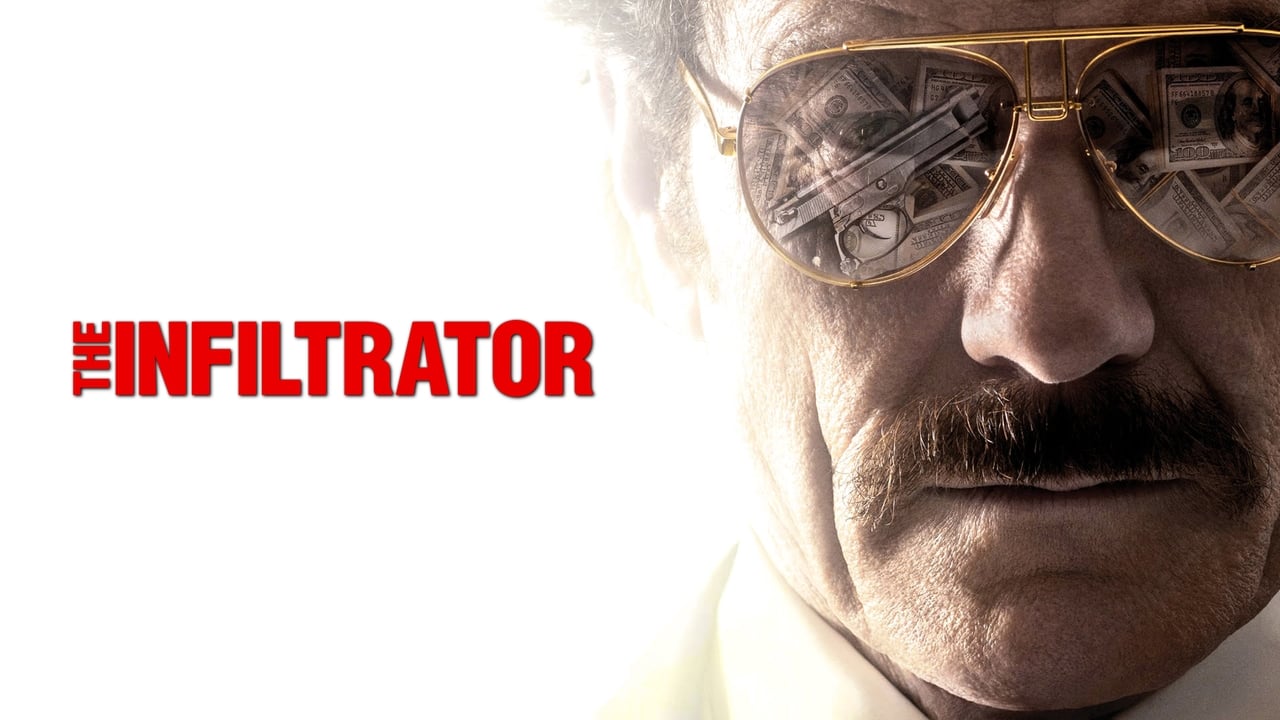
    The Infiltrator

    An undercover agent confronts his superior after being ordered to a desk job, arguing that his removal will cost lives.

    Start a free 7-day trial — 5 downloads a day, unlimited when Pro begins

    Rehearse this scene
    Rehearse on your terms

    Choose your role and voices for the other characters. Run the scene at your own pace.

    Scene PreviewExcerpt — subscribe to read full scene

    CHILDS

    I spoke to Headquarters today. You’re not going to like this. They want a transfer.

    FULTON

    Where to?

    CHILDS

    Kent.

    FULTON

    You’re putting me behind a bleedin’ desk?

    CHILDS

    Kevin, the fact is nobody ever thought we’d see an agent rise to your level. Consider this an opportunity to quit while you’re leading the pack.


    End of preview. Continue with Pro below.

    7 days freeYour next rehearsal starts here

    Found your next scene? Make it yours.

    Start your free trial and read The Price of a Transfer in full, with access to 6,000+ monologues and scenes to explore next.

    • Read the full scene and explore the library
    • Download your script in a clean, printable format
    • Take it into rehearsal with the Script Reader
    Casting Types
    Get Feedback
    Coming Soon

    Want expert coaching on this scene?

    Browse our curated list of acting coaches, dialect specialists, and more.

    Find a Coach

    Need representation?

    Browse verified agents and casting directors in our directory.

    Scene Notes & Audition Tips

    5 sections
    About This Scene

    Written by Ellen Brown Furman, this contemporary dramatic duologue from The Infiltrator captures a high-stakes clash between two intelligence operatives bound by years of shared service. When handler Childs breaks the news that headquarters is mandating a transfer away from active operations to an administrative post, field agent Fulton responds with fierce resistance. Fulton argues vehemently that his removal will unravel critical intelligence and cost innocent lives, transforming an administrative order into an urgent moral battle.

    Character Analysis

    Fulton is a seasoned operative in his forties whose entire sense of purpose and self-worth stems from dangerous fieldwork and protecting people on the front line. The prospect of sitting behind a desk feels like a complete betrayal of his duty and his working-class grit. Childs, also in his forties, embodies pragmatic authority, caught between the rigid politics of upper management and his genuine respect for Fulton's exceptional operational track record.

    Why This Works for Auditions

    Running between one and two minutes, the piece establishes immediate dramatic friction without requiring extensive exposition or complex stage business. Casting directors get to evaluate how effectively an actor navigates subtext, tactical adjustments, and deeply held stakes under intense pressure. The dialogue moves briskly, offering clear opposing objectives and giving both performers equal opportunity to control the rhythm of the exchange.

    Best Suited For

    This scene is exceptionally well suited for male actors aged 35 to 45 preparing audition material for self-tapes, agent showcases, or dramatic partner practice. It provides an excellent showcase for performers targeting roles as detectives, military or intelligence personnel, working-class operatives, and grounded authority figures who thrive in intense, character-driven dramas.

    Performance Tips

    Resist the urge to play the argument at a uniform level of anger from the very first beat. Anchor the dialogue in the fifteen-year relationship between the two men, letting personal familiarity complicate their professional disagreement. For the actor playing Fulton, ground your panic in the genuine belief that lives will be lost rather than simple injured pride. For Childs, keep the focus on status and management, finding the delicate balance between bureaucratic firmness and personal regret.

    No ratings yet
    Sign in to rate