
Film
duologue
Drama
Sci-Fi

Saving What Made Us Great

from Children of Men

Written by Alfonso Cuarón, Timothy J. Sexton

Children of Men

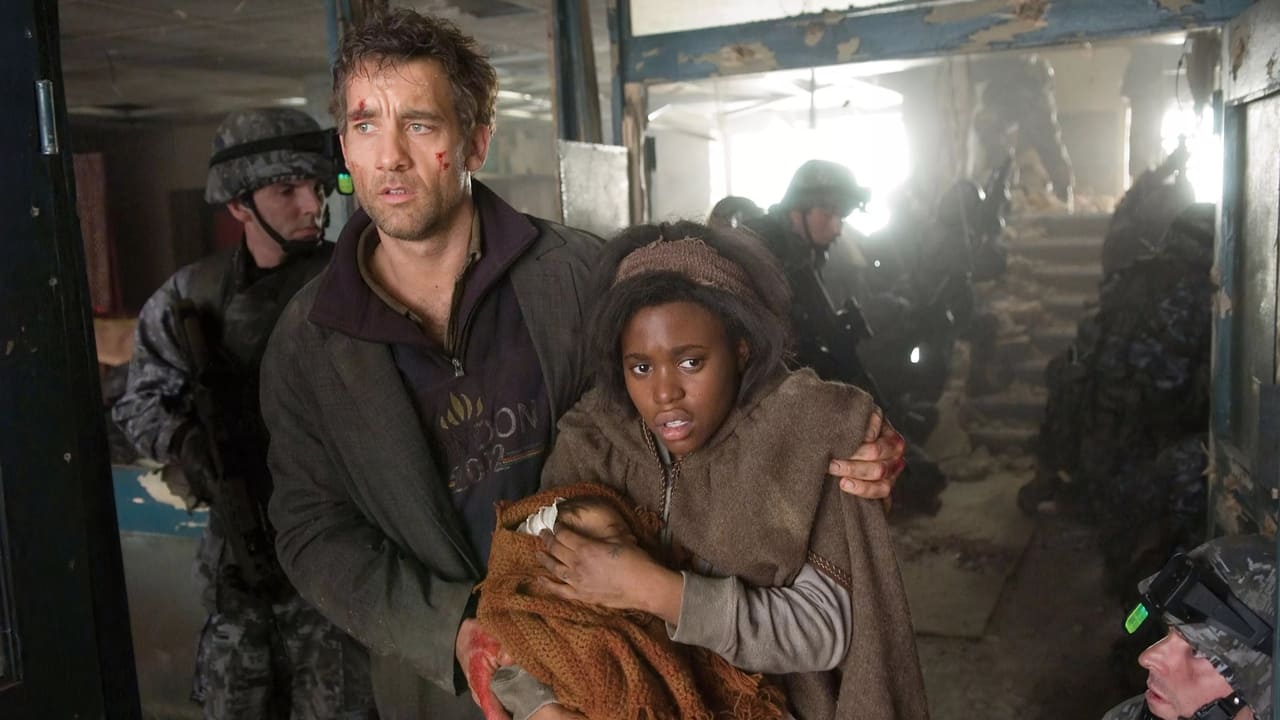
Theo visits his wealthy cousin Teddy to discuss the preservation of art in a collapsing world where humanity has lost the ability to procreate.

Start a free 7-day trial — 5 downloads a day, unlimited when Pro begins

Rehearse this scene
Rehearse on your terms

Choose your role and voices for the other characters. Run the scene at your own pace.

Scene PreviewExcerpt — subscribe to read full scene

TEDDY

I sent you some tasty French wine for your birthday, I hope you got it --

THEO

Yeah, I meant to call. Thank you.

TEDDY

How are you doing, bro?

THEO

Not so well. I think I need to change course. Try something different.

TEDDY

I must say, I was astounded you were still interested.

End of preview. Continue with Pro below.

7 days freeYour next rehearsal starts here

Found your next scene? Make it yours.

Start your free trial and read Saving What Made Us Great in full, with access to 4,500+ monologues and scenes to explore next.

  • Read the full scene and explore the library
  • Download your script in a clean, printable format
  • Take it into rehearsal with the Script Reader
Casting Types
Get Feedback
Coming Soon

Want expert coaching on this scene?

Browse our curated list of acting coaches, dialect specialists, and more.

Find a Coach

Need representation?

Browse verified agents and casting directors in our directory.

Scene Notes & Audition Tips

5 sections
About This Scene

This potent duologue, "Saving What Made Us Great," is extracted from the critically acclaimed film *Children of Men*. Set in a bleak, dystopian future where humanity faces extinction due to infertility, the scene unfolds between cousins Teddy and Theo. It explores a fascinating contrast of perspectives on survival, meaning, and the preservation of culture amidst global collapse, offering a rich emotional landscape for actors to navigate.

Character Analysis

Teddy is presented as an Authority Figure, possibly a Business Executive or Upper Class individual, who has found a new purpose in curating and safeguarding artistic masterpieces. He possesses a pragmatic, almost cynical worldview, believing that humanity's fate is sealed but that its cultural legacy can endure. Theo, the Leading Man type, appears to be at a crossroads, seeking a new direction or a means to cope with the world's despair. His initial interaction suggests a weariness and perhaps a moral questioning that contrasts with Teddy's more decisive, yet detached, approach to the apocalypse.

Why This Works for Auditions

This scene offers exceptional material for auditions because of its powerful tone and the sophisticated interplay between two complex characters. Actors can showcase their ability to convey gravitas, intellectual depth, and subtle emotional shifts under extraordinary circumstances. The dialogue is sharp and intelligent, allowing performers to demonstrate strong command of language and an understanding of nuanced character relationships, making it suitable for both self-tapes and agent showcases.

Best Suited For

"Saving What Made Us Great" is ideally suited for male actors in the 35-45 age range who can embody the Casting Types of a Leading Man, Authority Figure, Business Executive, or someone with an Upper Class, Sophisticated demeanor. It's particularly effective for those seeking roles in dramatic, intelligent, or dystopian narratives. Actors comfortable with exploring themes of cynicism, art, and existential crisis will find ample opportunity to shine.

Performance Tips

When approaching this scene, consider the immense weight of the world these characters inhabit; the stakes are globally catastrophic, but their conversation is intimate. For Teddy, focus on conveying his pragmatic resolve and the underlying melancholy of his mission. For Theo, explore the weariness and the dawning realization of a new, perhaps morally ambiguous, path. Pay close attention to the subtext of their shared past and the unsaid emotions beneath their intellectual debate, allowing subtle physical choices to underscore their complex relationship.

Explore this topic