Film
duologue
Sci-Fi
Drama

The Buoy and Dylan's Name

from Children of Men

Written by Alfonso Cuarón, Timothy J. Sexton, David Arata, Mark Fergus, Hawk Ostby

Children of Men

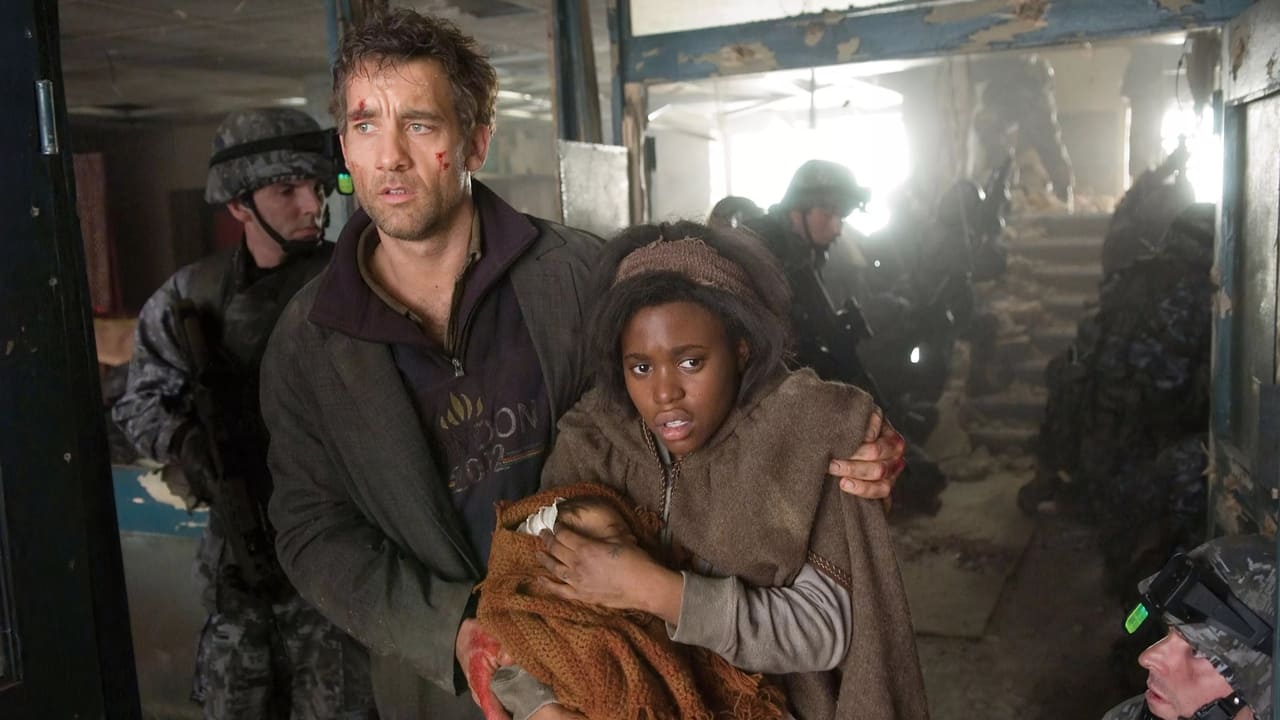
In a small boat, a dying Theo shares a final memory of loss while Kee reveals the name of her miracle baby, offering a glimmer of hope.

Start a free 7-day trial — 5 downloads a day, unlimited when Pro begins

Rehearse this scene
Rehearse on your terms

Choose your role and voices for the other characters. Run the scene at your own pace.

Scene PreviewExcerpt — subscribe to read full scene

KEE

The buoy! Theo, the buoy!

KEE

What time is it?

THEO

Late.

KEE

They'll wait.

THEO

I am sorry, Kee. I am so sorry.

End of preview. Continue with Pro below.

7 days freeYour next rehearsal starts here

Found your next scene? Make it yours.

Start your free trial and read The Buoy and Dylan's Name in full, with access to 4,000+ monologues and scenes to explore next.

  • Read the full scene and explore the library
  • Download your script in a clean, printable format
  • Take it into rehearsal with the Script Reader
Casting Types
Get Feedback
Coming Soon

Want expert coaching on this scene?

Browse our curated list of acting coaches, dialect specialists, and more.

Find a Coach

Need representation?

Browse verified agents and casting directors in our directory.

Scene Notes & Audition Tips

5 sections
About This Scene

This powerful duologue, "The Buoy and Dylan's Name," is taken from the acclaimed dystopian film *Children of Men*. It captures a profoundly vulnerable and intimate moment between Kee and Theo amidst the backdrop of a dying world. Set in a small boat as dawn approaches, the scene unfolds with Theo gravely wounded, facing his impending death, while Kee, carrying the miracle baby, tries to maintain hope. This exchange explores themes of sacrifice, loss, and the enduring human spirit, culminating in Kee's revelation of her baby's name, which brings a final, tender smile to Theo's face.

Character Analysis

Kee, presented as late teens, embodies resilience and a fierce protective instinct, despite her vulnerable circumstances. Her journey throughout the story highlights a shift from uncertainty to a determined protector of humanity's future. Theo, in his 40s, is an everyman archetype, weary and cynical, yet capable of immense personal sacrifice and profound tenderness in his final moments. His character arc reveals a man rediscovering hope and purpose through his connection with Kee and the baby. Both characters are navigating extreme emotional states, making this scene a rich exploration of human connection under duress.

Why This Works for Auditions

This scene offers a compelling opportunity for actors to showcase their ability to handle raw emotion, vulnerability, and complex relationships. The intimate setting and high stakes allow for nuanced performances without needing elaborate staging or props. Actors can demonstrate depth by portraying both the weariness of desperation and the flicker of hope, making it particularly effective for agent showcases and self-tapes. The arc within this brief exchange, from despair to a moment of grace, provides a strong showcase for dramatic range.

Best Suited For

"The Buoy and Dylan's Name" is exceptionally well-suited for actors aiming to portray vulnerable, gritty, or outwardly cynical characters with a hidden core of humanity. It works particularly well for those in the under 18 age range playing Kee, and for actors in their 40s embodying Theo, especially those who excel at portraying characters with significant emotional weight and internal struggle. The scene's intense emotional landscape makes it ideal for showcasing dramatic acting skills for both leading man and everyman casting types, highlighting sacrifice and hope.

Performance Tips

Focus on the physical and emotional exhaustion inherent in the characters' situation, letting it inform your vocal delivery and body language. For Kee, emphasize her burgeoning strength and the fierce protectiveness emerging as she confronts Theo's fading life, contrasting it with the immense burden she carries. For Theo, convey the physical pain and profound sadness of his confession, but also the quiet dignity and love in his final interactions. Allow the moments of silence and stillness to carry significant weight, using them to underscore the gravity of their situation and the depth of their connection.

Explore this topic