
Skip to content
    Film
    duologue
    Sci-Fi
    Drama

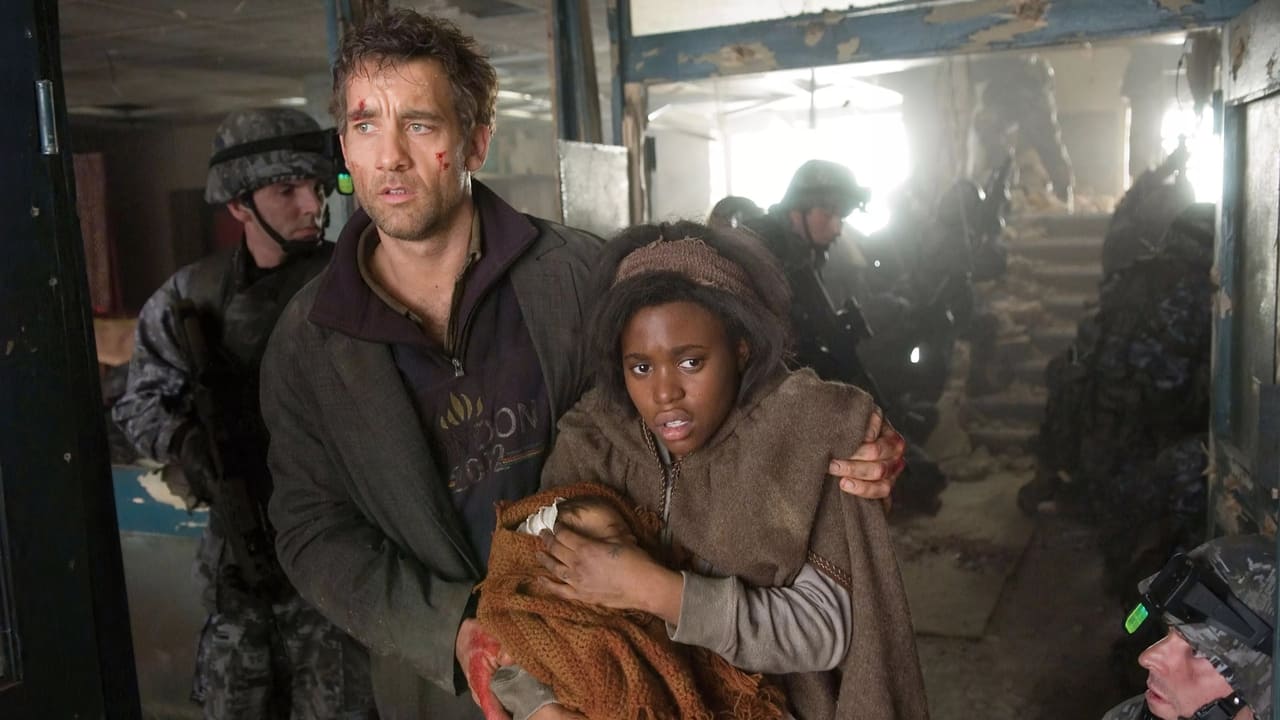
    Kee confronts Theo about his tragic past and his lost son, Dylan, before revealing a miracle that forces him to reconsider abandoning her.

    Start a free 7-day trial — 5 downloads a day, unlimited when Pro begins

    Rehearse this scene
    Rehearse on your terms

    Choose your role and voices for the other characters. Run the scene at your own pace.

    Scene PreviewExcerpt — subscribe to read full scene

    KEE

    Julian told me 'bout your baby.

    KEE

    Said it wasn't your fault.

    THEO

    Did she tell you I was carrying him?

    KEE

    Said there was a lotta of families that day. Lotta kids. 'Sposed to be a peaceful demonstration. And then the soldiers came.

    KEE

    Said you blamed yourself, but nothin' you could do, it wasn't your fault.

    End of preview. Continue with Pro below.

    7 days freeYour next rehearsal starts here

    Found your next scene? Make it yours.

    Start your free trial and read You Can't Leave Me in full, with access to 6,500+ monologues and scenes to explore next.

    • Read the full scene and explore the library
    • Download your script in a clean, printable format
    • Take it into rehearsal with the Script Reader
    Casting Types
    Get Feedback
    Coming Soon

    Want expert coaching on this scene?

    Browse our curated list of acting coaches, dialect specialists, and more.

    Find a Coach

    Need representation?

    Browse verified agents and casting directors in our directory.

    Scene Notes & Audition Tips

    5 sections
    About This Scene

    This intense duologue from the sci-fi film *Children of Men* features Kee and Theo in a pivotal moment of despair and revelation. Kee confronts Theo about his tragic past, specifically the loss of his son, Dylan, and the grief he has carried for years. The scene culminates in a shocking discovery that completely alters Theo’s cynical worldview and forces him to reconsider his commitment to abandoning Kee.

    Character Analysis

    Kee, aged 20s, presents as vulnerable yet possesses an innate strength and a profound secret that serves as the scene's turning point. She is observant, empathetic, and ultimately becomes the embodiment of hope in a bleak, dystopian world. Theo, aged 30s-50s, is initially withdrawn, cynical, and burdened by deep-seated grief and survivor's guilt, categorizing him as an Anti-Hero or Everyman. His journey in this scene moves from guarded apathy to stunned wonder, making his emotional arc incredibly compelling.

    Why This Works for Auditions

    This scene is a powerful choice for auditions due to its raw emotional intensity and significant character transformations. It allows actors to showcase a wide range of emotions, from profound grief and resignation to surprising vulnerability and ultimate awe. The concise, high-stakes dialogue and clear dramatic progression provide excellent material for a compelling self-tape or an impactful agent-showcase piece, demanding nuanced acting without relying on elaborate staging.

    Best Suited For

    This duologue is exceptionally well-suited for actors seeking to demonstrate their ability to portray deep emotional reservoirs and navigate complex, high-stakes material. It is ideal for those comfortable with intense, character-driven performances, particularly actors embodying Vulnerable, Gritty, or Anti-Hero archetypes. The scene's themes of grief, hope, and revelation make it perfect for showcasing an actor's capacity for profound emotional honesty.

    Performance Tips

    When approaching this scene, focus on the underlying emotional currents rather than just the dialogue. For Theo, lean into the weight of his past and the profound impact Kee's words have on him, allowing his defenses to slowly crumble before the ultimate revelation. Kee should convey both her understanding of Theo's pain and the immense, quiet power of her secret, ensuring the reveal lands with maximum impact. Emphasize the shift in power dynamics and the profound sense of renewed purpose that emerges by the scene's end.

    No ratings yet
    Sign in to rate