
Skip to content
    Film
    group
    Drama
    Thriller

    The Sack of York

    from Braveheart

    Written by Randall Wallace

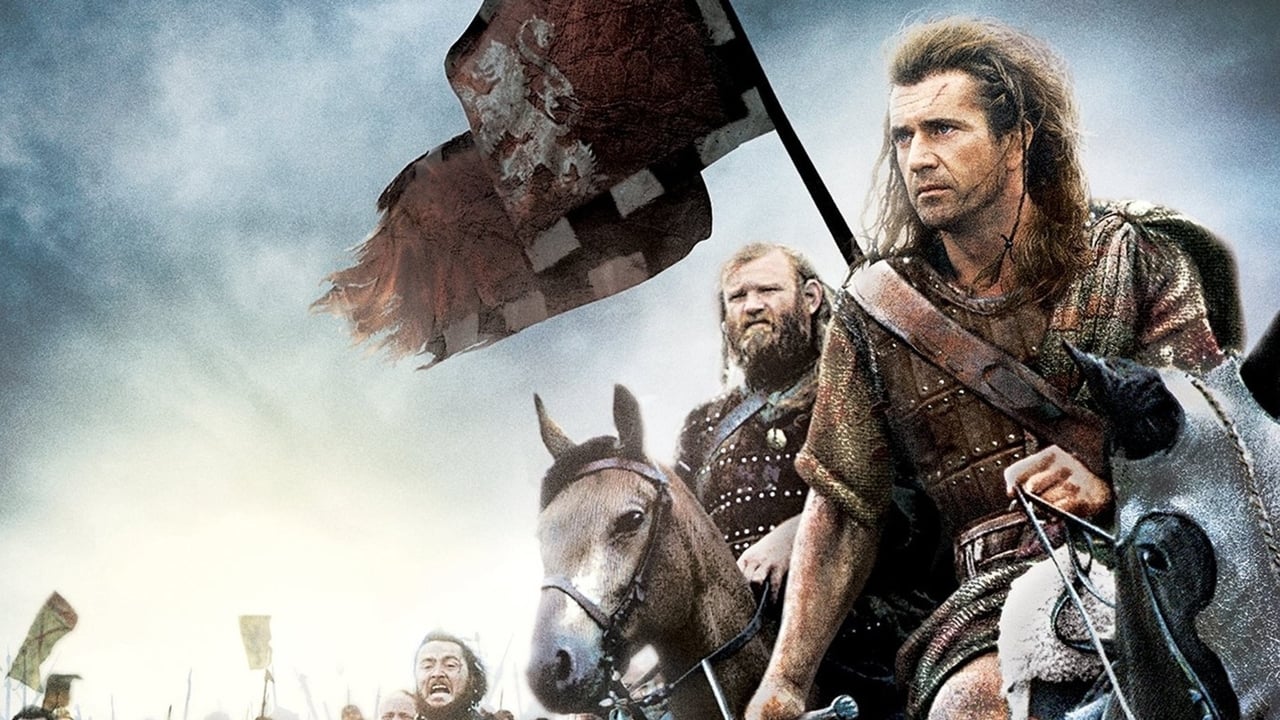
    Braveheart

    King Edward I berates his son for military failures and the loss of York, ultimately deciding to send a negotiator to William Wallace.

    Start a free 7-day trial — 5 downloads a day, unlimited when Pro begins

    Rehearse this scene
    Rehearse on your terms

    Choose your role and voices for the other characters. Run the scene at your own pace.

    Scene PreviewExcerpt — subscribe to read full scene

    LONGSHANKS

    What news of the north?

    EDWARD

    Nothing new, Majesty. We have sent riders to speed any word.

    LONGSHANKS

    While I am in France fighting to expand your future kingdom I learn that Stirling castle is lost, our entire northern army wiped out! And you have done nothing?!

    EDWARD

    I have ordered conscriptions...

    EDWARD

    Wallace has sacked York!

    End of preview. Continue with Pro below.

    7 days freeYour next rehearsal starts here

    Found your next scene? Make it yours.

    Start your free trial and read The Sack of York in full, with access to 5,500+ monologues and scenes to explore next.

    • Read the full scene and explore the library
    • Download your script in a clean, printable format
    • Take it into rehearsal with the Script Reader
    Casting Types
    Get Feedback
    Coming Soon

    Want expert coaching on this scene?

    Browse our curated list of acting coaches, dialect specialists, and more.

    Find a Coach

    Need representation?

    Browse verified agents and casting directors in our directory.

    Scene Notes & Audition Tips

    5 sections
    About This Scene

    This intense dramatic scene from *Braveheart* captures a pivotal moment of high-stakes conflict and familial tension. King Edward I, known as Longshanks, confronts his son, Prince Edward, regarding severe military setbacks in the north, culminating in the shocking news that William Wallace has sacked York. The scene escalates rapidly from verbal beratement to a horrifying display of the King's ruthless power and the deeply fractured relationship with his heir, revealing a dangerous dynamic of power, betrayal, and violence within the royal family.

    Character Analysis

    Longshanks is presented as an imposing and utterly merciless patriarch, driven by a thirst for power and an unyielding will. He exhibits extreme composure and strategic thinking even in the face of horrific news, viewing human life, including that of his own nephew, as expendable pawns in his grand political game. Prince Edward is depicted as initially weak and ineffectual, struggling to assert himself or gain his father's respect, but he ultimately shows a flash of desperate rebellion and hatred in the face of his father's cruelty. Phillip, the Prince's counselor, is a relatively minor character who serves primarily to highlight Longshanks's brutality and Edward's poor judgment in choosing advisors, offering a brief moment of misguided assertiveness before meeting a swift, brutal end.

    Why This Works for Auditions

    This scene offers actors a powerful opportunity to showcase a wide range of emotional depth and dramatic intensity. For Longshanks, it allows for a portrayal of chilling authority, strategic brilliance, and terrifying ruthlessness. For Prince Edward, it provides the chance to navigate feelings of inadequacy, fear, shock, and a sudden, violent eruption of hatred and desperation. The rapid escalation of events, from simmering anger to physical violence and psychological torment, ensures that actors can demonstrate significant emotional range and dynamic shifts within a short timeframe, making it ideal for a memorable audition.

    Best Suited For

    This scene is particularly well-suited for male actors in the 55+ age range aiming to portray commanding, patriarchal, or villainous authority figures, specifically for the role of Longshanks. For actors in their 20s, the roles of Prince Edward and Phillip offer distinct challenges to embody youthful vulnerability, misguided ambition, and profound shock under extreme pressure. Its intense tone and dramatic conflict make it an excellent choice for general practice, agent showcases, or self-tapes where demonstrating a strong emotional arc and powerful characterization is paramount.

    Performance Tips

    When approaching Longshanks, focus on internalizing his absolute conviction and cold, calculating nature; his reactions are deliberate, not impulsive, even when violent. For Prince Edward, emphasize his initial defensiveness and inadequacy, allowing his fear and disgust to build organically, culminating in the desperate, futile attack on his father. Pay close attention to the shifting power dynamics and physical reactions. The non-verbal moments, particularly after the reveal of the severed head and Phillip's demise, are crucial for conveying the profound impact of Longshanks's actions on Edward and for illustrating the King's terrifying control.

    No ratings yet
    Sign in to rate