Film
duologue
Drama

The Studio Says No

from Hitchcock

Written by John J. McLaughlin

Hitchcock

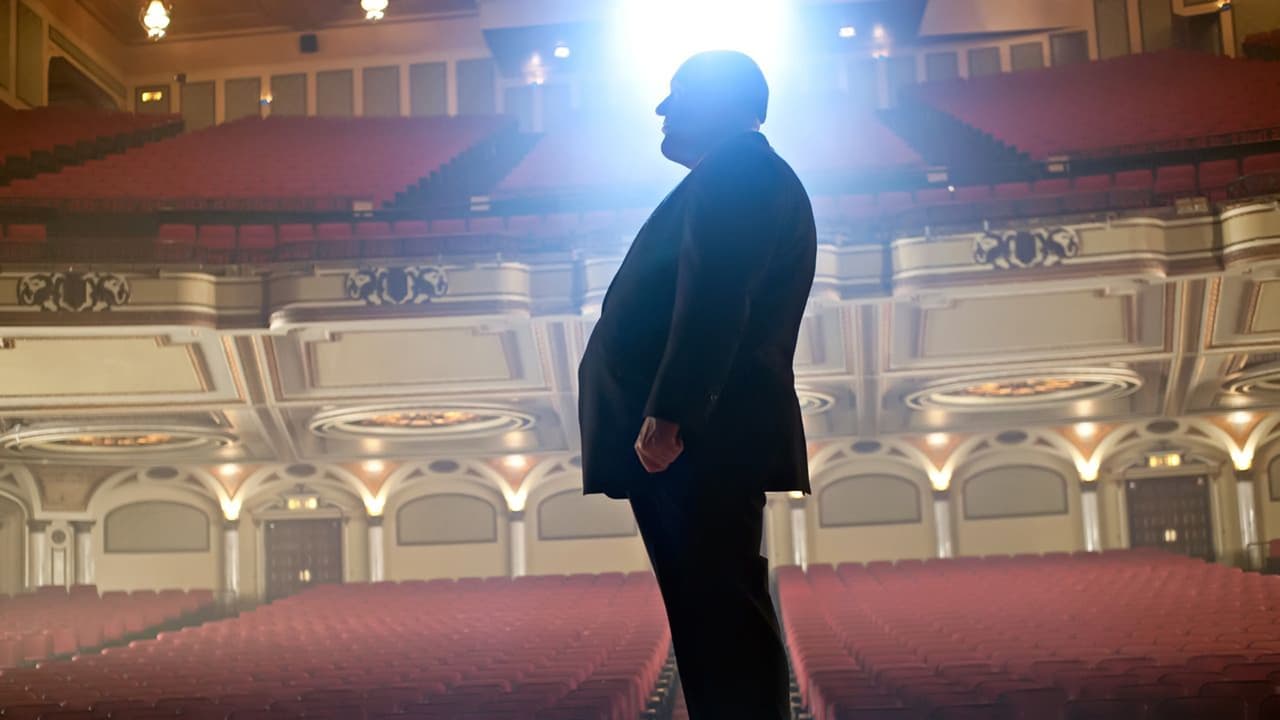
Alfred Hitchcock and his wife Alma discuss the financial risks of self-funding Psycho after Paramount rejects the project.

Start a free 7-day trial — 5 downloads a day, unlimited when Pro begins

Rehearse this scene
Rehearse on your terms

Choose your role and voices for the other characters. Run the scene at your own pace.

Scene PreviewExcerpt — subscribe to read full scene

ALMA

You’re back early.

ALMA

I'm disappointed you didn't give Whit’s book a chance.

ALFRED HITCHCOCK

What about him?

ALMA

He knows you well enough.

ALFRED HITCHCOCK

Enjoy the pool now. We might not have it for that much longer.

End of preview. Continue with Pro below.

7 days freeYour next rehearsal starts here

Found your next scene? Make it yours.

Start your free trial and read The Studio Says No in full, with access to 4,000+ monologues and scenes to explore next.

  • Read the full scene and explore the library
  • Download your script in a clean, printable format
  • Take it into rehearsal with the Script Reader
Casting Types
Get Feedback
Coming Soon

Want expert coaching on this scene?

Browse our curated list of acting coaches, dialect specialists, and more.

Find a Coach

Need representation?

Browse verified agents and casting directors in our directory.

Scene Notes & Audition Tips

5 sections
About This Scene

This intense duologue from the film *Hitchcock* features Alma and Alfred Hitchcock, caught in a pivotal moment of creative and financial risk. The scene unfolds as Alfred, defeated yet determined, reveals Paramount’s refusal to finance *Psycho*, forcing him and Alma to consider an audacious plan: self-funding the controversial project. It’s a compelling exploration of marriage, ambition, and the sacrifices inherent in pursuing artistic vision, set against the backdrop of their luxurious but suddenly vulnerable lifestyle.

Character Analysis

Alma, in her 50s, is presented as a strong, perceptive, and supportive partner, deeply familiar with her husband’s motivations and struggles. She is pragmatic, acutely aware of the financial implications of his decision, yet possesses an underlying understanding of his artistic drive. Alfred Hitchcock, in his 60s, is depicted as an Authority Figure, a Patriarch of cinema, but here he is also vulnerable, facing rejection and contemplating a massive gamble. His intensity and sophisticated demeanor mask a profound desire for creative freedom and a return to the experimental spirit of his early career.

Why This Works for Auditions

This scene offers exceptional opportunities for actors to showcase nuanced dramatic abilities, particularly in portraying characters aged 45-55. The dynamic between Alma and Alfred allows for a rich interplay of tension, trust, and shared history, making it perfect for demonstrating chemistry and sustained emotional arcs in a duologue. Its intense tone and exploration of high stakes – financial ruin versus artistic integrity – provide a powerful foundation for a memorable and impactful audition that highlights both gravitas and vulnerability.

Best Suited For

This duologue is ideally suited for actors seeking material that highlights mature, sophisticated character work with significant dramatic weight. It's an excellent choice for those confident in portraying roles with an air of authority, whether as a Matriarch or Patriarch figure, or simply characters capable of conveying deep internal struggle and determination. Given its contemporary period and intense tone, it would be particularly effective for agent-showcase auditions, self-tapes requiring depth, or for general practice in dramatic scene work.

Performance Tips

Focus on the subtext of their long-standing marriage; Alma’s understanding of Alfred goes beyond words, and his trust in her is palpable even in his cryptic delivery. For Alfred, lean into the internal conflict between his public persona of control and his private desperation for creative freedom, using subtle gestures and vocal shifts to convey the immense burden of his decision. For Alma, portray her grounded pragmatism with an undercurrent of deep loyalty and concern, allowing her initial shock and fear to evolve into a quiet, steadfast acceptance that underscores her unwavering support.

Explore this topic