Play
group
Comedy-Drama

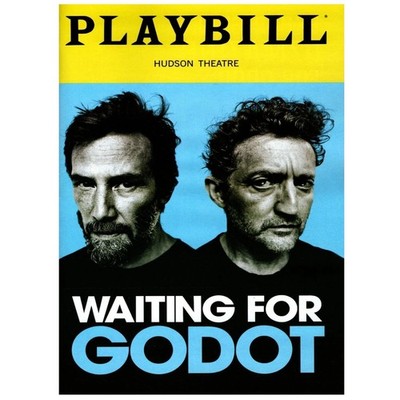
Waiting for Godot

from Waiting for Godot

Written by Samuel Beckett

Waiting for Godot from Waiting for Godot — audition scene

Act II. Vladimir and Estragon continue their endless wait for the mysterious Godot. Vladimir experiences a moment of profound existential crisis before being interrupted by a Boy who delivers a message that Godot will not be coming today.

Start a free 7-day trial — 5 downloads a day, unlimited when Pro begins

Rehearse this scene
Rehearse on your terms

Choose your role and voices for the other characters. Run the scene at your own pace.

Scene PreviewExcerpt — subscribe to read full scene

VLADIMIR

Was I sleeping, while the others suffered? Am I sleeping now? To-morrow, when I wake, or think I do, what shall I say of to-day? That with Estragon my friend, at this place, until the fall of night, I waited for Godot? That Pozzo passed, with his carrier, and that he spoke to us? Probably. But in all that what truth will there be?

End of preview. Continue with Pro below.

7 days freeYour next rehearsal starts here

Found your next scene? Make it yours.

Start your free trial and read Waiting for Godot in full, with access to 5,000+ monologues and scenes to explore next.

  • Read the full scene and explore the library
  • Download your script in a clean, printable format
  • Take it into rehearsal with the Script Reader
Casting Types
Get Feedback
Coming Soon

Want expert coaching on this scene?

Browse our curated list of acting coaches, dialect specialists, and more.

Find a Coach

Need representation?

Browse verified agents and casting directors in our directory.

Scene Notes & Audition Tips

5 sections
About This Scene

Taken from Act II of Samuel Beckett's modern-classic comedy-drama Waiting for Godot, this group scene captures the emotional climax of an endless vigil. Vladimir and Estragon remain trapped in their cyclical routine of waiting for the elusive Godot, leading Vladimir into a profound existential crisis. The sudden arrival of the Boy disrupts their dynamic with the familiar message that Godot will not be arriving today. This three-minute interaction balances philosophical weight with minimalist absurdist comedy.

Character Analysis

Vladimir serves as the contemplative anchor of the pair, wrestling with deep self-doubt, fading memory, and the dread of an unfulfilled life. Estragon offers a weary, enduring counterweight as his companion in isolation, grounding the exchange in mutual dependence. The Boy acts as an innocent, detached messenger whose simple announcements repeatedly shatter Vladimir's fragile hope. Together, these figures create a study of human endurance, exposing the raw vulnerability of everyday men searching for meaning.

Why This Works for Auditions

This scene provides an exceptional showcase for actors seeking to demonstrate emotional nuance within an absurdist text. It requires performers to navigate bleak existential dread alongside natural comedic timing, proving their ability to handle heightened modern-classic material. Directors and drama school panels will appreciate how effectively the piece highlights active listening, rhythm, and truthful multi-character interaction within a short three-minute timeframe.

Best Suited For

This material is exceptionally well suited for male performers in the 35 to 45 age bracket who fit everyman or character actor casting types. It serves as an ideal selection for drama school auditions, general practice, and dramatic competitions where judges look for mature textual command. Actors skilled in blending vulnerable emotional depth with dry, understated humor will find the text especially rewarding.

Performance Tips

Ground Vladimir's crisis in immediate, physical reality rather than floating away into abstract philosophical concepts. Let the arrival of the Boy completely shift the energy in the space, creating an authentic contrast between weary adult desperation and youthful detachment. Trust the stillness between thoughts, allowing the heavy silence of waiting to drive the pace rather than rushing through the dialogue to manufacture emotional intensity.

Explore this topic